Ukraine’s Endurance: A Deep Dive with LtCol. Tony Shaffer

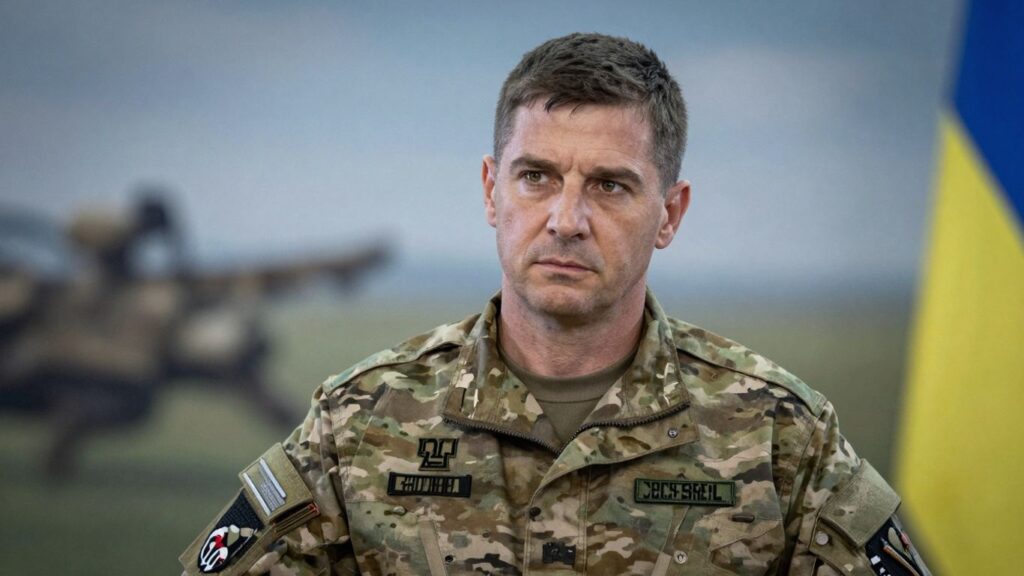
This discussion features LtCol. Tony Shaffer and Judge Andrew Napolitano examining the current situation in Ukraine and its potential duration. They also touch upon recent events involving the Secretary of Defense and the complexities of military operations and rules of engagement.
Key Takeaways
- The discussion touches on the complexities of military decision-making, rules of engagement, and the legal aspects of wartime actions.
- There’s a perspective that the "special military operation" in Ukraine was not an invasion but a targeted action concerning specific provinces.
- Concerns are raised about the current state of the Ukrainian military, including resource and manpower issues.
- The role of political figures and potential diplomatic efforts are also briefly discussed.
The Nuances of Military Operations and Rules of Engagement
Colonel Tony Shaffer and Judge Andrew Napolitano begin by discussing a recent event involving the Secretary of Defense. The conversation quickly moves to the ethical and legal considerations of military actions, particularly concerning civilian casualties. Shaffer draws parallels to his experiences detailed in his book, "Operation Darkheart," where a strike on a Madrasa resulted in civilian deaths. He expresses frustration with a tendency to act quickly without sufficient intelligence verification.
The discussion highlights the significant role of lawyers within the Pentagon, both military and civilian, in shaping operational decisions. Shaffer explains that while civilian leadership sets the overall direction, the military executes the operations. He clarifies that the narrative of a "double tap" order, implying immediate execution of survivors, is unlikely due to the established military processes.
When asked about the military’s ethos, Shaffer emphasizes that the individuals he has worked with prioritize caution regarding civilian lives, unlike terrorist groups. He points out that terrorist organizations do not adhere to the Geneva Conventions, while the military internally applies rules to protect civilians. He notes that summary executions, though potentially legal against non-signatories of the conventions, are generally not practiced within his experience.
Shaffer also addresses the concept of "stupid rules of engagement," referencing statements made by the Secretary of Defense. He argues that these statements reflect a desire to give soldiers more authority in combat situations to protect themselves and achieve objectives without fear of being second-guessed. He contrasts this with his first tour in Afghanistan, where rules of engagement were more straightforward, leading to fewer negative incidents.
Examining the Situation in Ukraine
The conversation then shifts to the conflict in Ukraine. President Putin’s remarks about not planning to go to war with Europe, but being prepared if Europe initiates it, are discussed. Shaffer believes these statements are often taken out of context. He argues that Putin’s "special military operation" was never intended as a full invasion of Ukraine but was focused on specific provinces.
He criticizes the European stance, calling it "insane" for pushing for a confrontation with Russia. Shaffer, drawing on his experience during the Cold War, states there’s no indication that Russia possesses the logistical capacity for a large-scale invasion of Europe. He suggests that Europe’s push for a "Minsk 3" agreement is a tactic to freeze the conflict, allowing time for Ukraine to rearm and for Zelenskyy to continue his presidency.
A significant point of contention is NATO. Shaffer notes that while Ukraine’s constitution mentions NATO membership, efforts are being made to ensure Ukraine cannot join the alliance. He expresses distrust in such assurances, particularly from figures like Jared Kushner.
The State of the Ukrainian Military
Shaffer paints a grim picture of the Ukrainian military’s current condition. He states that resources and material support from the United States are diminishing. He illustrates the manpower issue with an anecdote about a recent body exchange between Russia and Ukraine, where Ukraine presented 61 dead Russians while Russia presented a thousand dead Ukrainians. This stark difference highlights the severe losses Ukraine is reportedly suffering.
He mentions specific areas where Ukraine is not performing well, citing the fall of Pokrovsk and a situation where 2,000 Ukrainian soldiers are reportedly trapped. Shaffer believes Russia is not aiming for a collapse of Ukraine, as that would create instability requiring Russian intervention. Instead, he suggests Russia is engaged in a slow, steady attrition of the Ukrainian military, aiming to wear it down without causing the collapse of the Ukrainian government.
Political Maneuvering and Future Outlook
The discussion briefly touches on political figures like Marco Rubio and their roles in the ongoing situation. Shaffer interprets Rubio’s actions as a sign of frustration with European leaders and an attempt to work behind the scenes to encourage Ukraine to accept terms. He sees Steve Witkoff and Jared Kushner as leading the current diplomatic efforts, with Trump likely choosing individuals he believes have the best chance of success.
The conversation concludes with a look ahead to future discussions, including topics like Venezuela, and an appreciation for Shaffer’s insights on the complex geopolitical landscape.






Responses