The West’s Hubris: How Overconfidence After the Soviet Collapse Led to Decline


The fall of the Soviet Union in the early 1990s was widely seen in the West as a definitive victory for capitalism and liberal democracy. This perception, however, masked a growing internal weakness within the Western model, particularly in the United States, which had already begun a long-term decline in educational and industrial standards. This period of perceived triumph, fueled by hubris, led to an expansion of an already weakening system, a phenomenon that is now playing out on the world stage.
Key Takeaways
- The collapse of the Soviet Union was misinterpreted as a Western triumph, ignoring the simultaneous decline of the US.
- Western hubris led to the expansion of a hollow system, threatening Russia and ultimately leading to a reality check.
- Russia’s resilience stems from its cultural values and family systems, not just its leadership.
- The decline of religion and the rise of nihilism in the West are dangerous, irrational forces impacting global events.
The Illusion of Victory
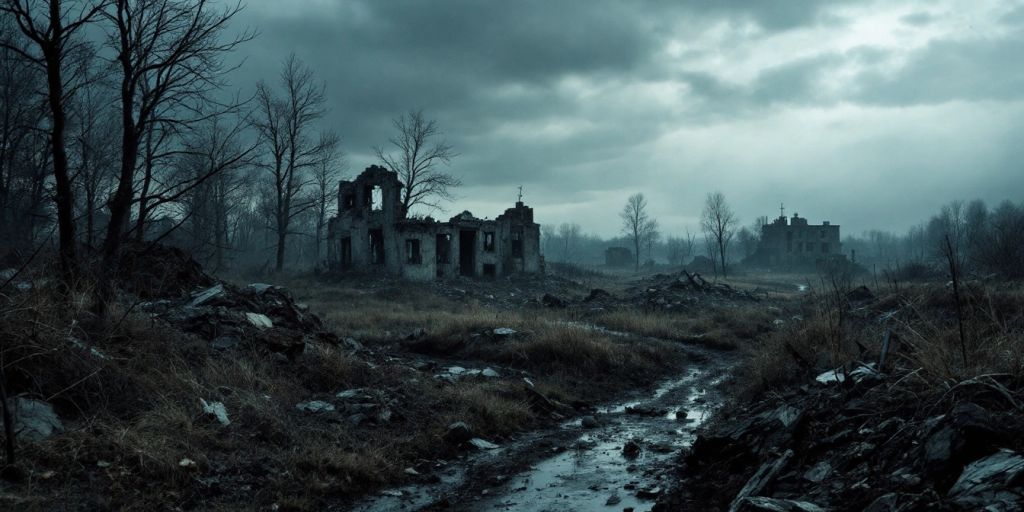
When the Soviet Union disintegrated, many in the West interpreted it as a clear win for their way of life. Capitalism and liberal democracy seemed to have triumphed over communism. But this view missed a critical point: the American system itself had started to weaken as early as the mid-1960s. Signs of decline were visible in education and industry, yet instead of addressing these issues, the West seemed to expand a system that was already hollow at its core.
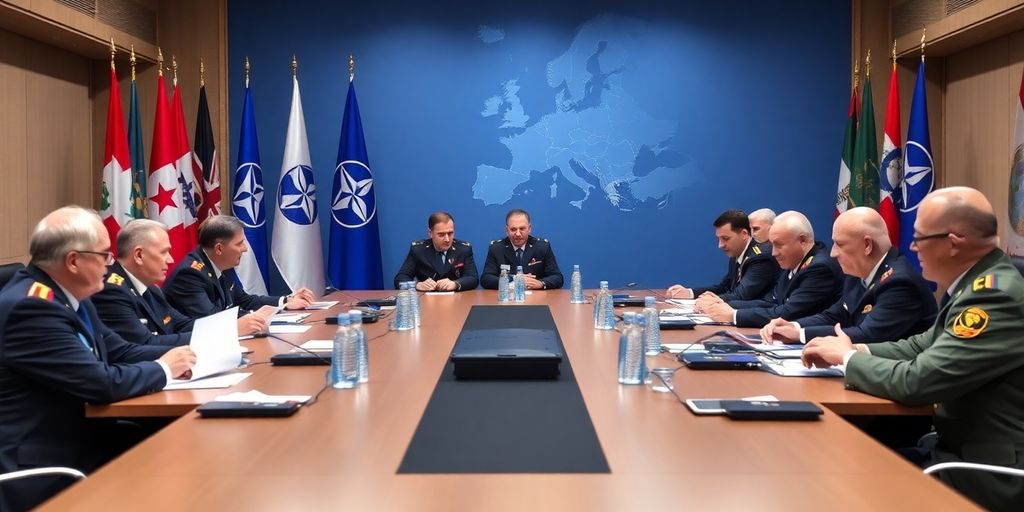
This expansion, especially with NATO moving into Eastern Europe and pressing against Russia, eventually met a limit. Russia, after a tough period, stabilized and asserted its sovereignty. The conflict in Ukraine has become a test of this new reality, revealing the significant weaknesses of the West.
A Reality Check in Ukraine
While the events in Ukraine are tragic, they serve as a stark indicator of the West’s current state. Despite Western optimism and pronouncements about the imminent collapse of the Russian government during the summer of 2023, a different reality was unfolding. The West’s focus on media narratives and superficial data obscured a deeper, structural decline.
My analysis, written during the so-called Ukrainian counter-offensive, concluded that the defeat of the West was certain. This wasn’t based on fleeting news cycles but on a solid understanding of the US’s declining industrial economy, falling educational standards, and a critical shortage of engineers. In contrast, Russia, despite a smaller population, was producing more engineers and qualified technical workers. This capacity to produce material goods is a core strength that the US currently lacks, making it unable to sustain a prolonged global conflict.
The Role of Family and Culture
Understanding societal strength goes beyond economics and military might. My work focuses on family systems, which I believe are the bedrock of social structures and mentalities. The Western world, particularly the Anglo-American sphere and France, is built on the nuclear family model. This structure, where children leave the family unit early, has historically allowed for great flexibility.
In contrast, other societies have different family structures. Germany’s stem family, with its emphasis on inheritance and authority, and Russia’s communitarian family, with its values of authority and equality, have shaped their respective cultures. The Russian communitarian family’s values, even after its disintegration, influenced the development of communism and left a lasting mark on Russian culture, contributing to its resilience.
This understanding of social anthropology suggests that leaders like Putin are products of Russian culture, rather than manipulators of it. The stability of Russian society, even after the hardships of the 1990s, is rooted in these deep cultural values.
The Decline of Religion and Rise of Nihilism
A new, critical variable in understanding societal decline is the role of religion. My research identifies three stages: active religion, where faith guides behavior; zombie religion, where religious values and morals persist after belief in God fades, often leading to ideological movements; and zero religion, where nothing remains – not belief, not morals, not the capacity for collective action.
We are now in the zero religion stage. This emptiness leads to a sense of meaninglessness and nihilism, a deification of nothingness that can drive a desire to destroy. While rational factors like economic power and geopolitical strategy are still at play, this dangerous irrational element, fueled by nihilism, is increasingly shaping global events. It’s a force that goes beyond simple competition for power, touching on something more akin to evil, making the current geopolitical landscape incredibly difficult to analyze.
The Exhaustion of the Anglo-American Model
Interestingly, the most effective period of Western capitalism coincided with the existence of the Soviet Union. The presence of communism, in a way, pushed capitalism to adopt social conscience and an active state, incorporating some socialist ideas. Once the Soviet Union collapsed and socialism was seen as a failed model, this dynamic ended. Capitalism lost a necessary counterbalance, and the West’s decline accelerated.
This echoes the ideas of thinkers who noted that liberal ideologies thrive when they have an opposing force. Without competition, they can begin to self-destruct. The current red flags in the West – demographic shifts, educational issues, family breakdown, loss of cultural coherence, secularism, and nihilism – all point to a system that has lost its way after a period of unchecked confidence.






Responses