The $34 Trillion Trap: How US Debt Is Reshaping Global Power

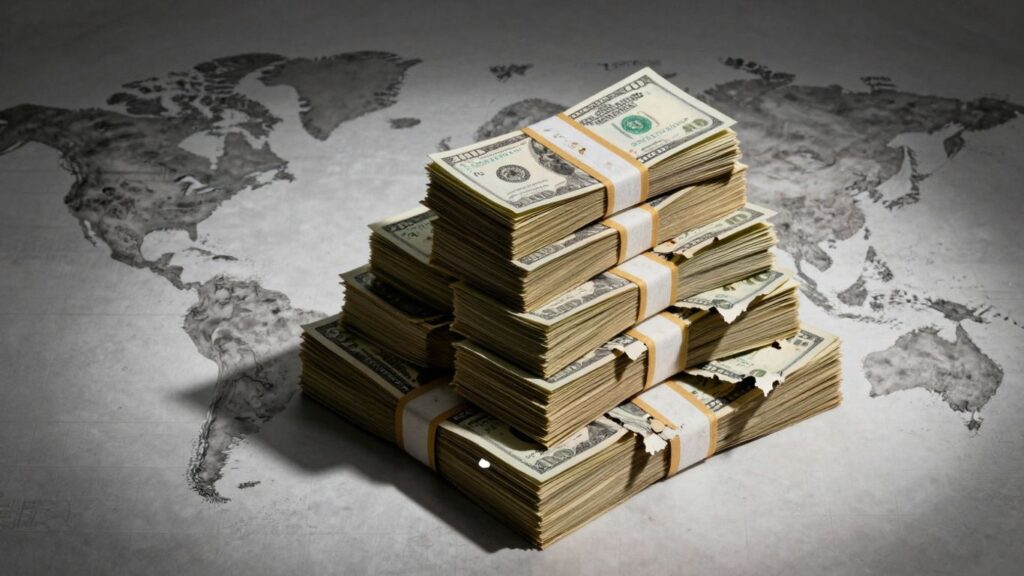
On the surface, it seems like business as usual in the world economy. Stock tickers blinking in New York, pundits on TV, everyone talking about market moves. But behind closed doors and far from the headlines, something big is shifting. The world’s financial system, as we’ve known it since 1945, is quietly being reworked. A $34 trillion debt mountain has caught up with America, and countries like China are quietly making moves that could change everything.
Key Takeaways
- US national debt has become a major risk, with interest payments now larger than defense spending.
- China and other countries are selling US debt and swapping those dollars for harder assets, like gold.
- New payment systems and alliances are growing outside of the US dollar’s control.
- The old system where the US was at the financial center is slowly dissolving.
How Did We Get Here?
For decades, the world relied on US dollars. In fact, it was less about choice and more about being forced to play along. After World War II, the US dollar became the global reserve currency. Most countries parked their savings in US Treasury bonds because everyone believed those bonds were totally safe.
Then came 2022. The US and Europe froze $300 billion of Russia’s central bank reserves. That broke a silent agreement—suddenly, central bank money wasn’t untouchable anymore. Other countries took notice. China, for example, realized that holding trillions in US Treasuries wasn’t just a safe investment; it was giving Washington a remote control to their economy.
Trust—the glue holding things together—started to fall apart.
Silent, Slow Exit: What’s Really Happening
You’d think countries like China would dump US debt all at once, like a bank panic. But that would actually hurt them too. Instead, they’re letting old bonds mature, not buying new ones, and quietly selling in smaller markets. They use middlemen, like proxies in Belgium, to not draw attention.
What’s more, they’re not just sitting on cash—they’re turning it into gold. China’s central bank has been the top global buyer of gold for a year and a half. It’s like they’re building a financial bunker, swapping paper promises for something no one can just print out of thin air.
| Year | China US Treasuries | China Gold Holdings |
|---|---|---|
| 2017 | $1.18 trillion | 1,843 tons |
| 2021 | $1.05 trillion | 2,014 tons |
| 2024* | $800 billion | 2,400+ tons |
*Numbers are illustrative and rough, based on public info and recent patterns.
The Big Debt Snowball
Here’s the wild part: This year, for the first time, the US paid more in interest on its debt than it spent funding the military. So now, the cost of past wars is eating into the money for any future ones.
Money has to come from somewhere. The usual buyers—China and Japan—aren’t showing up anymore at the Treasury bond auctions. If nobody outside wants to buy, the US has to buy its own debt, basically borrowing from itself. That’s when things start to spiral.
How US Debt Stacks Up
- Total US Debt (2024): $34 trillion
- Annual Interest Payments: Over $900 billion (now more than the Pentagon’s yearly budget)
- World’s Main Foreign Buyers: China and Japan (both have slowed or reversed buying)
- Who’s Buying Now? Mainly the US Federal Reserve
Breaking the Old Financial System
The dollar didn’t just make the US rich; it gave Washington enormous power. But that was built on two things: the world holding US dollars, and the US controlling the pipes money flows through (systems like SWIFT).
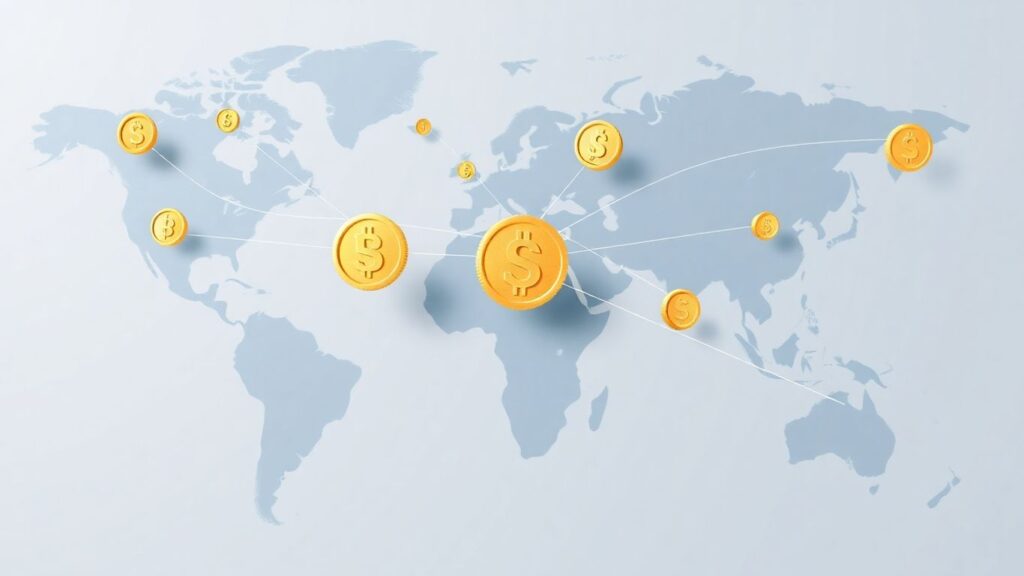
Now, new digital payment rails are giving countries a way to trade outside the dollar system. For instance, Project mBridge lets China, the UAE, and others trade using digital currencies, completely sidestepping New York and its banks.
These new systems let oil flow from the Middle East to Asia, paid for in local currency, not dollars. Each time that happens, it’s a little chip off the old system.
Sanctions, BRICS, and the New Bad Bank
Sanctions used to work. The US would say: "Don’t buy oil from Iran or Russia or you’ll be blacklisted." That scared companies and countries into compliance.
But alliances like BRICS (Brazil, Russia, India, China, South Africa) are turning into a “bad bank” for the global economy. They buy and recycle what the West won’t touch. Russian oil gets refined in India, then sold on. The US loses its economic weapon.
What’s Next? Is This The End of the Dollar?
The dollar won’t vanish overnight, but it is losing its unique role. The financial world is splitting in two—one side runs on dollars and Western systems, the other on an expanding mix of currencies and local payment networks.
While this might sound abstract, it’s the slow-motion end of the era where the US could borrow unlimited amounts and expect the world to finance it. The risk: if the dollar becomes just another currency, the US might suddenly have to live within its means. Politicians and pundits will keep talking, but the engineers and bankers are quietly building the future right now.
What Should You Watch For?
- Countries quietly trimming their Treasury holdings
- Growth of gold and commodity reserves in Asia
- New payment rails replacing SWIFT
- More sanctions failing to isolate countries
History moves fast… then all at once. The story isn’t over yet, but the map is changing while most people aren’t even looking.
(Charts and data are best estimates as of 2024—watch this space for updates as the story continues to unfold.)





Responses