Stop Playing Fair, Be Ruthless: Machiavelli’s Darkest Power Lessons


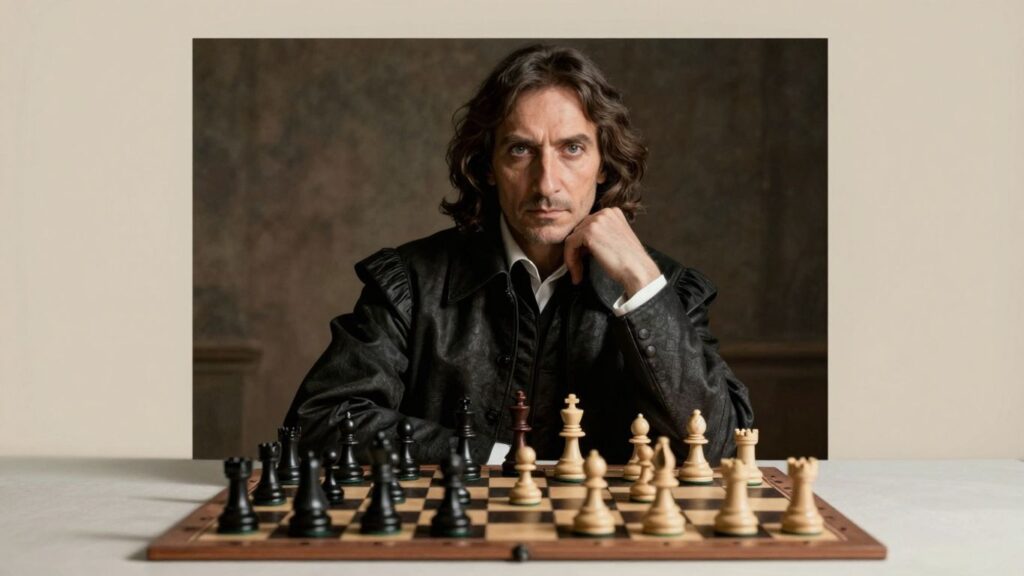
The world isn’t fair, and accepting that is the first step to not being its victim. You might see people with less talent or fewer skills getting ahead, simply because they understand the hidden psychology of human nature. You’ve been taught to play by one set of rules while others have long since rewritten the game. Niccolò Machiavelli figured this out centuries ago: good people often finish last, while strategic thinkers rule. This isn’t about being cruel; it’s about being smart and understanding that while you might be playing checkers with good intentions, others are playing chess with calculated moves.
Key Takeaways
- Fairness is a trap that keeps you weak and compliant.
- True ruthlessness is emotional discipline, not losing control.
- Psychological dominance is more valuable than being liked.
- Decisive action creates superiority; weak moves lead to being ignored.
- Perception management is reality control; your image is your power.
- Narrative control is psychological warfare; the story often matters more than facts.
- Systematic consequences build authority without emotional reactions.
- Silent dominance is the ultimate power; real influence doesn’t need to announce itself.
Fairness Is A Psychological Trap
Think about it: how many times have you given respect to someone who showed you none? Or helped someone who never returned the favor? Waiting for fair treatment often means someone else is already taking what you want. Machiavelli noted that people seek revenge for minor injuries, but for major ones, they can’t. This applies to psychological warfare too. When you give weak pushback to strong personalities or set soft boundaries, you don’t win; you create enemies who see you as an easy target. Psychological dominance means demonstrating that disrespecting you has immediate, significant consequences. It’s about creating situations where treating you well is in others’ best interest, and treating you poorly costs them something they value.
Ruthlessness Is Emotional Discipline
Many people mistake ruthlessness for losing control and lashing out. That’s wrong. True ruthlessness is about ice-cold emotional discipline. Instead of reacting emotionally, dominant individuals respond strategically. They don’t make decisions from hurt feelings; they assess logically. When someone publicly embarrasses you, the reactive person gets defensive. The disciplined person asks, "What response would be most damaging to this person while elevating mine?" Their response is chosen, not triggered. Machiavelli advised inflicting injuries all at once so they are less lasting. When responding to attacks, be decisive and final. Don’t get pulled into ongoing drama. Master your emotional responses; let others react while you strategically respond.
Psychological Dominance Trumps Likability
Being respected is far more valuable than being liked. When people merely like you, they might take advantage because they assume you’ll forgive them. When people respect your psychological strength, they think twice before crossing you. Likable people are predictable and easy to exploit. Psychologically dominant people are seen as dangerous and unpredictable, and are treated with caution. Machiavelli stated it’s safer to be feared than loved. This doesn’t mean being a tyrant, but being someone others know they cannot disrespect without facing real consequences. Instead of asking, "Will they like me if I do this?" ask, "Will this action increase or decrease my social power?"
Decisive Action Creates Psychological Superiority
Most people destroy their influence by making weak moves repeatedly. They give warnings they never follow through on, training others to ignore them. Psychologically dominant individuals give fewer warnings, but their actions are decisive and memorable. Machiavelli suggested that if an injury must be done, it should be so severe that revenge isn’t feared. In psychological terms, when you must demonstrate power, make it clear and final. Instead of constantly trying to convince people of your value, demonstrate it powerfully. Make fewer threats, but follow through completely when you act. Build a reputation for decisive action, not empty warnings.
Perception Management Is Reality Control
People’s perception of you matters more than objective reality. Most people naively assume their value will be recognized. But humans make snap judgments based on surface signals. If you don’t manage your image, someone else will, likely not in your favor. Machiavelli said, "Everyone sees what you appear to be. Few experience what you really are." Your image is your reality. Your reputation is your power. This means controlling your body language, voice tone, and social confidence. Project confidence even when uncertain, because confidence is contagious and uncertainty is repulsive. Your reputation is your most valuable asset.
Narrative Control Is Psychological Warfare
This is the ultimate power move: controlling not just what happens, but how it’s interpreted and remembered. Every situation can be framed in multiple ways. The person who controls the narrative controls the meaning. In psychology, the story often matters more than the facts. Machiavelli noted that people judge more from appearances than reality. Whoever controls the story controls what people believe. Frame your actions strategically. When you succeed, control the story of how you succeeded. When you fail, control the story of what you learned. When attacked, control the counter-narrative. Shape the story before others shape it for you.
Systematic Consequences Create Psychological Authority
The most sophisticated influence doesn’t rely on emotion but on creating predictable systems where certain behaviors automatically lead to certain outcomes. This removes your personality from the equation; people can’t argue with systems. Machiavelli advised relying on what’s in your control. Instead of arguing with people who waste your time, become unavailable. Instead of getting angry at those who take advantage, redirect your generosity. Create situations where treating you well benefits them, and treating you poorly costs them. This approach is self-maintaining. Let natural consequences teach people how to treat you.
Silent Dominance Is Ultimate Power
True psychological dominance operates in silence. People who constantly talk about their toughness or intelligence usually aren’t demonstrating it; they’re advertising what they wish they had. Real power doesn’t need to announce itself. Machiavelli said, "The lion cannot protect himself from traps, and the fox cannot defend himself from wolves." You need to be strategically intelligent and psychologically forceful, but transition seamlessly. Your competitors shouldn’t see your moves until it’s too late. Build your psychological empire quietly. Let others make noise while you make strategic moves. Demonstrate power through results, not announcements.
The choice is simple: master psychological influence or remain influenced and used by others. Learning these principles doesn’t make you bad; it makes you aware. Those who want to manipulate you want you to remain naive. Every day you delay implementing these lessons is another day someone more ruthless builds the influence and respect you desire. If you’re tired of being psychologically dominated, prove it. Like this video, share it, and subscribe. Remember your declaration: "I refuse to be psychologically dominated by others." Now stop refusing and start dominating.





Responses