Russia’s INF Treaty Exit: What It Means for Global Security

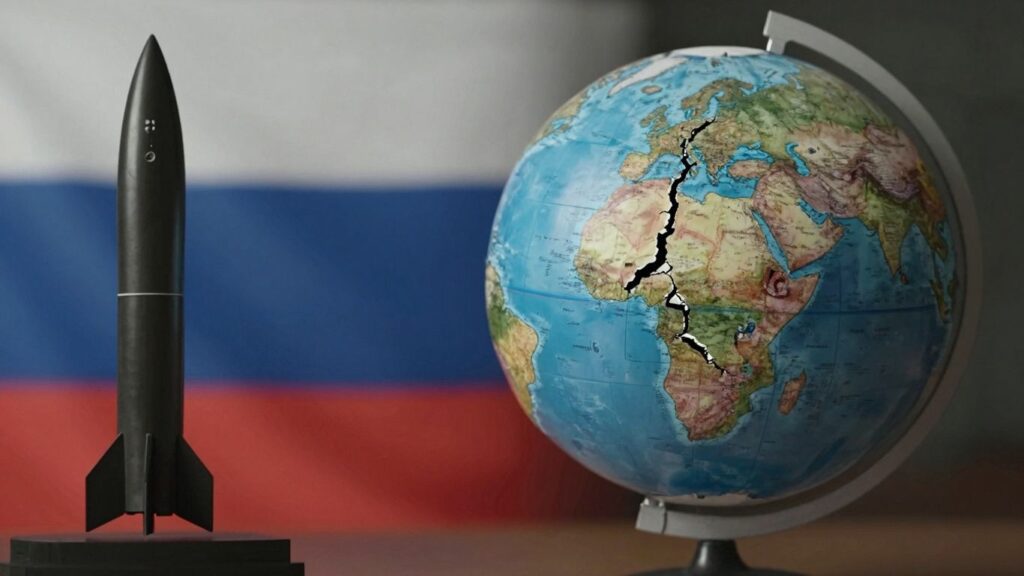
Russia has officially exited the Intermediate-Range Nuclear Forces (INF) treaty, a move that has significant implications for international security. This decision comes after the United States withdrew from the treaty in 2019. Russia claims it has been exercising restraint but is now responding to perceived threats from the U.S. and its allies, including plans to deploy American missiles in various regions. We spoke with Colonel Doug Macgregor to understand the ramifications of this development and the ongoing conflict in Ukraine.
Key Takeaways
- Russia’s withdrawal from the INF treaty is a response to U.S. and allied actions, including plans for missile deployment in Europe.
- The INF treaty, established in the 1970s/80s, successfully banned a category of dangerous intermediate-range nuclear missiles.
- While the New START treaty was extended, the collapse of the INF treaty raises concerns about a new arms race.
- There’s a perceived disconnect in Western thinking regarding the seriousness of nuclear war compared to Russia’s.
- The conflict in Ukraine is dire, with Ukrainian forces facing heavy casualties and potential collapse by winter.
- Economic sanctions are viewed by many as an act of war, and their effectiveness is debated.
- The U.S. and European Union face potential economic crises and declining global influence.
The INF Treaty: A History and Its Demise
The Intermediate-Range Nuclear Forces (INF) treaty was a landmark agreement, negotiated in the 1970s and early 80s, that aimed to eliminate a whole category of nuclear weapons. At the time, the Soviet Union had deployed intermediate-range nuclear-armed missiles that posed a direct threat to Western Europe. The U.S. responded with its own Pershing missiles, leading to a negotiation that banned these weapons entirely. This was a significant step towards reducing nuclear tensions and preventing Europe from being leveraged out of the NATO alliance.
However, the treaty’s foundation began to crumble when the U.S. withdrew in 2019, citing Russian violations. Russia, for its part, claims the U.S. and its allies have been actively planning to deploy similar missiles, thus justifying their own exit. Colonel Macgregor points out that while the New START treaty, which deals with strategic nuclear weapons, was extended until 2026, the loss of the INF treaty opens the door to a new and potentially more dangerous arms race. He notes that while arms control might seem like an illusion to some, these treaties have historically helped manage risks and save resources.
Escalating Tensions and Misperceptions
A major concern highlighted is the perceived difference in how the West and Russia view the threat of nuclear war. Colonel Macgregor suggests that some in the U.S. military and political circles seem to believe nuclear conflict is a game they can play with, while Russia takes the consequences very seriously. This difference in perception, he argues, is leading Russia to take defensive measures, such as moving weapons closer to its borders.
Furthermore, the deployment of tactical nuclear weapons to Great Britain and statements from U.S. officials regarding Russian territory are seen as provocative. The discussion touches upon the role of figures like Dmitri Medvedev, who often voices more aggressive public stances than President Putin, and how President Trump’s reactions, sometimes described as emotional, can escalate tensions. The importance of direct communication between heads of state, rather than engaging with lower-level officials, is stressed as a way to avoid misunderstandings.
The Dire Situation in Ukraine
The conversation then shifts to the ongoing conflict in Ukraine. Reports suggest that the Ukrainian military is suffering heavy daily casualties, with estimates of 300 dead and 750 injured per day, and around 500 troops deserting daily. There are warnings that Russian forces could be on the outskirts of Kyiv by winter if the situation doesn’t change. The effectiveness of Western military aid is questioned, with some analysts pointing out that promised equipment is not arriving or is insufficient.
Russia’s stepped-up aerial attacks, including a potential increase in drone strikes to over a thousand per day, further exacerbate the situation. The question is posed: is the risk of escalating to nuclear war worth continuing the conflict, or should efforts be focused on bringing it to an end? Colonel Macgregor expresses hope that cooler heads will prevail, urging a reconsideration of provocative actions and a focus on de-escalation.
Economic Woes and Shifting Alliances
Beyond the military aspects, the discussion touches upon the broader geopolitical and economic landscape. The effectiveness of economic sanctions as an act of war is debated, and there’s a growing sentiment that institutions like NATO and the European Union may have outlived their usefulness. Discontent within Europe regarding the EU’s overreach is noted, with a potential rise in nationalistic leaders.
Concerns are also raised about the U.S. economy, with warnings of a severe recession and the possibility that government rescue packages may not be available. The potential collapse of the Ukrainian army and a U.S. economic downturn could significantly alter global priorities, shifting focus inward. The rise of the BRICS nations and countries moving away from U.S. economic influence, like Japan buying oil from Russia, are seen as indicators of a changing world order.
A Call for Pragmatism
Ultimately, the conversation emphasizes the need for pragmatism and a clear-eyed assessment of U.S. national interests. Colonel Macgregor argues that the U.S. has no vital strategic interest in Ukraine and that continuing to fuel the conflict is counterproductive. He suggests that the U.S. should cease military aid, focus on humanitarian assistance, and withdraw all American citizens from Ukraine. This, he believes, would signal a shift in priorities and earn Russia’s serious consideration.
The discussion concludes with a somber reflection on the potential consequences of current policies, suggesting that a failure to de-escalate could lead to catastrophic outcomes. The hope is for a return to common sense and a focus on avoiding nuclear war at all costs, recognizing that the current path is not in the interest of the American people.





Responses