NATO’s Failed Strategy: Why the US Must End Support for the Ukraine War, According to Prof. Jeffrey Sachs

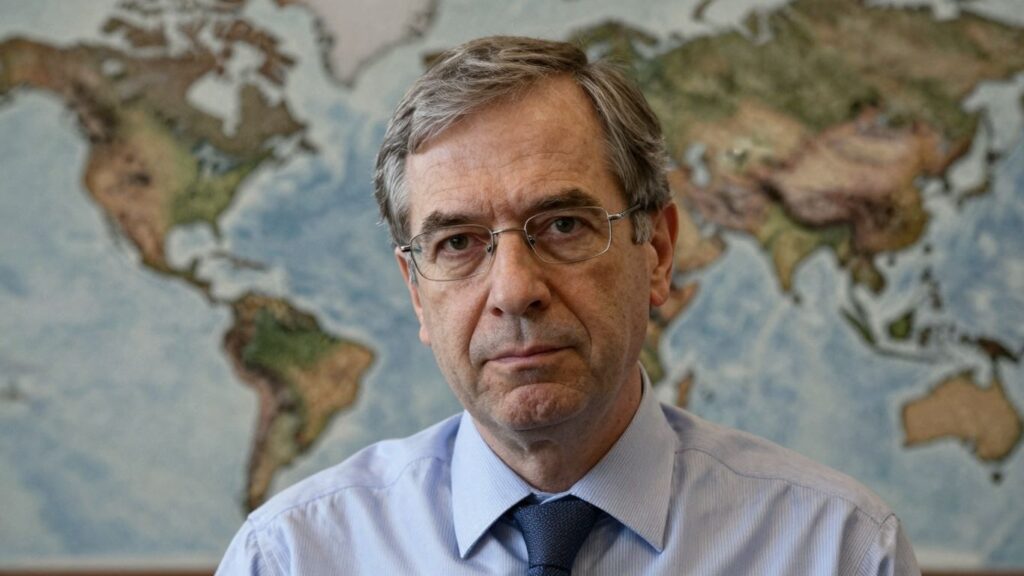
The ongoing conflict in Ukraine has been a subject of intense debate and concern for nearly a year. A central question revolves around whether the Trump administration will intervene to broker a peace deal, urging European and Ukrainian leaders to negotiate. This raises further questions about Russia’s trust in any agreement, given past experiences with the West.
Key Takeaways
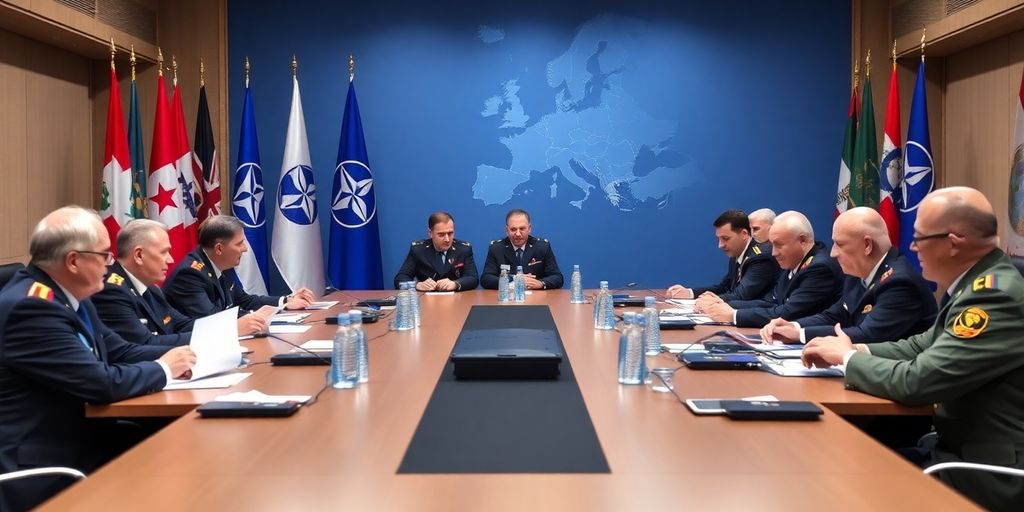
- The war in Ukraine was avoidable and fundamentally caused by NATO’s expansion towards Russia’s borders.
- The US and UK influenced Ukraine to reject a peace deal in April 2022, prolonging the conflict.
- Current peace proposals are more complex than those in 2022 due to battlefield changes.
- European leaders, despite low approval ratings, have largely supported continuing the war.
- Trump’s stance on the war has been inconsistent, influenced by various advisors.
- The West, not Russia, has a history of not upholding agreements like the Minsk Accords.
- Russia’s core motivation is perceived national security threats, not territorial conquest.
- US policy aimed to expand NATO into Ukraine, expecting Russia to concede, which failed.
- The US strategy has inadvertently strengthened Russia’s ties with China.
The Roots of the Conflict
Professor Jeffrey Sachs, an economist and professor at Columbia University, argues that the war in Ukraine was entirely preventable. He points to the US determination to expand NATO to Ukraine, despite Russia’s strong objections, as the primary cause. This, he explains, created a proxy war between the US and Russia on Ukrainian soil. Sachs draws a parallel to how the US would react if Russia placed military alliances near its borders.
He also highlights the US involvement in Ukraine’s 2014 regime change, calling it an illegal operation. Furthermore, he notes that President Putin had presented security proposals before the 2022 escalation that could have de-escalated the situation, but the Biden administration refused to negotiate.
A Missed Opportunity for Peace
Sachs reveals that a peace deal was nearly finalized in April 2022, shortly after Russia’s escalation. Ukraine had agreed to neutrality, a key Russian demand. However, the United States and the UK reportedly intervened, encouraging Ukraine to continue fighting and reject the neutrality agreement. Sachs suggests this decision may have led to a million additional deaths.
Current Peace Proposals and European Stance
The proposals on the table now are seen as more challenging than those in 2022, partly because Russia has made territorial gains. The core issues seem to involve NATO’s non-expansion into Ukraine and the US de facto recognition of Russian-controlled territories. Sachs finds the European response, particularly their insistence on Ukraine’s right to join NATO, counterproductive and likely to prolong the war.
He criticizes European leaders like Macron and Scholz, citing their low approval ratings and suggesting their pro-war stance might be politically convenient, as Ukrainians are fighting and dying, and the US is largely funding the effort.
Trump’s Role and the Inconsistency of US Policy
Professor Sachs describes Donald Trump as a vacillating figure whose policy decisions are often influenced by his advisors. He notes that while some advisors advocate for ending the war, others, like certain neoconservatives, push for continued escalation. This internal conflict leads to an inconsistent approach, with Trump sometimes signaling a desire for peace and other times adopting a harder line.
Sachs believes that if Trump were to take a firm and realistic stance, telling both Europeans and Ukraine that the war is lost and should end, the conflict would likely cease. He argues that the US has the power to end the war by withdrawing support, which would leave Europe unable to sustain it alone.
The West’s History of Broken Promises
When discussing the possibility of a ceasefire, concerns arise about a repeat of the Minsk Accords. Sachs points out that it’s often the West, not Russia, that has failed to uphold agreements. He cites the Minsk agreement of 2015, which aimed to end the war by granting autonomy to the Donbas region. Despite being supported by the UN Security Council and even German Chancellor Merkel, the US and the post-coup Ukrainian government allegedly refused to implement it.
Sachs suggests that if a new agreement is reached, it must be explicit about NATO’s non-expansion and Ukraine’s permanent neutrality. He believes that overt violations of such an agreement would be unlikely to serve any US politician’s interest, as it would clearly restart a failed conflict.
Russia’s Position and the Multipolar World
Sachs dismisses the idea that Russia seeks to conquer all of Ukraine or invade other European countries. He asserts that Russia’s primary motivation is to address perceived national security threats stemming from US actions, particularly the 2014 coup and NATO expansion. He notes that Russia’s alliance with China is a strategic partnership driven by mutual economic needs, not just convenience.
This growing cooperation between Russia, China, and other nations signifies a shift towards multipolarity, challenging the US’s unipolar dominance. Sachs believes Russia does not want war but will not be bullied. He suggests that a president like Trump, who is less ideologically driven and open to normal economic relations with Russia, could be instrumental in ending the war.
The Future of the Conflict
Professor Sachs concludes that the war is a "useless war" that should have never happened. He emphasizes that if the US withdraws its support, Europe cannot sustain the conflict, and Ukraine cannot survive independently. This would inevitably lead to the war’s end. He expresses hope that a realistic approach will prevail, preventing further loss of life and resources.






Responses