 Member
 People & Media
MemberForum Replies Created
-
 Business · Investing
Energy as Geopolitical Weapon: How Central Banks Are Navigating the 2026 Global Shock
In the turbulent landscape of global finance, 2026 has emerged as a pivotal year where energy has transformed from a mere commodity to a strategic instrument of power. The intricate dance between geopolitical tensions, energy markets, and monetary policy has reached a critical juncture, reshaping how central banks around the world perceive risk, manage reserves, and navigate an increasingly fragmented global economic system.
Key Takeaways- → Central banks globally now view geopolitical tensions as the top global risk, replacing previous concerns about trade protectionism
- → Gold has overtaken U.S. Treasuries in central bank reserves for the first time since the 1990s, signaling a structural shift in global monetary strategy
- → The U.S. dollar’s dominance is being increasingly questioned, with nearly 70% of central banks ranking geopolitics as their top risk
- → The Strait of Hormuz disruption has highlighted how energy can be weaponized, with potential global supply impacts exceeding 10 million barrels per day
- → Emerging trends indicate a potential long-term restructuring of global monetary reserves away from traditional dollar-denominated assets
-
Key Takeaways
- Estimated net worth of $5–$12 million as of 2026
- Four-time World’s Strongest Man (2011, 2013, 2015, 2016) — one of only five men ever to achieve four titles
- Founder and owner of the Shaw Classic strongman competition (since 2020)
- Three-time Arnold Strongman Classic winner
- 1.7M+ YouTube subscribers (Shaw Strength); long-term Rogue Fitness partnership
- Retired from competition after 2023 Shaw Classic; now focused on event and media business
Brian Shaw — recently retired American professional strongman, four-time World’s Strongest Man champion (2011, 2013, 2015, 2016), three-time Arnold Strongman Classic winner, founder of Shaw Strength (his YouTube media business with 1.7M+ subscribers), and creator of the Shaw Classic strongman competition — has built one of the largest strongman-athlete businesses ever assembled. Combining sponsorship deals, the Shaw Strength YouTube channel and merchandise business, prize money across more than 15 years of elite competition, equity in his Shaw Classic event, supplement and gear partnerships, and a long-running gym/training operation in Colorado, Brian Shaw’s net worth is estimated at $5 million to $12 million as of 2026.
Shaw is one of only five men in history to win World’s Strongest Man four or more times, putting him in a category with the all-time greats of the sport — Mariusz Pudzianowski (5 wins), Jón Páll Sigmarsson (4), Magnús Ver Magnússon (4), and Žydrūnas Savickas (4). The combination of competitive dominance, on-camera presence, and a deliberate post-competition transition into media has produced one of the wealthiest careers in a sport that historically did not generate elite-tier athlete wealth.
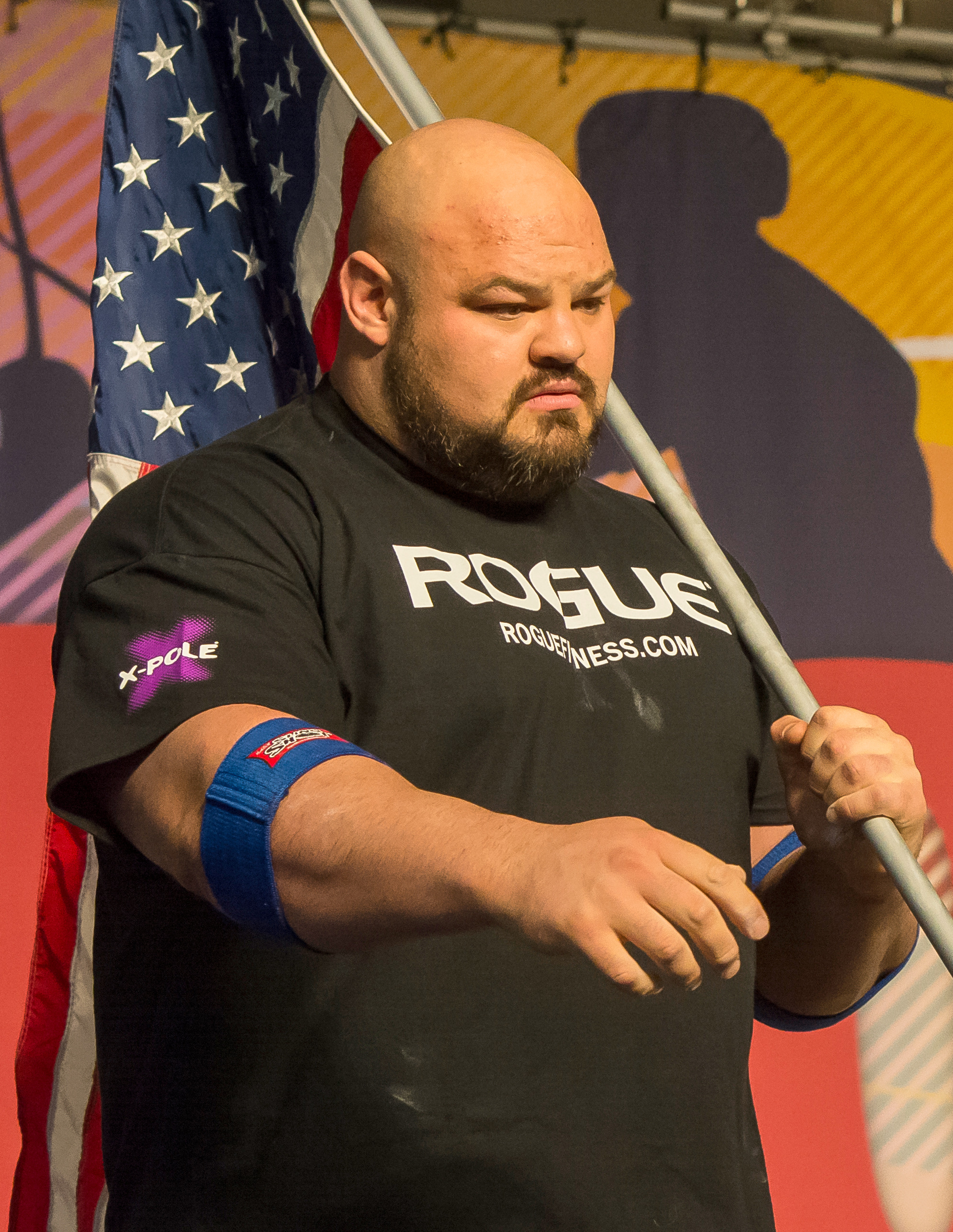
Brian Shaw at Arnold Classic 2017 (Wikimedia Commons) Net worth at a glance
Metric Estimate Estimated net worth (2026) $5M – $12M World’s Strongest Man titles 4 (2011, 2013, 2015, 2016) Arnold Strongman Classic titles 3 Shaw Classic founder/owner Yes (annual event since 2020) YouTube subscribers 1.7M+ (Shaw Strength) Status Retired from competition (after 2023 Shaw Classic) Height / weight (peak) 6’8″ / 440 lbs (200 kg) Hometown Colorado (raised in California) Education BA Wellness Education, Black Hills State University Note: this article is independent editorial research. We are not affiliated with Brian Shaw, Shaw Strength, or the Shaw Classic. Net worth ranges are best-effort estimates derived from publicly available competitive earnings, sponsorship signals, and reasonable equity-stake assumptions; only Brian and his accountant know the exact figure.
How Brian Shaw built his net worth
Shaw’s wealth is the product of three interlocking business lines built on top of his competitive dominance — sponsorships, media, and event ownership. The arc has four phases.
Phase 1: Amateur and early professional career (2005–2010)
Born in Fort Lupton, Colorado in February 1982, Shaw played competitive basketball through high school and college (at Black Hills State University in South Dakota, where he earned a BA in Wellness Education). His transition into strongman competition came in his early twenties, after he discovered the sport through online videos and gym training. He turned professional in 2007 and qualified for his first World’s Strongest Man competition in 2008.
Phase 2: World’s Strongest Man dominance (2011–2016)
Shaw’s first WSM title came in 2011, at age 29. Over the next six years, he won the title three more times (2013, 2015, 2016) and finished in the top three nearly every other year — one of the most sustained periods of dominance in WSM history. The four titles place him in a tie with Žydrūnas Savickas, Magnús Ver Magnússon, and Jón Páll Sigmarsson for second-most titles ever, behind only Mariusz Pudzianowski’s five.
WSM prize money for the winner has historically been in the $50K-$80K range plus secondary prize tiers and bonus payments — modest by mainstream professional sports standards but meaningful in absolute terms across multiple years of consistent top finishes.
Phase 3: Sponsorships and YouTube (2014–present)
As his competitive profile scaled, Shaw built sponsorship relationships with major sports nutrition and equipment brands including Rogue Fitness, MuscleTech (later other supplement brands), and various strongman-equipment manufacturers. The Rogue Fitness relationship in particular has been long-running and high-profile, with Shaw featured in product launches, equipment reviews, and brand campaigns.
The Shaw Strength YouTube channel scaled significantly during the 2017-2022 period. Shaw uploaded long-form training videos, “What I Eat in a Day” content (a popular format given his historical 8,000-12,000 calorie daily intake), gym tour content, and behind-the-scenes documentaries from competitions. By 2024-2026, the channel passed 1.7 million subscribers with hundreds of millions of cumulative views.
Phase 4: Shaw Classic and retirement (2020–present)
In 2020, Shaw founded the Shaw Classic — his own annual strongman competition held in Loveland, Colorado. The event has grown into one of the most prestigious in the sport, drawing top international competitors and substantial live and broadcast viewership. As founder, owner, and promoter, Shaw retains the equity value of the event independent of his own competitive earnings.
He competed in his own event for several years and won it twice (2021, 2022) before retiring from active competition after the 2023 Shaw Classic. Like Bumstead, retirement allows him to focus on the media business, the event, and his family without the brutal training cycle.
Career timeline
Year Milestone 1982 (Feb) Born in Fort Lupton, Colorado ~2005 Graduates Black Hills State University, BA Wellness Education 2007 Turns professional in strongman 2008 First World’s Strongest Man competition appearance 2011 Wins 1st WSM title; first man to win WSM and Arnold Strongman Classic in same year 2013 Wins 2nd WSM title 2015 Wins 3rd WSM title 2016 Wins 4th WSM title ~2017 Shaw Strength YouTube channel begins consistent uploads 2020 Founds the Shaw Classic competition in Loveland, Colorado 2021 Wins 1st Shaw Classic 2022 Wins 2nd Shaw Classic 2023 Retires from competition after 2023 Shaw Classic 2024–2026 Continues Shaw Classic event, YouTube channel, and brand partnerships Net worth estimate breakdown
Sponsorships and brand partnerships
Long-term sponsorships with Rogue Fitness, supplement brands, and strongman-equipment manufacturers across roughly 15 years of his career plausibly generated $400K-$1M annually at peak earning years, declining somewhat post-retirement. Cumulative lifetime sponsorship income is plausibly $5M-$10M.
YouTube ad revenue and merchandise
1.7M+ YouTube subscribers in the fitness niche generates plausibly $200K-$600K per year in direct ad revenue, plus merchandise revenue from the Shaw Strength apparel and gear line. Cumulative income from the YouTube and merchandise business is plausibly $1.5M-$4M.
Shaw Classic equity
The Shaw Classic event is a privately held business owned by Shaw. Major strongman events at this scale generate revenue from athlete entry fees, broadcast rights, sponsorship packages, ticket sales, and merchandise. Annual gross revenue is plausibly $1M-$3M, and the enterprise value of the event itself adds meaningful asset value to Shaw’s personal balance sheet — plausibly $2M-$6M depending on revenue multiples.
Mr. Olympia and competition prize money
Cumulative competition prize money across WSM, Arnold Strongman Classic, Shaw Classic, and various Strongman Super Series and Giants Live events is plausibly $1M-$2M lifetime — meaningful but small relative to sponsorships and media.
Real estate and personal assets
Shaw lives in Colorado on a property that includes his personal training gym (often featured in his YouTube content). Real estate equity plausibly $1.5M-$3M.
Investments and savings
After 15+ years of professional income with relatively modest lifestyle inflation (Colorado is meaningfully cheaper than coastal markets), accumulated investments plausibly $1M-$3M.
Adding the buckets and applying realistic discounts for taxes paid, training/staff costs, and event production costs produces the $5M-$12M range.
Common misconceptions
“Strongmen don’t make any money”
This was largely true until roughly 2010-2015, when YouTube and direct-to-consumer sponsorships transformed athlete economics. Pre-internet strongmen like Bill Kazmaier and Jón Páll Sigmarsson were cultural icons but accumulated relatively modest financial outcomes. Modern strongmen who have built media businesses (Shaw, Eddie Hall, Hafþór Björnsson) have produced wealth that matches or exceeds many mainstream pro athletes in lower-revenue sports.
“He must be worth $30 million”
Some celebrity-net-worth aggregator sites quote Shaw at figures north of $20M-$30M. While the Shaw Classic event has real enterprise value, the aggregate of his businesses is more realistically in the $5M-$12M range. Strongman is still a niche sport relative to mainstream athletics, and the multipliers don’t reach the levels that hit creators like Joe Rogan or even bodybuilders like Bumstead.
“He just lifts heavy things”
The competitive side is one piece. The post-2017 expansion into the YouTube channel, merchandise line, and Shaw Classic event business reflects a deliberate transition from “athlete” to “athlete-entrepreneur” that has been the source of the bulk of his recent income.
“His weight is unhealthy and unsustainable”
At competitive peak, Shaw was 6’8″ and roughly 440 lbs. He has been open about the strain that competitive bodyweight placed on his body and has reduced his weight significantly in retirement. The post-retirement weight loss is one of the more visible storylines on his current YouTube content.
Comparison to other strongmen and strength athletes
Athlete Estimated Net Worth Profile Brian Shaw $5M – $12M 4x WSM, Shaw Classic, YouTube business Eddie Hall $5M – $15M 2017 WSM, Game of Thrones, professional boxing Hafþór Björnsson $10M – $25M 2018 WSM, The Mountain (GoT), professional boxing, supplements Žydrūnas Savickas $3M – $8M 4x WSM, longevity in sport, less media presence Mariusz Pudzianowski $3M – $8M 5x WSM, Polish MMA career Larry Wheels $3M – $8M Powerlifting/bodybuilding, YouTube Shaw sits comfortably within the upper tier of modern strength athletes financially. His positioning is most directly comparable to Eddie Hall and Hafþór Björnsson — all three combined competitive dominance with deliberate media businesses. Hafþór’s Game of Thrones role added a meaningful one-time boost that Shaw did not have access to.
Related Profiles
Profiles in the same space — fitness & strength — that readers of this page often explore next:
Frequently asked questions
What is Brian Shaw’s net worth in 2026?
Combining sponsorships, the Shaw Strength YouTube channel, the Shaw Classic event business, prize money, and real estate, Brian Shaw’s net worth is estimated at $5 million to $12 million.
How many World’s Strongest Man titles did Brian Shaw win?
Four — in 2011, 2013, 2015, and 2016. He is one of only five men in the history of the competition to win four or more titles.
Has Brian Shaw retired from strongman?
Yes. He retired from competitive strongman after the 2023 Shaw Classic, his own annual event in Loveland, Colorado.
What is the Shaw Classic?
The Shaw Classic is the annual strongman competition Shaw founded in 2020. Held in Loveland, Colorado, it has grown into one of the most prestigious strongman events in the world and is owned and promoted by Shaw himself.
How tall is Brian Shaw?
6 feet 8 inches (203 cm). At competitive peak he weighed approximately 440 lbs (200 kg).
Where does Brian Shaw live?
Colorado, on a property that includes his personal training gym, which is regularly featured on his YouTube channel.
Did Brian Shaw go to college?
Yes. He earned a BA in Wellness Education from Black Hills State University in South Dakota, where he played college basketball before transitioning to strongman.
How much money does the Shaw Strength YouTube channel make?
The channel has 1.7M+ subscribers and hundreds of millions of cumulative views. Estimated direct ad revenue is in the $200K-$600K per year range, plus additional revenue from sponsored integrations and merchandise sales linked to the channel.
How long was Brian Shaw at the top of strongman?
From his first WSM title in 2011 through the end of his competitive career in 2023 — roughly 12 years of consistently elite-tier finishes, with four world titles and many additional podium placings.
Is Brian Shaw involved in any other businesses?
Beyond the Shaw Classic, the Shaw Strength YouTube channel and merchandise line, and his sponsorship portfolio, Shaw has been involved in various strongman-related ventures including coaching, training resources, and strongman-equipment partnerships.
Did Brian Shaw ever lose World’s Strongest Man titles?
Yes — between his four wins he placed second or third in several other years. The four-title window (2011, 2013, 2015, 2016) included losses to Žydrūnas Savickas (2014) and Eddie Hall (2017, the breakthrough year for Hall). Sustained top-three finishes across roughly a decade is the more impressive sustained performance signal than the four titles alone.
How much did Brian Shaw eat at competition weight?
He has been open about consuming roughly 8,000-12,000 calories per day during his peak competitive period — typically structured around 6-8 large meals featuring high-protein staples like steaks, chicken, eggs, and rice, plus liquid calorie sources to hit total intake targets. His “What I Eat in a Day” videos became one of the most-watched formats on his YouTube channel.
Has Brian Shaw fought in MMA or boxing?
Unlike Eddie Hall and Hafþór Björnsson, Shaw has not transitioned into combat sports. His post-competition career has been focused on the Shaw Classic event business and the Shaw Strength media platform rather than crossing into boxing or MMA.
Is Brian Shaw married?
Yes. He is married to Keri Shaw and they have multiple children together. The Shaw family is regularly featured on his YouTube channel, and Keri has been a frequent on-camera presence in vlog and family-focused content.
What is Brian Shaw’s training partner network?
He has historically trained with various other elite strongmen and strength athletes both in person and through online relationships. His Loveland gym has been a regular training stop for visiting athletes from around the world, particularly during the build-up to major competitions like the Arnold Strongman Classic and the Shaw Classic.
Sources & references
- Wikipedia — Brian Shaw (strongman)
- World’s Strongest Man — official competition results, 2008-2017
- Shaw Classic — official event website
- Shaw Strength YouTube — YouTube channel
- Rogue Fitness — Brian Shaw athlete partnership archive
- Arnold Strongman Classic — official competition results
Last updated: April 2026. Net worth estimates are based on publicly available competitive earnings, sponsorship signals, and reasonable equity-stake assumptions for the Shaw Classic event business. Figures will be revised when new disclosures occur.
-
ECONOMICS | ACADEMIC | NET WORTH
Burton Malkiel is one of the most influential economists of the past 50 years — Princeton’s Chemical Bank Chairman’s Professor of Economics, the author of the classic finance book A Random Walk Down Wall Street (1973), a former member of the Council of Economic Advisers, a former dean of the Yale School of Management, and a director of the Vanguard Group for 28 years. He is currently the Chief Investment Officer of Wealthfront Inc., the software-based financial advisor. As of 2026, Burton Malkiel’s estimated net worth is approximately $15 million to $40 million, derived from decades of academic compensation, his bestselling book royalties, board fees including his Vanguard director role, his Wealthfront CIO position, and his personal investment portfolio.
His career stands as one of the cleanest examples of how a credentialed academic economist can produce both lasting public-good influence (popularizing index investing for millions of retail investors) and meaningful personal wealth.
Key Takeaways
- Burton Malkiel’s 2026 estimated net worth is approximately $15-40 million.
- His book A Random Walk Down Wall Street (1973) has been continuously in print for over 50 years.
- He is Princeton’s Chemical Bank Chairman’s Professor of Economics.
- He served as a director of the Vanguard Group for 28 years.
- He is currently Chief Investment Officer of Wealthfront Inc.
- He served on the Council of Economic Advisers (1975-1977) and as dean of the Yale School of Management (1981-1988).
Who Is Burton Malkiel?
Burton Gordon Malkiel was born on August 28, 1932, in Boston, Massachusetts, making him 93 years old as of 2026. He is an American economist, financial executive, author, and academic. He earned his Bachelor of Arts and MBA from Harvard University and his Ph.D. in Economics from Princeton University — the institution where he has spent most of his academic career.
What distinguishes Malkiel from many academic economists is his extensive practical experience translating academic theory into commercial financial products and policy recommendations. While many Princeton economists work primarily in academic journals, Malkiel has spent his career bridging the gap between academic financial theory and the products and tools used by ordinary investors — most notably through his 28-year role as a Vanguard director and his current role at Wealthfront.
Career and Rise to Fame
Malkiel began his academic career at Princeton, where he became the Chemical Bank Chairman’s Professor of Economics and served as two-time chairman of the economics department. He has been on the Princeton economics faculty for over 60 years — one of the longest tenures in the department’s history.
His career-defining work came in 1973 with the publication of A Random Walk Down Wall Street: The Time-Tested Strategy for Successful Investing. The book made an accessible case for the efficient-market hypothesis and argued that ordinary investors are best served by buying and holding low-cost index funds rather than trying to pick individual stocks or time the market. The book has been continuously in print for over 50 years, has gone through more than a dozen editions, and is widely considered one of the most important investing books ever written. Its arguments helped lay the intellectual foundation for the modern indexing revolution.
His broader career has spanned multiple high-profile public and private roles:
- Council of Economic Advisers (1975-1977) — He served as a member of the President’s Council of Economic Advisers under Gerald Ford.
- American Finance Association (1978) — He served as president of the American Finance Association.
- Yale School of Management (1981-1988) — He served as dean of the Yale SOM during the formative years of the school.
- Vanguard Group (1977-2005) — He served as a director of Vanguard for 28 years, helping to shape the firm during its transformative growth into the world’s largest index-fund provider.
- Wealthfront Inc. — He currently serves as Chief Investment Officer of Wealthfront, the software-based financial advisor that applies index-fund principles to automated portfolio management.
- Rebalance Investment Advisory Board — He serves as a member of the investment advisory board for Rebalance.
He was elected to the American Philosophical Society in 2001, recognizing his broader contributions to economic and financial scholarship.
How Burton Malkiel Makes Money
Malkiel’s wealth flows from multiple layered streams accumulated over more than 60 years of academic and financial-industry work: Princeton academic compensation, book royalties, Vanguard board fees, Wealthfront compensation, speaking fees, and his personal investment portfolio.
Princeton Academic Compensation
Chemical Bank Chairman’s Professor compensation at Princeton, combined with his department-chairman roles and his decades of academic seniority, has produced substantial cumulative academic compensation. Princeton senior faculty at his level typically reach high six-figure annual compensation, multiplied across decades of tenure.
Book Royalties
A Random Walk Down Wall Street has sold continuously since 1973 — over 50 years of royalty income. With more than a dozen editions and continuing strong backlist sales, the book remains one of the bestselling investing books in print. Cumulative royalties across this period have produced substantial multi-million-dollar income.
Vanguard Director Compensation
Malkiel’s 28 years as a Vanguard director (1977-2005) generated meaningful board compensation across what was Vanguard’s transformative growth period. Mutual fund company director compensation typically includes both cash retainers and equity-style components.
Wealthfront Compensation and Equity
His current role as Chief Investment Officer of Wealthfront includes both ongoing compensation and equity-based exposure to the company’s growth. Wealthfront has grown into one of the largest robo-advisors in the United States, and his early founder-aligned equity has likely appreciated significantly.
Speaking and Honoraria
Malkiel has been a sought-after speaker at finance conferences, university programs, and policy forums for decades. While speaking income is small relative to his other sources, the cumulative impact across years is meaningful.
Personal Investment Portfolio
Malkiel has, of course, applied his own investment principles — buy and hold low-cost index funds — to his personal portfolio. Decades of disciplined investing in a portfolio dominated by broad-market index funds has produced substantial compounded wealth.
Net Worth
Burton Malkiel’s exact net worth has not been definitively reported by mainstream wealth-tracking outlets. He has been notably private about his personal finances, consistent with his broader academic-economist orientation.
The realistic 2026 range for Burton Malkiel’s net worth is approximately $15 million to $40 million. That estimate reflects:
- Over 60 years of Princeton senior-faculty compensation
- 50+ years of book royalties from A Random Walk Down Wall Street across multiple editions
- 28 years of Vanguard director compensation during the firm’s transformative growth period
- His Wealthfront Chief Investment Officer compensation and equity
- Decades of speaking and consulting income
- Personal index-fund portfolio compounded over a 60+ year career
Malkiel does not appear on any wealth-ranking lists tracking the ultra-wealthy. His commitment to academic rigor, public-good economics, and disciplined personal investing has produced what appears to be substantial but measured wealth — consistent with the values articulated throughout his career.
Investments and Business Philosophy
Malkiel’s investment philosophy is the foundational case for passive index investing. The core thesis of A Random Walk Down Wall Street is that publicly-traded asset prices reflect available information, that most active managers fail to beat low-cost index funds over long periods, and that ordinary investors are best served by buying and holding diversified index funds rather than attempting to pick individual stocks or time markets.
While he is most associated with the efficient-market hypothesis, Malkiel has been more nuanced than pure-EMH proponents. He has acknowledged that markets are not perfectly efficient — sometimes exhibiting signs of non-random walks, momentum, and other inefficiencies — but argues that these inefficiencies are difficult enough to exploit that retail investors should still default to passive index strategies. In a 2020 interview, he stated that he is not opposed in principle to investing or trading in individual stocks, provided the large majority of one’s portfolio remains in index funds.
His approach to public engagement reflects a similar nuance. He has translated academic financial economics into accessible writing without dumbing it down, has engaged with the popular financial media without compromising his principles, and has applied his theoretical framework to commercial products through Vanguard and Wealthfront — bridging academic theory and practical finance in ways that few of his peers have managed.
Lifestyle and Spending
Malkiel has lived primarily in Princeton, New Jersey, where he has been on the faculty for more than 60 years. He was first married to Judith Atherton Malkiel in 1954 and they had one son. After her death, he married Nancy Weiss in 1988. Nancy Weiss Malkiel is herself a distinguished historian and former dean of the college at Princeton.
His public lifestyle is characteristically academic and grounded. He is not a fixture in luxury or finance-celebrity coverage and has consistently emphasized the responsibilities of academic economics — particularly in his role as a public-facing financial educator — over personal celebrity.
What Can We Learn from Burton Malkiel?
Malkiel’s career offers some of the cleanest lessons in modern academic economics and personal investing:
1. One foundational book can fund a career. A Random Walk Down Wall Street has been in continuous print for 50+ years. The book has produced ongoing royalty income that has likely outlasted any single peer’s academic career. Foundational texts compound enormously over time.
2. Translate academic ideas for the public. Most Princeton economists publish only in academic journals. Malkiel’s commitment to accessible public writing has dramatically expanded his influence beyond what pure-academic work would have produced.
3. Bridge theory and commercial application. Malkiel’s Vanguard board service and Wealthfront CIO role represent rare academic-to-industry bridges. Most academics never make this transition; those who do create durable economic and reputational value.
4. Live your investment philosophy. Malkiel applies the same indexing principles he teaches to his own portfolio. The integrity of living your own teaching builds deeper credibility than any amount of marketing can produce.
5. Long careers compound. 60+ years on the Princeton faculty, 28 years on the Vanguard board, 50+ years of Random Walk royalties — the cumulative effect of consistent productivity across these long horizons is what produced Malkiel’s substantial net worth and lasting influence.
6. Public service is part of academic life. Malkiel’s Council of Economic Advisers role, Yale SOM deanship, and ongoing policy engagement reflect a broader commitment to using academic expertise for public good. The integration of public service into academic careers is one of the most underrated mechanisms for long-term influence.
Related Profiles
Profiles in the same space — value & public-markets investing — that readers of this page often explore next:
Frequently Asked Questions
What is Burton Malkiel’s net worth in 2026?
Burton Malkiel’s exact net worth has not been publicly disclosed. The realistic 2026 range — accounting for over 60 years of Princeton faculty compensation, 50+ years of A Random Walk Down Wall Street royalties, 28 years of Vanguard director compensation, his Wealthfront CIO role, speaking fees, and personal investments — is approximately $15 million to $40 million.
What is A Random Walk Down Wall Street?
A Random Walk Down Wall Street: The Time-Tested Strategy for Successful Investing, first published in 1973, is Burton Malkiel’s classic finance book. It makes an accessible case for the efficient-market hypothesis and argues that ordinary investors are best served by buying and holding low-cost index funds. The book has been continuously in print for over 50 years across more than a dozen editions.
Was Burton Malkiel on the Vanguard board?
Yes. Burton Malkiel served as a director of the Vanguard Group for 28 years, from 1977 to 2005. His tenure spanned Vanguard’s transformative growth into the world’s largest index-fund provider.
What is Malkiel’s role at Wealthfront?
Burton Malkiel is the Chief Investment Officer of Wealthfront Inc., the software-based financial advisor. The role applies his lifelong index-investing principles to automated portfolio management for retail investors.
What is the efficient-market hypothesis?
The efficient-market hypothesis is the theory that publicly-traded asset prices reflect all publicly available information — meaning that consistent outperformance through individual stock-picking or market-timing is extremely difficult. Malkiel is one of the most prominent proponents of EMH, though he has acknowledged that markets are not perfectly efficient.
Where did Burton Malkiel go to school?
Burton Malkiel earned his Bachelor of Arts and MBA from Harvard University and his Ph.D. in Economics from Princeton University, where he has subsequently spent most of his academic career.
How old is Burton Malkiel?
Burton Malkiel was born on August 28, 1932, making him 93 years old as of 2026.
The Burton Malkiel Impact
Burton Malkiel’s $15-40 million estimated net worth in 2026 is the financial result of one of the most distinguished academic-and-financial careers of the modern era. From over 60 years on the Princeton faculty, to 50+ years of A Random Walk Down Wall Street in continuous print, to 28 years on the Vanguard board, to his current Chief Investment Officer role at Wealthfront, Malkiel has demonstrated that bridging academic theory and commercial application produces both meaningful wealth and lasting public-good influence on how trillions of dollars in retail investor capital is allocated.
For aspiring economists, financial educators, and academic-industry bridge-builders, Burton Malkiel’s career stands as one of the most informative blueprints in modern finance — proof that rigorous academic work, accessible public writing, commercial application of theory, and the integrity of living your own investment principles can compound across a 60+ year career into both substantial wealth and lasting impact on millions of investors who have benefited from the indexing revolution his work helped popularize.
-
$(cat /home/node/.openclaw/workspace/draft-article.md)
📚 Related Articles
-
Key Takeaways
- Estimated net worth of $250–$400 million as of 2026
- Sold Team Coco to SiriusXM in May 2022 for reported ~$150 million
- Hosts Conan O’Brien Needs a Friend podcast since 2018 — among the most-listened comedy podcasts globally
- Hosted Late Night, The Tonight Show, and Conan across 28+ years (1993-2021)
- 2010 Tonight Show exit settlement reportedly $45 million from NBC
- Conan O’Brien Must Go HBO Max travel series (2024); 2024 Mark Twain Prize for American Humor
Conan O’Brien — American television host, comedian, writer, podcaster, host of Late Night with Conan O’Brien on NBC from 1993 to 2009, briefly host of The Tonight Show on NBC in 2009-2010, host of Conan on TBS from 2010 to 2021, host of the wildly popular Conan O’Brien Needs a Friend podcast since 2018, founder of Team Coco (the production company he sold to SiriusXM in May 2022 for a reported $150 million), star of the 2024 HBO Max travel series Conan O’Brien Must Go, and 2024 recipient of the Mark Twain Prize for American Humor — has built one of the largest individual late-night and comedy media businesses ever assembled. Combining the Team Coco sale to SiriusXM, the 2010 NBC settlement (reported $45 million for his Tonight Show exit), 28 years of late-night television compensation, his ongoing podcast network revenue, real estate, and accumulated investments, Conan O’Brien’s net worth is estimated at $250 million to $400 million as of 2026.
O’Brien’s case is one of the most remarkable career arcs in American late-night television. From Saturday Night Live writer in his early twenties, to the surprise 1993 selection as David Letterman’s replacement at Late Night, through the famously contentious 2010 Tonight Show departure, to the post-2018 podcast and Team Coco era, his career has spanned nearly 40 years and produced one of the largest fortunes in late-night history.
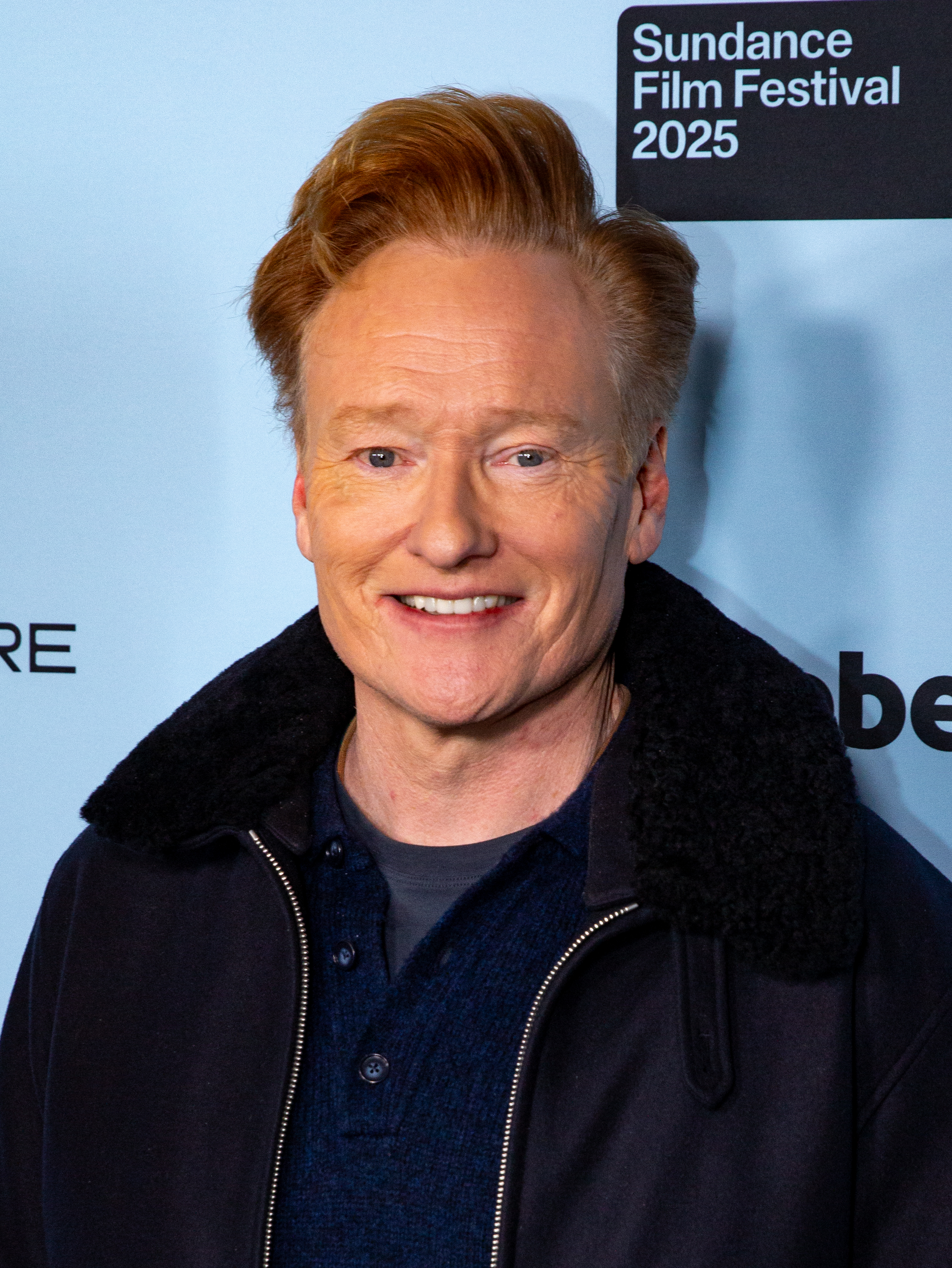
Conan O’Brien at Sundance 2025 (Wikimedia Commons) Net worth at a glance
Metric Estimate Estimated net worth (2026) $250M – $400M Team Coco sale (May 2022) Reported ~$150M to SiriusXM 2010 NBC settlement Reported ~$45M for Tonight Show exit Late Night tenure (NBC) 1993-2009 (16 years) The Tonight Show (NBC) 2009-2010 (7 months) Conan tenure (TBS) 2010-2021 (11 years) Primary podcast Conan O’Brien Needs a Friend (since 2018) Mark Twain Prize 2024 (for American Humor) Education BA History and Literature, Harvard University (1985) Headquarters Los Angeles, California Note: this article is independent editorial research. We are not affiliated with Conan O’Brien, Team Coco, SiriusXM, or any of his former networks. Net worth ranges are best-effort estimates derived from publicly reported deal values, salary disclosures, and reasonable post-tax savings assumptions across a 35+ year media career; only Conan and his accountant know the exact figure.
How Conan O’Brien built his net worth
O’Brien’s wealth is the product of nearly four decades in television comedy combined with the May 2022 sale of Team Coco to SiriusXM — one of the largest individual creator media business sales ever. The arc has five phases.
Phase 1: Harvard, SNL, and The Simpsons (1985–1993)
Born in Brookline, Massachusetts in April 1963, O’Brien graduated from Harvard University in 1985 with a degree in History and Literature, where he served as president of the Harvard Lampoon. After college he wrote for HBO’s Not Necessarily the News, then joined Saturday Night Live as a writer from 1988 to 1991, and subsequently wrote for The Simpsons from 1991 to 1993 (where he created or co-created several iconic episodes including “Marge vs. the Monorail”).
Phase 2: Late Night with Conan O’Brien (1993–2009)
In April 1993, NBC announced O’Brien — at the time virtually unknown to the public — as David Letterman’s replacement at Late Night following Letterman’s departure to CBS. The selection was controversial and the show’s first year was widely characterized as struggling. By 1996-1997, however, the show had found its footing and O’Brien had built one of the most distinctive comedic voices in American late-night television.
Across 16 years as Late Night host, O’Brien’s salary scaled from initial figures around $500K-$1M to peak compensation in the $7-12M range by the late 2000s. Cumulative Late Night compensation plausibly totaled $80-120M gross.
Phase 3: The Tonight Show debacle (2009–2010)
In June 2009, O’Brien took over The Tonight Show from Jay Leno per a multi-year succession plan announced in 2004. The transition was rocky from the start, with ratings underperforming Leno’s prior numbers. In January 2010, NBC announced a plan to move Leno’s failed 10 PM primetime show back to a 11:35 PM half-hour, pushing The Tonight Show to 12:05 AM. O’Brien refused to accept the move, leading to a high-profile public dispute.
O’Brien left NBC in January 2010 with a reported $45 million settlement (including approximately $33 million for him personally, with the remainder going to staff). The departure included a non-compete clause restricting his return to television for several months.
Phase 4: Conan on TBS (2010–2021)
O’Brien launched Conan on TBS in November 2010 — his own production company Team Coco’s flagship show, distributed via TBS. The show ran for 11 years and 1,400+ episodes before ending in June 2021 as O’Brien transitioned to streaming-first content via HBO Max.
The TBS years gave O’Brien meaningful ownership equity in the production through Team Coco — a critical structural difference from his prior NBC deals where he had been a salaried host. Team Coco subsequently expanded into podcasts, digital content, and a network of comedy properties.
Phase 5: Team Coco sale and HBO Max (2018–present)
In November 2018, O’Brien launched Conan O’Brien Needs a Friend — a comedy interview podcast that quickly became one of the largest comedy podcasts in the world. The podcast scaled rapidly across 2018-2022 and was the central asset that made Team Coco an attractive acquisition target.
In May 2022, SiriusXM acquired Team Coco for a reported $150 million in cash plus various performance components. The deal made O’Brien personally tens of millions of dollars in liquidity and provided him with a multi-year SiriusXM exclusive distribution arrangement for his ongoing content.
In April 2024, HBO Max released Conan O’Brien Must Go — a four-episode travel show extension of the popular “Conan Without Borders” specials. He was awarded the 2024 Mark Twain Prize for American Humor in recognition of his career contributions.
Career timeline
Year Milestone 1963 (April) Born in Brookline, Massachusetts 1985 Graduates Harvard University, BA History and Literature 1988-1991 Writer at Saturday Night Live 1991-1993 Writer at The Simpsons 1993 (Sept) Launches Late Night with Conan O’Brien on NBC 2004 NBC announces Tonight Show succession plan 2009 (June) Takes over The Tonight Show from Jay Leno 2010 (Jan) Leaves NBC after Tonight Show dispute; ~$45M settlement 2010 (Nov) Launches Conan on TBS via Team Coco 2018 (Nov) Launches Conan O’Brien Needs a Friend podcast 2021 (June) Conan ends after 11 years on TBS 2022 (May) SiriusXM acquires Team Coco for reported ~$150M 2024 (April) Conan O’Brien Must Go premieres on HBO Max 2024 Receives Mark Twain Prize for American Humor 2025-2026 Continues podcast and content via SiriusXM exclusive arrangement Net worth estimate breakdown
Team Coco sale to SiriusXM (largest single liquidity event)
The reported $150 million Team Coco sale in May 2022 is the largest single liquidity event of O’Brien’s career. After taxes (federal long-term capital gains plus California state tax totaling approximately 33%), after-tax personal proceeds plausibly $80-100 million. With several years to compound by 2026, residual value plausibly $90-115 million.
2010 NBC settlement
The reported ~$33 million personal portion of the 2010 settlement (excluding staff payments) plus subsequent investment compounding across 16+ years plausibly grew to $80-150 million by 2026, depending on investment returns.
Late Night and Conan TV compensation (legacy)
Cumulative TV compensation across the Late Night era (16 years), Tonight Show (~7 months), and Conan TBS era (11 years) plausibly totaled $200-300 million gross. After taxes, lifestyle, and the substantial spending typical of network TV stars, accumulated retained value plausibly $40-80 million by 2026.
Real estate
O’Brien owns multiple properties including a Los Angeles primary residence and a Massachusetts vacation property. Real estate equity plausibly $15-30 million.
Investments and savings
Beyond the Team Coco proceeds and 2010 NBC settlement, accumulated diversified investments plausibly $30-60 million.
Adding the buckets and applying realistic discounts produces the $250M-$400M range. The wealth is one of the largest among contemporary late-night TV hosts and reflects both 28 years of network compensation and the major Team Coco liquidity event.
Common misconceptions
“He’s worth $1 billion”
Some celebrity-net-worth aggregator sites quote O’Brien at figures north of $300M-$1B. Realistic estimates including the Team Coco sale, the 2010 NBC settlement, and accumulated TV compensation land in the $250M-$400M range. The wealth is substantial but bounded by realistic post-tax retention.
“He got rich from the 2010 NBC settlement alone”
The 2010 NBC settlement was approximately $45 million total (with ~$33 million for O’Brien personally) — meaningful but not the dominant driver of his wealth. The May 2022 Team Coco sale was approximately 4-5x the size of the NBC settlement and is the larger wealth-creation event.
“He’s been declining since The Tonight Show”
By revenue and net worth, O’Brien’s post-2010 era has substantially outperformed his Late Night years. The Conan TBS era plus Team Coco’s growth into a major podcast and digital business plus the 2022 SiriusXM sale have produced more wealth than the 16 years at NBC Late Night did.
“He hates Jay Leno”
The 2010 Tonight Show dispute was extraordinarily public and bitter at the time. In the years since, both O’Brien and Leno have publicly moved past the conflict, with O’Brien making famous appearances on Leno’s car show Jay Leno’s Garage and various warm references to their reconciliation.
Comparison to similar TV hosts
Host Estimated Net Worth Profile Conan O’Brien $250M – $400M 28 years of late-night, Team Coco SiriusXM sale, podcast Jay Leno $450M+ Tonight Show 1992-2014 and 2010-2014, car collection, voice acting David Letterman $400M+ Late Show CBS 1993-2015, Worldwide Pants production company Bill Maher $140M – $200M Real Time HBO, Club Random, Mets stake Stephen Colbert $75M+ Late Show host (CBS), Daily Show alum Jon Stewart $120M+ Daily Show OG, Apple TV+ deal, books, films O’Brien sits in the upper tier of all contemporary late-night TV hosts. He is below Letterman and Leno (both of whom had longer continuous network runs), but the Team Coco sale and ongoing SiriusXM arrangement may push him into closer parity over the next decade.
Related Profiles
Profiles in the same space — comedy & late-night — that readers of this page often explore next:
Frequently asked questions
What is Conan O’Brien’s net worth in 2026?
Combining the May 2022 Team Coco sale to SiriusXM (~$150M), the 2010 NBC settlement (~$45M total / ~$33M personal), 28 years of late-night television compensation across NBC and TBS, his ongoing podcast and SiriusXM revenue, real estate, and accumulated investments, Conan O’Brien’s net worth is estimated at $250 million to $400 million.
How much did Conan sell Team Coco for?
SiriusXM announced the acquisition in May 2022 at a reported $150 million in cash plus various performance components. The deal made O’Brien personally tens of millions of dollars in liquidity and provided ongoing SiriusXM exclusive distribution for his content.
What was the 2010 NBC settlement?
The settlement totaled approximately $45 million, with approximately $33 million going to O’Brien personally and the remainder going to staff who lost their jobs in the Tonight Show transition. The settlement was paid by NBC after the network forced O’Brien out following his refusal to accept a 12:05 AM time slot.
What is Conan O’Brien Needs a Friend?
It is the comedy interview podcast O’Brien launched in November 2018, featuring conversations with celebrities, comedians, and various guests. The show became one of the largest comedy podcasts in the world and was the central asset that made Team Coco attractive to SiriusXM.
How long was Conan on TV?
Approximately 28 years of continuous late-night television hosting — 16 years at Late Night on NBC (1993-2009), seven months at The Tonight Show on NBC (2009-2010), and 11 years at Conan on TBS (2010-2021).
Did Conan really write for The Simpsons?
Yes. He wrote for The Simpsons from 1991 to 1993 and is credited with creating or co-creating several iconic episodes including “Marge vs. the Monorail” and “Homer Goes to College.” The Simpsons writing room is widely regarded as one of the most legendary in comedy history.
Where did Conan O’Brien go to college?
Harvard University, where he graduated in 1985 with a Bachelor of Arts in History and Literature. He served as president of the Harvard Lampoon, a key step in his comedy career path.
Where does Conan O’Brien live?
Los Angeles, California. He has been based in LA since the 2009 move for The Tonight Show and has remained there throughout the Conan TBS and Team Coco eras.
Is Conan O’Brien married?
Yes. He has been married to Liza Powel O’Brien since 2002 and they have two children together.
What is the Mark Twain Prize?
The Mark Twain Prize for American Humor is a major lifetime achievement award given annually by the John F. Kennedy Center for the Performing Arts in Washington, DC, recognizing comedians and humorists who have had a defining impact on American culture. O’Brien received the 2024 award.
Sources & references
- Wikipedia — Conan O’Brien
- SiriusXM — May 2022 Team Coco acquisition announcement
- The New York Times — coverage of 2010 NBC settlement and Tonight Show dispute
- NBC — Late Night with Conan O’Brien archive (1993-2009)
- TBS — Conan archive (2010-2021)
- HBO Max — Conan O’Brien Must Go (April 2024)
- The John F. Kennedy Center — Mark Twain Prize 2024 announcement
- Harvard University — alumni records (1985)
Last updated: April 2026. Net worth estimates are based on publicly reported deal values, NBC settlement disclosures, and reasonable post-tax savings assumptions across a 35+ year media career. Figures will be revised when new disclosures occur.
-
Key Takeaways
- Estimated net worth of $25–$50 million as of 2026
- Think Like a Monk (2020) — #1 NYT bestseller, 2M+ copies sold worldwide
- Host of On Purpose — one of the top health-and-wellness podcasts globally
- Chief Purpose Officer at Calm (the meditation app) since 2020 — equity-linked role
- Spent 3 years as a Hindu monk (2010-2013) — central to his content positioning
- Co-founded Sama Tea wellness brand with wife Radhi Devlukia-Shetty
Jay Shetty — British-born former Hindu monk, life coach, host of On Purpose (one of the largest health-and-wellness podcasts in the world), Chief Purpose Officer at Calm (the meditation app, since 2020), and author of Think Like a Monk: Train Your Mind for Peace and Purpose Every Day (Simon & Schuster, 2020) and 8 Rules of Love (2023) — has built one of the largest individual self-help and mindfulness businesses in the post-2018 podcast era. Combining book royalties from his two #1 NYT bestsellers, podcast advertising, his Calm partnership equity and salary, speaking fees, the Jay Shetty Certification School (his certified life coach training program), Sama Tea (the wellness brand co-founded with his wife), and brand partnerships across major consumer categories, Jay Shetty’s net worth is estimated at $25 million to $50 million as of 2026.
Shetty’s case is unusual because his pre-podcast credentials — three years as a Hindu monk in Mumbai (2010-2013) — provide the kind of authentic spiritual training that most modern self-help creators lack. The combination of monastic credibility plus polished media production has made him one of the most distinctive figures in modern self-help and a regular crossover guest on mainstream entertainment platforms.
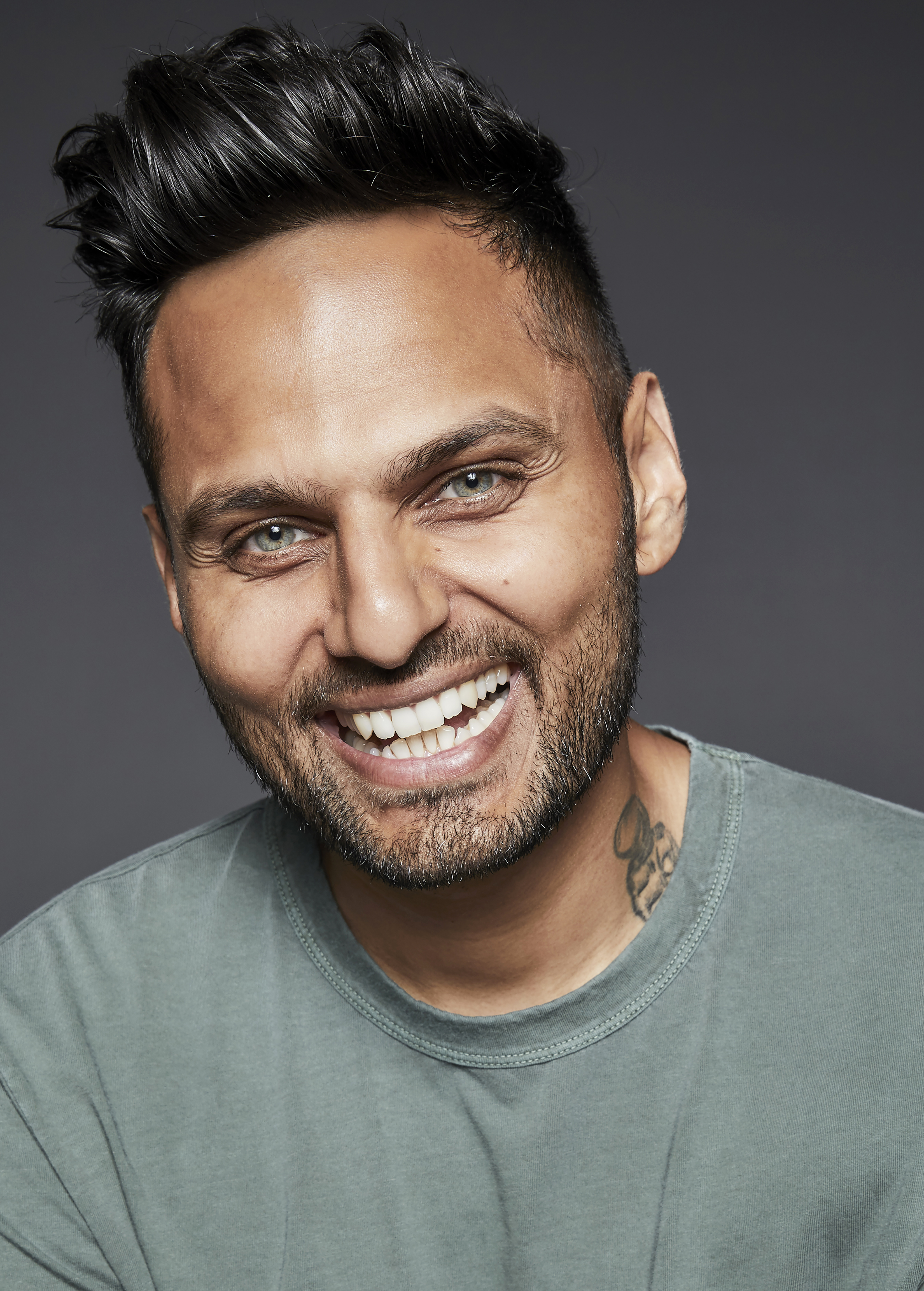
Jay Shetty 2021 (Wikimedia Commons) Net worth at a glance
Metric Estimate Estimated net worth (2026) $25M – $50M Bestselling 2020 book Think Like a Monk (Simon & Schuster, September 2020) Think Like a Monk copies sold 2M+ worldwide Other major book 8 Rules of Love (Simon & Schuster, January 2023) Primary podcast On Purpose (since 2019) Calm role Chief Purpose Officer (since 2020) YouTube subscribers 5M+ (combined channels) Major venture Sama Tea (wellness brand co-founded with wife Radhi) Education Cass Business School, City University London (Behavioural Science) Headquarters Los Angeles, California Note: this article is independent editorial research. We are not affiliated with Jay Shetty, Calm, or his ventures. Net worth ranges are best-effort estimates derived from publicly disclosed book sales, typical self-help podcast economics, and reasonable assumptions about the Calm partnership; only Jay and his accountant know the exact figure.
How Jay Shetty built his net worth
Shetty’s wealth is the product of a deliberate decade-long transition from monk to mainstream media figure, with each phase building on the previous. The arc has four phases.
Phase 1: Cass Business School and the monk years (2005–2013)
Born in London in September 1987 to Indian-British parents, Shetty studied Behavioural Science at Cass Business School (now Bayes Business School) at City University London, graduating in 2010. During his university years he met monks who were teaching wisdom traditions and decided after graduation to become a Hindu monk himself. He spent three years (2010-2013) living in a Hindu ashram in Mumbai and as a traveling monk in Europe — the experience that has anchored his subsequent personal and professional identity.
Phase 2: Return to corporate and HuffPost (2013–2017)
After leaving the monastic life, Shetty returned to London and worked as a corporate strategy consultant at Accenture for several years. He also began producing motivational video content on social media in his spare time. In 2016, Arianna Huffington offered him a host role at HuffPost where he launched the digital video series #FollowTheReader with Jay Shetty. The HuffPost role gave him significant audience growth and visibility.
Phase 3: On Purpose and viral video (2017–2019)
Shetty went independent in 2017, building his own social media presence with motivational and wisdom-based videos. His Facebook video posts regularly reached tens of millions of views, accumulating one of the largest motivational video audiences in the world. He launched the On Purpose podcast in 2019.
Phase 4: Think Like a Monk, Calm, and global scale (2020–present)
Think Like a Monk was published by Simon & Schuster in September 2020 and became an instant #1 New York Times bestseller. The book has since sold more than 2 million copies worldwide and been translated into multiple languages.
In 2020, Shetty was named Chief Purpose Officer at Calm — the major meditation app valued at $2 billion in its 2020 funding round. The role provides both salary compensation and equity-linked participation in Calm’s value. While exact terms have not been publicly disclosed, comparable Chief Purpose Officer / brand-figurehead roles at venture-funded consumer companies typically include meaningful equity stakes.
The 2023 publication of 8 Rules of Love extended his bestselling-author status, and the Jay Shetty Certification School (which trains and certifies life coaches under his methodology) added another high-margin recurring revenue line. By 2024-2026, his combined business revenue plausibly $10M-$25M annually.
Career timeline
Year Milestone 1987 (Sept) Born in London, England to Indian-British parents 2010 Graduates Cass Business School, BS Behavioural Science 2010-2013 Lives as a Hindu monk in India and as traveling monk in Europe 2013-2016 Returns to London; works at Accenture as corporate strategy consultant 2016 Joins HuffPost as host; launches #FollowTheReader video series 2017 Goes independent; builds Facebook and Instagram motivational video audience 2018 Marries Radhi Devlukia 2019 Launches On Purpose podcast 2020 (Sept) Publishes Think Like a Monk; debuts #1 NYT bestseller 2020 Named Chief Purpose Officer at Calm 2021 Launches Jay Shetty Certification School 2022 Co-founds Sama Tea wellness brand with wife Radhi 2023 (Jan) Publishes 8 Rules of Love 2025-2026 Continues podcast, Calm role, certification school, and Sama Tea operations Net worth estimate breakdown
Book royalties
2M+ copies of Think Like a Monk across multiple languages and formats, plus several hundred thousand copies of 8 Rules of Love, plausibly produces $4M-$10M in cumulative lifetime royalties before agent commissions.
Calm partnership and equity
The Chief Purpose Officer role at Calm includes both compensation and equity-linked participation. While exact terms are not public, comparable arrangements at venture-backed consumer companies typically include equity stakes that could be worth $5M-$20M depending on the specific terms and Calm’s evolving valuation.
Podcast advertising
On Purpose is consistently among the top health-and-wellness podcasts globally. Annual podcast advertising revenue at his audience size plausibly $3M-$8M.
Speaking fees
Speaking fees at his tier of cultural visibility plausibly $50K-$200K per appearance. With substantial corporate and event bookings annually, speaking revenue is plausibly $2M-$5M per year.
Jay Shetty Certification School
The certified life coach training program, with thousands of paying participants at multi-thousand-dollar tuition, plausibly generates $5M-$15M per year in gross revenue with healthy margins.
Sama Tea and brand partnerships
Sama Tea is a privately held wellness brand with growing distribution. Brand partnerships across various consumer categories plausibly contribute $1M-$3M annually.
Real estate and investments
Shetty owns property in Los Angeles. Real estate equity plausibly $3M-$6M. Accumulated investments after several years of substantial income plausibly $3M-$8M.
Adding the buckets and applying realistic discounts produces the $25M-$50M range.
Common misconceptions
“He’s not really a former monk”
Shetty’s three years (2010-2013) of monastic training in India and Europe have been corroborated by multiple sources including former teachers and fellow monks. The credentialing is real, even if subject to ongoing controversy about how exactly to characterize the experience.
“He’s worth $200 million”
Some celebrity-net-worth aggregator sites quote Shetty at figures north of $50M-$100M. Realistic estimates including all revenue lines and reasonable Calm equity assumptions land in the $25M-$50M range.
“His content is generic spiritual fluff”
The format is deliberately mainstream-accessible, but draws explicitly from Vedic and yogic wisdom traditions that Shetty studied during his monastic period. Whether one finds the synthesis intellectually rigorous or not, the underlying source material is substantive rather than invented.
“He plagiarized other authors”
In 2021-2022, several social media accounts surfaced examples of Shetty appearing to use quotes and phrasings from other writers without clear attribution in his social media content. Shetty acknowledged the criticism and improved his attribution practices going forward. The episode prompted broader conversations about content creator citation norms but did not meaningfully affect his commercial trajectory.
Comparison to similar self-help and wellness creators
Creator Estimated Net Worth Profile Jay Shetty $25M – $50M Podcast, books, Calm partnership, brand deals Mel Robbins $30M – $60M Podcast, books, speaking, courses Brené Brown $25M – $50M Books, courses, speaking, Spotify deal Glennon Doyle $15M – $25M Books (Untamed), podcast, speaking Tim Ferriss $100M+ Books, podcast, early-stage angel investing Eckhart Tolle $80M+ Books, online membership, Oprah partnership Shetty sits at the upper tier of contemporary self-help and wellness creators, comparable to Brené Brown and Mel Robbins on a personal-wealth basis. The Calm partnership is the differentiating equity component compared to most peers.
Related Profiles
Profiles in the same space — self-help & personal development — that readers of this page often explore next:
Frequently asked questions
What is Jay Shetty’s net worth in 2026?
Combining book royalties from his bestsellers, podcast advertising, the Calm partnership compensation and equity, speaking fees, the Jay Shetty Certification School, Sama Tea, and accumulated investments, Jay Shetty’s net worth is estimated at $25 million to $50 million.
Was Jay Shetty really a monk?
Yes. He spent three years (2010-2013) living as a Hindu monk in an ashram in Mumbai and traveling as a monk in Europe. The experience has been verified by multiple sources and is central to his subsequent personal and professional identity.
How many copies has Think Like a Monk sold?
More than 2 million copies worldwide across multiple languages and formats since its September 2020 publication. The book debuted at #1 on the New York Times bestseller list.
What is Jay Shetty’s role at Calm?
He has been Chief Purpose Officer at Calm — the meditation app — since 2020. The role includes contributing meditations to the app, brand-spokesperson responsibilities, and equity-linked participation in Calm’s business.
What is the Jay Shetty Certification School?
The Jay Shetty Certification School is the certified life coach training program Shetty launched in 2021. It trains and certifies life coaches under his methodology, with thousands of paying participants and multi-thousand-dollar tuition per program.
Where does Jay Shetty live?
Los Angeles, California, with his wife Radhi Devlukia-Shetty. He has been based in LA since launching his independent media career.
Is Jay Shetty married?
Yes. He married Radhi Devlukia in 2016. Radhi is a wellness influencer in her own right, has authored cookbooks, and is co-founder of Sama Tea with Jay.
What is Sama Tea?
Sama Tea is the wellness tea brand Jay Shetty and his wife Radhi Devlukia-Shetty co-founded in 2022. The brand offers loose-leaf and wellness-focused teas distributed direct-to-consumer and through select retail partners.
What was Jay Shetty’s first book?
Think Like a Monk: Train Your Mind for Peace and Purpose Every Day (Simon & Schuster, September 2020) was his first major published book. 8 Rules of Love (January 2023) was his second.
How big is the On Purpose podcast?
It consistently ranks among the top health-and-wellness podcasts globally on Apple Podcasts and Spotify charts, with regular weekly downloads in the millions. Notable guests have included Kobe Bryant, Khloé Kardashian, Will Smith, Hillary Clinton, and dozens of other major figures.
Did Jay Shetty officiate Jennifer Lopez and Ben Affleck’s wedding?
Yes. Shetty officiated the August 2022 wedding ceremony of Jennifer Lopez and Ben Affleck in Georgia. The booking reflected his significant cultural reach beyond the standard self-help audience and into mainstream celebrity circles.
What did Jay Shetty study at university?
Behavioural Science at Cass Business School (now Bayes Business School) at City University London. He graduated in 2010 before deciding to enter the monastic life.
Has Jay Shetty been criticized for plagiarism?
Yes. In 2021-2022, social media accounts surfaced examples of his content using quotes and phrasings from other writers without clear attribution. Shetty acknowledged the criticism and improved attribution practices going forward. The episode prompted broader industry conversation about creator citation norms but did not meaningfully affect his commercial trajectory.
How does Jay Shetty differ from other monks-turned-teachers?
Most former monks who teach in the West (Jack Kornfield, Sharon Salzberg, Pema Chödrön) operate within established Buddhist or Hindu institutional contexts. Shetty’s positioning is more secular and lifestyle-focused, drawing from monastic training but packaged for mainstream digital audiences. The model is closer to mainstream self-help with spiritual seasoning than to traditional dharma teaching.
How does Jay Shetty make most of his money?
The largest revenue lines as of 2026 are the Jay Shetty Certification School, the Calm partnership compensation and equity, podcast advertising, and book royalties, in roughly that order. Speaking fees, Sama Tea, and brand partnerships contribute meaningfully but are smaller relative to the certification school and Calm.
Sources & references
- Wikipedia — Jay Shetty
- Simon & Schuster — Think Like a Monk (September 2020) and 8 Rules of Love (January 2023)
- The New York Times — bestseller list archives, late 2020 and 2023
- Calm — Chief Purpose Officer announcement (2020)
- Apple Podcasts — On Purpose chart history
- HuffPost — #FollowTheReader with Jay Shetty archive (2016-2017)
- Cass Business School / City University London — alumni records
Last updated: April 2026. Net worth estimates are based on publicly disclosed book sales, typical self-help podcast economics, and reasonable assumptions about the Calm partnership equity. Figures will be revised when new disclosures occur.
-
Key Takeaways
- Estimated net worth of $25–$50 million as of 2026
- Co-founder of YMH Studios — comedy podcast network with multiple top shows
- Co-host of Your Mom’s House (with wife Christina Pazsitzky) and 2 Bears, 1 Cave (with Bert Kreischer)
- Multiple Netflix specials including Disgraceful (2018), Ball Hog (2020), Sledgehammer (2023), and Bad Thoughts Netflix sketch series (2024)
- Bestselling author of I’d Like to Play Alone, Please (Grand Central, 2022)
- Sold-out arena and theater touring globally; longstanding Joe Rogan / Comedy Mothership ecosystem fixture
Tom Segura — Cuban-American stand-up comedian, co-host of Your Mom’s House with his wife Christina Pazsitzky (one of the longest-running and most-listened comedy podcasts on the planet), co-host of 2 Bears, 1 Cave with Bert Kreischer, co-founder of YMH Studios (a podcast network with multiple top-charting shows), bestselling author, and headliner of multiple Netflix stand-up specials — has built one of the largest and most diversified independent comedy businesses in the modern stand-up era. Combining sustained arena touring, multiple Netflix specials, the YMH Studios podcast network’s advertising and merchandise revenue, his 2024 Netflix sketch comedy series Bad Thoughts, his 2022 bestselling book, and various brand partnerships, Tom Segura’s net worth is estimated at $25 million to $50 million as of 2026.
Segura is one of the cleanest examples of how the post-2018 podcast comedy era reshaped stand-up economics. His career arc closely resembles Bert Kreischer’s — a long pre-2018 grind followed by a sharp acceleration as the podcast network scaled — but Segura’s network ownership through YMH Studios gives him an additional equity layer that solo touring comedians lack.

Tom Segura (Wikimedia Commons) Net worth at a glance
Metric Estimate Estimated net worth (2026) $25M – $50M Primary podcasts Your Mom’s House (since 2010), 2 Bears, 1 Cave (since 2020) Production company YMH Studios (privately held) Notable Netflix specials Disgraceful (2018), Ball Hog (2020), Sledgehammer (2023) Netflix sketch series Bad Thoughts (2024) Bestselling book I’d Like to Play Alone, Please (Grand Central, 2022) Spouse Christina Pazsitzky (fellow comedian, YMH co-host) Headquarters Austin, Texas (relocated from Los Angeles) Note: this article is independent editorial research. We are not affiliated with Tom Segura, YMH Studios, or any of his publishers. Net worth ranges are best-effort estimates derived from typical comedy touring economics, podcast network economics, Netflix special licensing benchmarks, and reasonable post-tax assumptions; only Tom and his accountant know the exact figure.
How Tom Segura built his net worth
Segura’s wealth is the product of more than two decades of stand-up combined with one of the more sophisticated podcast network operations in comedy. The arc has four phases.
Phase 1: Stand-up build (2003–2010)
Born in Cincinnati, Ohio in April 1979 to Cuban-American parents, Segura grew up in California and Florida and attended Lenoir-Rhyne University in North Carolina before transferring to other institutions and ultimately graduating with a degree in international relations. He moved to Los Angeles in 2002 to pursue stand-up and grinded through the Los Angeles club circuit through the 2000s.
Phase 2: Your Mom’s House and the early podcast era (2010–2017)
Segura and Christina Pazsitzky launched Your Mom’s House in 2010 — well before the modern podcast boom and at a moment when very few comedians had thought to build a couples-format show. The early years of the podcast were modest commercially but built one of the most loyal audiences in comedy podcasting (the “Mommies” community). The show’s freewheeling format — viral video reactions, listener voicemails, recurring bits — became a template that other comedy podcasts subsequently copied.
His comedy specials during this era included Completely Normal (Netflix, 2014), Mostly Stories (Netflix, 2016), and Disgraceful (Netflix, 2018) — each one larger than the last and reflecting his growing audience.
Phase 3: YMH Studios and 2 Bears (2018–2022)
Around 2018-2019, Segura and Pazsitzky began building out YMH Studios as a formal podcast network — adding shows hosted by other comedians, building production infrastructure, and monetizing inventory across multiple shows rather than just Your Mom’s House alone. The network’s roster has included Two Bears, One Cave, Bad Friends (with Andrew Santino and Bobby Lee), and various others.
The 2020 launch of 2 Bears, 1 Cave with Bert Kreischer was a particularly strategic move — combining two large existing audiences in a buddy-podcast format that quickly became one of the largest comedy podcasts globally. Both comedians’ touring and individual show audiences benefited from the cross-pollination.
Phase 4: Netflix sketch series and arena touring (2023–present)
Sledgehammer, his 2023 Netflix special, was followed in 2024 by Bad Thoughts — a Netflix sketch comedy series that represented Segura’s first major scripted production. The series renewed his Netflix relationship and expanded his work into a format beyond pure stand-up.
He continues to tour arenas and theaters globally. The 2022 book I’d Like to Play Alone, Please (Grand Central / Hachette) hit the New York Times bestseller list and added book royalties as another income line. The relocation from Los Angeles to Austin around 2022 — like many comedians joining the Joe Rogan Comedy Mothership ecosystem — also brought tax advantages (Texas has no state income tax).
Career timeline
Year Milestone 1979 (April) Born in Cincinnati, Ohio ~2003 Begins stand-up comedy in Los Angeles ~2008 Marries fellow comedian Christina Pazsitzky 2010 Launches Your Mom’s House podcast with Pazsitzky 2014 Releases Completely Normal on Netflix 2016 Releases Mostly Stories on Netflix 2018 Releases Disgraceful on Netflix 2018-2019 Begins building YMH Studios as a formal podcast network 2020 Releases Ball Hog on Netflix; launches 2 Bears, 1 Cave with Bert Kreischer 2022 Publishes I’d Like to Play Alone, Please with Grand Central; NYT bestseller 2022 Relocates from Los Angeles to Austin, Texas 2023 (July) Releases Sledgehammer on Netflix 2024 Premieres Bad Thoughts sketch comedy series on Netflix 2025–2026 Continues arena touring, YMH Studios operations, and Netflix relationship Net worth estimate breakdown
Touring
At his current scale — selling out 8,000-15,000-seat arenas and theaters in major US markets and internationally with 60-100 dates per year, ticket prices typically $50-$120 plus VIP packages — annual touring gross is plausibly $15M-$30M, with 50-65% retained after standard tour costs and commissions.
YMH Studios podcast network
The network includes Segura and Pazsitzky’s flagship Your Mom’s House, 2 Bears, 1 Cave, and additional shows from network roster comedians. Combined network ad revenue plus the YMH Studios premium membership plausibly generates $8M-$20M per year in gross revenue, with Segura and Pazsitzky retaining majority ownership economics. After-tax network income to Segura personally is plausibly $2M-$5M per year.
Netflix specials and the Bad Thoughts series
Headlining Netflix comedy specials at his tier typically pay $1M-$3M per special. The Bad Thoughts sketch series likely paid an additional $1M-$3M in creator/talent fees plus production participation. Cumulative Netflix income across multiple specials is plausibly $6M-$15M.
Book royalties
The 2022 NYT-bestselling memoir I’d Like to Play Alone, Please plausibly produced $300K-$800K in cumulative royalties plus the original advance.
Real estate
Segura is based in Austin and previously held property in Los Angeles. Real estate equity plausibly $3M-$7M.
Investments and savings
After roughly seven years of multi-million-dollar annual income from comedy and the network, accumulated investments plausibly $5M-$12M.
Adding the buckets and applying realistic discounts for taxes (federal and California for the pre-2022 Los Angeles years), agent commissions, and YMH Studios operating costs produces the $25M-$50M range. The wide spread reflects genuine uncertainty about the network’s exact economics and ownership structure.
Common misconceptions
“He’s worth $100 million from Netflix alone”
Some celebrity-net-worth aggregator sites quote Segura at figures north of $50M-$100M. Realistic estimates land in the $25M-$50M range. Netflix specials are lucrative but bounded; the network operation is the more meaningful long-term wealth driver.
“YMH Studios is just a couple of podcasts”
The network has been deliberately built as a multi-show portfolio with shared infrastructure, ad sales operations, merchandise, and a paid premium tier. Treating YMH Studios as a real media business — comparable in scale (if not vertical breadth) to companies like Barstool Sports or Cumulus’ podcast portfolio — is closer to the actual operating reality.
“He stole the format from Joe Rogan”
The Your Mom’s House podcast launched in 2010, the same year Joe Rogan launched The Joe Rogan Experience. The two shows developed independently in parallel and reflect different formats (couples-driven reaction-and-bits format for YMH versus long-form interview for JRE). Both benefit from being early to the medium.
“His wife isn’t really involved in the business”
Christina Pazsitzky is a co-host of Your Mom’s House, a co-founder of YMH Studios, a working stand-up comedian in her own right, and an integral part of the operating economics of the business. The household economics are explicitly partnership-based.
Comparison to other stand-up comedians and podcasters
Comedian Estimated Net Worth Profile Tom Segura $25M – $50M YMH Studios, Your Mom’s House, multiple specials Bert Kreischer $20M – $35M Arena touring, Netflix, 2 Bears, The Machine film Theo Von $25M – $40M This Past Weekend, Netflix specials, touring Andrew Schulz $30M – $50M Flagrant podcast, multiple specials, brand deals Joe Rogan $200M+ Spotify deal, UFC, decades-long career Tim Dillon $10M – $18M Patreon-led podcast, touring, Netflix special Segura sits in the upper tier of independent comedy operators. His network ownership stake at YMH Studios is the differentiating financial factor compared to comedians whose income is purely touring-and-special based. He trails Joe Rogan only because Rogan’s Spotify deal economics and decades-long career produced an outsized outcome that very few comedians will match.
Related Profiles
Profiles in the same space — comedy & late-night — that readers of this page often explore next:
Frequently asked questions
What is Tom Segura’s net worth in 2026?
Combining arena touring, multiple Netflix specials and the Bad Thoughts sketch series, YMH Studios podcast network revenue, his 2022 bestselling book, and accumulated investments, Tom Segura’s net worth is estimated at $25 million to $50 million.
What is YMH Studios?
YMH Studios is the comedy podcast network Segura and his wife Christina Pazsitzky co-founded. The network houses Your Mom’s House, 2 Bears, 1 Cave, and a roster of additional comedy shows from other comedians.
How long has Tom Segura been doing Your Mom’s House?
Since 2010 — making it one of the longest-running comedy podcasts in the world. The show predates most of the modern podcast boom by several years.
Where does Tom Segura live?
Austin, Texas. He relocated from Los Angeles around 2022 alongside many other comedians joining the Joe Rogan Comedy Mothership ecosystem.
Is Tom Segura married?
Yes. He is married to fellow stand-up comedian Christina Pazsitzky, who co-hosts Your Mom’s House with him. They have two sons together.
What is Bad Thoughts?
Bad Thoughts is the Netflix sketch comedy series Segura created and starred in, released in 2024. It represented his first major scripted production beyond stand-up specials.
How many Netflix specials does Tom Segura have?
Multiple, including Completely Normal (2014), Mostly Stories (2016), Disgraceful (2018), Ball Hog (2020), and Sledgehammer (2023), plus the Bad Thoughts sketch series (2024).
What was Tom Segura’s bestselling book?
I’d Like to Play Alone, Please, published by Grand Central / Hachette in 2022, was a memoir-style essay collection that hit the New York Times bestseller list.
How does Tom Segura make most of his money?
His largest revenue lines are arena touring, the YMH Studios podcast network, and Netflix specials, in roughly that order. The network ownership is the differentiating long-term wealth driver compared to comedians whose income is purely touring-and-special based.
Is Tom Segura Cuban?
He is Cuban-American — his mother was born in Peru of Cuban descent and his father is American. He has discussed his Latino heritage extensively in his stand-up and on podcasts.
What other shows does YMH Studios produce?
The network has hosted shows including Bad Friends with Andrew Santino and Bobby Lee, Where My Mom’s At with Christina Pazsitzky, and various rotating projects. The network model allows YMH to monetize a portfolio rather than a single flagship show.
Has Tom Segura been on The Joe Rogan Experience?
Yes — multiple times across the show’s history. He is a long-standing member of the broader Rogan-adjacent comedy ecosystem and the Austin relocation in 2022 deepened those professional ties.
Did Tom Segura act in Bad Thoughts as a sketch performer?
Yes. Bad Thoughts is structured as a series of comedic sketches with Segura playing various characters across the run. The format was a meaningful expansion beyond pure stand-up performance.
What is Christina Pazsitzky’s background?
Christina Pazsitzky is a Canadian-American stand-up comedian. She has performed her own touring stand-up shows, hosted her own podcasts within the YMH network, and is half of the partnership behind YMH Studios as a business.
How long has Tom Segura been doing stand-up?
Since the early 2000s, when he moved to Los Angeles to pursue comedy after college. The full arc is roughly 23 years, with the breakthrough commercial era beginning around 2018-2020 alongside the broader independent comedy boom.
Sources & references
- Wikipedia — Tom Segura
- YMH Studios — official network site and show roster
- Netflix — Tom Segura specials catalog (2014-2024)
- Grand Central Publishing — I’d Like to Play Alone, Please (2022)
- The New York Times — bestseller list archives, mid-2022
- Apple Podcasts — Your Mom’s House and 2 Bears, 1 Cave chart history
Last updated: April 2026. Net worth estimates are based on publicly visible audience metrics, standard comedy touring and podcast network economics, and reasonable post-tax savings assumptions. Figures will be revised when new disclosures occur.
-
Energy · European Policy
In the intricate landscape of European energy policy, few decisions have been as controversial and potentially consequential as Germany’s steadfast commitment to phasing out nuclear power. What began as a principled stance on environmental sustainability has evolved into a complex geopolitical and economic challenge that now threatens the very foundations of Europe’s energy security and industrial competitiveness.
Key Takeaways- → Germany’s nuclear phase-out has increased carbon emissions and energy dependency contrary to original environmental goals
- → Top German leadership now publicly admits the nuclear exit was a “strategic mistake” with profound economic implications
- → European energy competitiveness has been severely impacted by over-prioritizing climate targets without considering economic resilience
- → The nuclear phase-out has paradoxically increased Germany’s reliance on fossil fuels, particularly coal and natural gas
- → International energy experts and EU leadership now view the nuclear exit as a significant strategic miscalculation
## Historical Context: The Path to De-Nuclearization
Germany’s journey away from nuclear power is deeply rooted in a complex mix of environmental activism, political ideology, and historical trauma. The decision to phase out nuclear energy can be traced back to the aftermath of the Fukushima disaster in 2011, which triggered an immediate and emotional response from German policymakers. In August 2011, the German parliament passed an amendment to the Nuclear Power Act, setting in motion a complete shutdown of the country’s nuclear power infrastructure.
Prior to this decision, nuclear power was a significant component of Germany’s energy mix. In 2010, nuclear power plants generated approximately **22% of the country’s electricity**, providing a stable, low-carbon energy source. The original plan, developed under Chancellor Angela Merkel, was to gradually phase out nuclear power by 2036. However, in the wake of Fukushima, this timeline was dramatically accelerated.
The final nuclear power plants were shut down in April 2023, marking the end of an era for Germany’s nuclear energy sector. At the time, this was celebrated by environmental activists as a major victory for sustainable energy policy.
## The Unintended Consequences
What has emerged in the years following the nuclear phase-out is a stark lesson in the complexities of energy transition. Contrary to initial expectations, Germany’s carbon emissions have not decreased. In fact, they have remained stubbornly high due to increased reliance on coal and natural gas.
According to data from the [International Energy Agency](/global-energy-transitions-explained/), Germany’s carbon intensity per kilowatt-hour has actually increased since the nuclear shutdown. The country has been forced to rely more heavily on coal-fired power plants to maintain grid stability, directly contradicting the original environmental motivations behind the nuclear exit.
## Economic and Strategic Implications
The economic cost of the nuclear phase-out has been substantial. Katherina Reiche, Germany’s economy and energy minister, has been unequivocal in her assessment. Speaking at the CERAweek international energy event in Houston, she described the nuclear exit as a “huge mistake” that has cost Germany approximately **20 GW of CO2-free power production at affordable prices**.
Chancellor Friedrich Merz has gone even further, stating that the decision represents a “strategic mistake” with far-reaching consequences for Germany’s industrial competitiveness. The European Commission President Ursula von der Leyen has publicly echoed these sentiments, calling it “a strategic mistake for Europe to turn its back on a reliable, affordable source of low-emissions power.”
## The Geopolitical Dimension
The nuclear phase-out has also exposed Germany to significant geopolitical vulnerabilities. By reducing its nuclear capacity without a comprehensive replacement strategy, the country has become more dependent on fossil fuel imports, particularly natural gas. This dependency has profound implications for energy security, especially in the context of ongoing global tensions.
Dr. Klaus Mueller, an energy policy expert at the German Institute for Economic Research, notes: “We’ve essentially traded one form of energy dependency for another. The shift away from nuclear power has made us more reliant on fossil fuel imports, which comes with its own set of geopolitical risks.”
## The Path Forward
While the nuclear plants have been decommissioned, there is growing discussion about potentially reversing or modifying the phase-out. However, practical challenges remain. The infrastructure has been dismantled, expertise has been dispersed, and political resistance remains strong among certain environmental factions.
Reiche suggests a nuanced approach: “It doesn’t mean we abandon our sustainability goals. But we must find a balance between affordability, energy security, and environmental protection.”
## Conclusion: A Lesson in Complex Energy Transitions
Germany’s nuclear phase-out serves as a critical case study in the challenges of energy policy. It demonstrates that well-intentioned environmental policies must be balanced with economic and strategic considerations.
The key lesson is clear: energy transitions are not simple binary choices between “green” and “non-green” technologies. They require sophisticated, multi-dimensional thinking that considers economic resilience, technological feasibility, and long-term strategic implications.
[Related Reading: The Future of European Energy Policy](/european-energy-policy-challenges-and-opportunities/)
-
Key Takeaways
- Estimated net worth of $250–$350 million as of 2026
- Hosts Fox News primetime show since 1996 (originally Hannity & Colmes until 2009; Hannity since 2009)
- Reported Fox News salary ~$45 million annually (one of the highest cable news contracts ever)
- Hosts The Sean Hannity Show nationally syndicated radio program (since 1996)
- Substantial real estate portfolio reportedly valued $90M+ across the US
- Multiple bestselling books including Live Free or Die (2020) and Conservative Victory (2010)
Sean Hannity — American conservative political commentator, broadcaster, and writer, host of Hannity on Fox News in primetime since 2009 (continuing the Fox News role he has held since the network’s founding in 1996, originally as Hannity & Colmes with Alan Colmes), host of nationally syndicated The Sean Hannity Show radio program since 1996, multiple-time New York Times bestselling author including Live Free or Die (2020) and Conservative Victory (2010), and one of the most consistent primetime cable news ratings leaders for nearly three decades — has built one of the largest individual broadcasting fortunes in modern American media. Combining his reported Fox News salary (~$45 million annually, among the highest cable news contracts ever signed), Premiere Networks radio compensation, accumulated savings from nearly three decades of high-revenue broadcasting, his bestselling book royalties, his substantial real estate portfolio (reportedly valued $90 million+ across multiple states), and accumulated investments, Sean Hannity’s net worth is estimated at $250 million to $350 million as of 2026.
Hannity’s case is one of the most enduring careers in contemporary cable news. His Fox News tenure spans the entire history of the network (since its 1996 launch) — a continuous primetime presence that no other Fox News host has matched. The combination of cable news primetime longevity, syndicated radio income, and a notably aggressive real estate investment strategy has produced one of the largest broadcaster fortunes in modern American media.
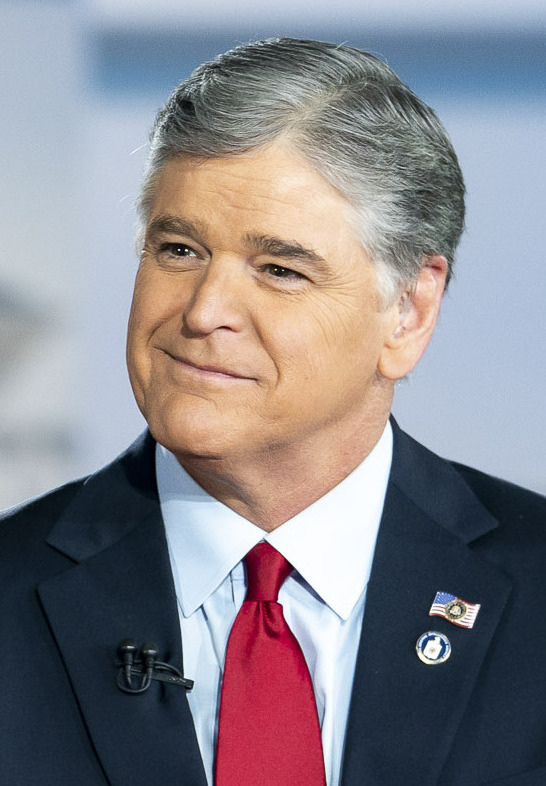
Sean Hannity 2020 (Wikimedia Commons) Net worth at a glance
Metric Estimate Estimated net worth (2026) $250M – $350M Fox News tenure 1996 – present (30 years; continuous primetime) Reported Fox News salary ~$45 million annually (most recent contract extension) Premiere Networks radio The Sean Hannity Show since 1996; reportedly ~$30M annually Real estate portfolio Reportedly $90M+ across multiple states (Florida, Georgia, NY, Vermont) Major books Conservative Victory (2010), Live Free or Die (2020) — both NYT bestsellers Awards Marconi Award (2016); multiple syndicated radio awards Education Did not complete college (attended NYU and Adelphi briefly) Headquarters Lloyd Harbor (Long Island), New York; substantial Florida holdings Note: this article is independent editorial research. We are not affiliated with Sean Hannity, Fox News, or Premiere Networks. Net worth ranges are best-effort estimates derived from publicly reported salary disclosures, real estate property records (multiple media outlets have documented his portfolio), book sales, and reasonable post-tax savings assumptions across a 30+ year broadcasting career; only Sean and his accountant know the exact figure.
How Sean Hannity built his net worth
Hannity’s wealth is the product of nearly three decades of continuous cable news primetime hosting combined with an unusually aggressive real estate investment strategy. The arc has four phases.
Phase 1: Local radio and Fox News founding (1989–2008)
Born in New York City in December 1961 and raised in Franklin Square, Long Island, Hannity attended NYU and Adelphi University but did not complete a college degree. He began his radio career at a local Santa Barbara, California station in 1989 and built his syndicated radio platform through the early 1990s.
In October 1996, Hannity joined Fox News at the network’s launch as co-host of Hannity & Colmes with progressive co-host Alan Colmes. The 9 PM ET show ran for 12 years and built Hannity’s national TV profile. Through this period, his Fox News salary scaled from initial figures around $1-2 million annually to peak compensation in the $5-10M range by 2007-2008.
Phase 2: Hannity solo era and primetime dominance (2009–2017)
In January 2009, Fox News rebranded the show as Hannity after Alan Colmes’s departure. The Hannity primetime show consistently ranked among the top three cable news programs in America across the subsequent decade-plus. Through 2009-2017, his Fox News compensation scaled significantly, reaching approximately $25-30 million annually by the mid-2010s.
In parallel, his syndicated radio program through Premiere Networks (a Clear Channel / iHeartMedia subsidiary) reached substantial scale, with reported radio compensation in the $25-30M annual range by the late 2010s.
Phase 3: Trump-era ratings dominance and major contract (2017–2022)
The 2017-2020 Trump presidency era drove enormous additional ratings to Fox News primetime. Hannity’s show was frequently the highest-rated cable news program during this period, with average viewership exceeding 4 million per episode in peak months.
His most recent reported Fox News contract extension is widely understood to compensate at approximately $45 million annually — making Hannity one of the highest-paid cable news anchors in history. Combined with his syndicated radio income, his annual gross compensation in this period plausibly exceeded $70-80 million.
Phase 4: Real estate aggressive investment and current era (2010–present)
Hannity has been notably aggressive about real estate investment throughout the post-2010 period. The Guardian’s 2018 investigation revealed he owned a portfolio of more than 870 residential properties through various LLCs, primarily in Georgia and other Southern states. Subsequent reporting has placed the total real estate portfolio value at $90 million+ across both his personal residences and investment properties.
The real estate strategy is unusual for a cable news anchor and reflects deliberate wealth diversification beyond his salary income. The portfolio includes notable personal residences in Lloyd Harbor, NY; a Florida primary residence; properties in Vermont; and the substantial Georgia investment property portfolio.
Career timeline
Year Milestone 1961 (Dec) Born Sean Patrick Hannity in New York City 1989 Begins radio career in Santa Barbara, California 1990s Builds syndicated radio platform in Atlanta and elsewhere 1996 (Oct) Joins Fox News at network launch as co-host of Hannity & Colmes 1996 Launches nationally syndicated The Sean Hannity Show radio program 2002 Publishes Let Freedom Ring: Winning the War of Liberty over Liberalism; NYT bestseller 2009 (Jan) Hannity & Colmes rebranded as Hannity after Alan Colmes departure 2010 Publishes Conservative Victory; NYT bestseller 2016 Receives Marconi Award (Network Syndicated Personality of the Year) 2017-2020 Hannity primetime show frequently #1 in cable news during Trump era 2018 The Guardian investigation reveals his 870+ residential property portfolio 2020 Publishes Live Free or Die; NYT bestseller 2024 Relocates primary residence to Florida 2025-2026 Continues Fox News primetime, radio, and real estate operations Net worth estimate breakdown
Fox News accumulated salary (largest single line)
Across the 30-year Fox News tenure (1996-2026), cumulative compensation plausibly totaled $400-600 million gross. After federal taxes plus state taxes (New York rates for most of his career, Florida no state tax for recent years), after-tax retention plausibly $150-250 million.
Premiere Networks radio compensation
Across roughly three decades of syndicated radio, with peak compensation in the $25-30M annual range, cumulative radio income plausibly $200-300 million gross. After-tax retention plausibly $80-120 million.
Real estate portfolio
The reported $90M+ real estate portfolio across personal residences and investment properties (particularly the Georgia rental portfolio) is the largest single asset category on his balance sheet. The portfolio has likely appreciated meaningfully since The Guardian’s 2018 documentation.
Book royalties
Multiple NYT bestsellers including Let Freedom Ring (2002), Conservative Victory (2010), Live Free or Die (2020) plus other titles plausibly produced $5-15 million in cumulative royalties and advances.
Other investments and savings
Beyond the real estate portfolio, accumulated diversified investments plausibly $20-40 million.
Adding the buckets and applying realistic discounts produces the $250M-$350M range. Hannity is among the wealthier individual broadcasters in American media history, with his real estate strategy being a meaningful differentiator from peers who relied primarily on broadcast salary alone.
Common misconceptions
“He’s worth $1 billion already”
Some celebrity-net-worth aggregator sites quote Hannity at $300M-$1B+. The realistic estimates including Fox News and radio cumulative compensation plus the real estate portfolio land in the $250M-$350M range. He is firmly in the upper nine-figure range but has not yet been confirmed at billion-dollar status by any documented source.
“His real estate is just a side hobby”
The Guardian’s 2018 investigation revealed an unusually large portfolio (870+ residential properties) operated through multiple LLCs. The real estate operation is a meaningful business in itself, distinct from his broadcasting income, and is a significant contributor to his overall net worth.
“He’s only relevant during Republican administrations”
Hannity’s primetime ratings have been strong across both Republican and Democratic administrations across his Fox News tenure. The audience demographics and engagement have remained consistent across multiple administrations, and his ratings have consistently been in the top three of cable news programming regardless of political environment.
“His career is shorter than other Fox primetime hosts”
The opposite — Hannity has been at Fox News continuously since the network’s 1996 launch, making him the longest-tenured primetime host in the network’s history. His combined tenure spans more than two decades longer than figures like Tucker Carlson (who joined in 2009 and departed in 2023).
Comparison to similar cable news figures
Figure Estimated Net Worth Profile Sean Hannity $250M – $350M Fox primetime since 1996, real estate, radio Tucker Carlson $80M – $150M TCN, X distribution, prior Fox income Bill O’Reilly $80M+ Independent post-Fox career, books, prior Fox Glenn Beck $200M+ BlazeTV/Mercury Radio Arts, books, decades Megyn Kelly $40M – $70M SiriusXM, YouTube, MK Media Rachel Maddow $50M+ MSNBC, books, Spotify deal Hannity sits at or near the top of contemporary cable news talent wealth. The combination of 30 years of continuous Fox primetime salary plus the $30M-range syndicated radio plus the substantial real estate portfolio produces an outcome that none of his cable news peers have matched.
Related Profiles
Profiles in the same space — news & political commentary — that readers of this page often explore next:
Frequently asked questions
What is Sean Hannity’s net worth in 2026?
Combining accumulated Fox News salary across 30 years of continuous primetime hosting, accumulated Premiere Networks radio compensation, his substantial real estate portfolio (reportedly $90M+ across multiple states), book royalties, and other investments, Sean Hannity’s net worth is estimated at $250 million to $350 million.
How much does Sean Hannity make at Fox News?
His most recent contract is reported at approximately $45 million annually, making him one of the highest-paid cable news anchors in history. Across his 30-year Fox News tenure, cumulative compensation plausibly totaled $400-600 million gross.
Does Sean Hannity really own 870 properties?
Yes. The Guardian’s 2018 investigation revealed Hannity owned a portfolio of more than 870 residential properties through multiple LLCs, primarily concentrated in Georgia and other Southern states. The portfolio has likely been refined and consolidated since the original disclosure but remains a substantial real estate operation.
How long has Sean Hannity been at Fox News?
Continuously since October 1996 — the network’s founding year. He is the longest-tenured primetime host in Fox News history, with his tenure spanning more than 30 years and the entire arc of the network’s existence.
What is The Sean Hannity Show?
It is the nationally syndicated talk radio program Hannity has hosted since 1996 through Premiere Networks (a Clear Channel / iHeartMedia subsidiary). The program reaches more than 500 stations and is one of the most-listened conservative talk radio programs in the United States.
Where does Sean Hannity live?
He maintains residences in Lloyd Harbor (Long Island), New York and has substantial Florida holdings (his primary residence relocated to Florida in 2024). He also reportedly owns property in Vermont and various other states. Florida has no state income tax, which is favorable for high-income earners.
Did Sean Hannity go to college?
He attended NYU and Adelphi University but did not complete a college degree. He began his radio career in 1989 in Santa Barbara, California.
What books has Sean Hannity written?
Multiple New York Times bestsellers including Let Freedom Ring: Winning the War of Liberty over Liberalism (2002), Conservative Victory: Defeating Obama’s Radical Agenda (2010), and Live Free or Die: America (and the World) on the Brink (2020).
Is Sean Hannity married?
He was married to Jill Rhodes from 1993 to 2019; they have two children together. He has been generally private about subsequent relationship status.
How does Sean Hannity make most of his money?
The largest current revenue line is his Fox News primetime salary at approximately $45 million annually. Beyond that, the syndicated radio income, the substantial real estate portfolio, and book royalties form the rest of the wealth picture. The real estate strategy is the differentiating wealth driver compared to typical cable news hosts who rely primarily on salary.
Has Sean Hannity received any major awards?
Yes. He received the Marconi Award for Network Syndicated Personality of the Year in 2016, recognizing his radio career achievement. He has also received various other industry awards across his three-decade broadcasting career.
What is Sean Hannity’s relationship with Donald Trump?
Hannity has been one of the most prominent media supporters of Donald Trump across both his presidential terms. The two have a longstanding personal relationship that predates Trump’s 2016 presidential campaign. Hannity’s primetime show consistently provided sympathetic coverage during Trump’s 2017-2021 first term and the 2025-present second term.
Why did Alan Colmes leave Hannity & Colmes?
Alan Colmes departed the original Hannity & Colmes show in November 2008, citing a desire to pursue other projects. Fox News rebranded the show as the solo Hannity in January 2009, and the format has continued in primarily solo configuration since then. Colmes died in 2017.
Sources & references
- Wikipedia — Sean Hannity
- The Guardian — 2018 investigation into Hannity’s 870+ property real estate portfolio
- Fox News — Hannity archive (since January 2009; Hannity & Colmes 1996-2009)
- Premiere Networks / iHeartMedia — The Sean Hannity Show radio archive
- The New York Times — bestseller list archives, multiple weeks 2002-2020
- Forbes — coverage of cable news anchor compensation
- The Marconi Awards — 2016 Network Syndicated Personality of the Year
Last updated: April 2026. Net worth estimates are based on publicly reported salary disclosures, real estate portfolio records, book sales, and reasonable post-tax savings assumptions across a 30+ year broadcasting career. Figures will be revised when new disclosures occur.
-
PRODUCTIVITY | PERFORMANCE COACH | NET WORTH
Brendon Burchard is one of the most successful high-performance coaches and personal-development authors of the modern era — a three-time New York Times bestselling author, the founder of GrowthDay (the personal-development app and content network now distributed on Pluto TV), and widely recognized as one of the world’s leading high-performance coaches. His books include The Motivation Manifesto (2014), The Charge (2012), The Millionaire Messenger (2011), and High Performance Habits: How Extraordinary People Become That Way (2017). As of 2026, Brendon Burchard’s estimated net worth is approximately $25 million to $60 million, derived from book royalties, the GrowthDay app and content business, his coaching certification programs, premium-priced live events, speaking fees, and his personal investments.
His career stands as one of the cleanest examples of how a personal-development entrepreneur can build a multi-arm coaching-content-and-software business spanning books, app subscriptions, certified-coach networks, premium live events, and television distribution.
Key Takeaways
- Brendon Burchard’s 2026 estimated net worth is approximately $25-60 million.
- He is a three-time New York Times bestselling author.
- His major books include High Performance Habits, The Motivation Manifesto, The Charge, and The Millionaire Messenger.
- He is the founder of GrowthDay, the personal-development app distributed on Pluto TV and other platforms.
- He is widely recognized as one of the world’s leading high-performance coaches.
- He runs the High Performance Institute and the Certified High Performance Coaching program.

Themed imagery related to Brendon Burchard. Photo by Kampus Production via Pexels. Who Is Brendon Burchard?
Brendon Burchard was born on February 28, 1977, in Montana, making him 49 years old as of 2026. He is an American author, high-performance coach, and motivational speaker. He is the founder of multiple personal-development businesses including GrowthDay, the High Performance Institute, and Certified High Performance Coaching.
What distinguishes Burchard from many personal-development authors is the breadth of his business empire. While most authors monetize primarily through book royalties and speaking, Burchard has built what is effectively a multi-arm coaching-content-and-software business — combining bestselling books, a subscription app, certified-coach training programs, premium live events, and television distribution into an integrated personal-development platform.
Career and Rise to Fame
Burchard’s personal narrative includes a defining near-death car accident in his late teens, which he has described as the catalyst for his lifelong focus on questions of meaning, purpose, and what it takes to live a high-performing life. The experience became the emotional foundation of his subsequent career as a personal-development author and coach.
He launched his coaching career in the mid-2000s after working in corporate-strategy consulting at Accenture. His early books built his audience steadily through the late 2000s and early 2010s:
- Life’s Golden Ticket (2007) — His first major book
- The Millionaire Messenger (2011) — A guide to building a coaching/expert business
- The Charge (2012) — Activating the 10 human drives that make you feel alive
- The Motivation Manifesto (2014) — A philosophical and practical framework for living with personal power
His career-defining mainstream-author moment came in September 2017 with the publication of High Performance Habits: How Extraordinary People Become That Way. The book introduced six key habits — clarity, energy, necessity, productivity, influence, and courage — that Burchard’s research had identified as predictors of high performance across professional and personal domains. High Performance Habits became a New York Times bestseller and is widely considered his most enduring work.
Beyond books, Burchard has built a multi-arm business empire:
- GrowthDay — His personal-development app and content network, which has expanded distribution to Pluto TV and other free streaming platforms. The app combines daily coaching content, courses, planning tools, and community features into a comprehensive personal-development platform.
- High Performance Institute — His coaching-and-research organization that conducts ongoing research into high performance and operates the broader brand infrastructure.
- Certified High Performance Coaching — His coach-certification program that trains and certifies coaches to deliver his high-performance methodology to their own clients. The certified-coach network extends his reach far beyond his personal time.
- Premium live events — Including Influencer events and other high-fee multi-day immersive personal-development experiences.
- Progress Mode podcast — His ongoing podcast covering high performance, mindset, and personal-development topics.
How Brendon Burchard Makes Money
Burchard’s wealth flows from several layered streams: book royalties, GrowthDay app subscriptions, the Certified High Performance Coaching program, premium live events, speaking fees, and his personal investment portfolio.
GrowthDay App and Content Business
The dominant ongoing revenue component of Burchard’s empire is the GrowthDay app, which operates on a subscription model with multiple pricing tiers. The expansion to Pluto TV has dramatically extended the brand’s distribution. Subscription personal-development apps at GrowthDay’s scale typically produce substantial recurring annual revenue.
Certified High Performance Coaching Program
The certified-coach training program is one of the most lucrative high-end coaching certification businesses in the world, with multi-thousand-dollar to mid-five-figure pricing per certification participant. With cumulative certified coaches numbering in the thousands and ongoing membership economics for certified coaches, the program generates substantial recurring revenue.
Book Royalties
Three New York Times bestsellers across his catalog produce substantial cumulative royalty income. High Performance Habits alone has been continuously selling since 2017 with strong backlist demand.
Premium Live Events
His live events — including the Influencer event and other multi-day immersive experiences — operate at premium price points typical of high-end personal-development conferences. Individual events can generate seven-figure revenue from a single 3-4 day immersive program.
Keynote Speaking
Burchard is one of the most-booked corporate keynote speakers in the high-performance and personal-development categories. Speaker fees at his level typically range from $50,000 to $100,000+ per engagement.
Personal Investments
His personal investment portfolio compounded across more than 15 years of high-earning personal-development entrepreneurship represents another meaningful component of his wealth.
Net Worth
Brendon Burchard’s exact net worth has not been definitively reported by mainstream wealth-tracking outlets. He has been openly transparent about his businesses but specific net-worth figures have not been publicly disclosed.
The realistic 2026 range for Brendon Burchard’s net worth is approximately $25 million to $60 million. That estimate reflects:
- The recurring revenue and accumulated profits from the GrowthDay app and content business
- Multi-year revenue from the Certified High Performance Coaching program
- Cumulative royalties from three New York Times bestsellers
- Premium live event revenue across many years
- Multi-decade premium-priced speaking income
- Personal investments compounded over a long career
Burchard does not appear on any wealth-ranking lists tracking the ultra-wealthy. His commitment to mission-driven content (the GrowthDay platform is positioned as a personal-development resource for the broader public) has produced what appears to be substantial wealth — consistent with a successful multi-arm personal-development entrepreneur with 15+ years of building.
Investments and Business Philosophy
Burchard’s coaching philosophy is captured in the six high-performance habits identified in his most famous book: seek clarity, generate energy, raise necessity, increase productivity, develop influence, and demonstrate courage. The framework, developed through his coaching practice and the research conducted at the High Performance Institute, has become foundational vocabulary in modern executive-and-personal-development coaching.
His business strategy reflects a multi-arm integrated approach. Where most personal-development authors stop at books and speaking, Burchard has built infrastructure across software (GrowthDay), training (Certified High Performance Coaching), live events, and television distribution. Each layer reinforces the others — the books drive app subscribers, the app drives event attendance, the events feed coach certification, and the certified coaches expand the methodology’s reach.
His investment focus has been openly traditional and disciplined. He has emphasized long-horizon wealth-building, diversified assets, and reinvestment in his businesses rather than chasing speculative categories.
Lifestyle and Spending
Burchard is married and lives in California with his family. He has been openly transparent about his personal narrative — including his teenage car accident, his career trajectory, and the operational realities of running a multi-arm personal-development business at scale.
His public lifestyle reflects high-performance personal-development positioning — including disciplined daily routines, fitness practices, and structured time management consistent with the frameworks he teaches. He is openly visible at his live events and on his content platforms, which has been part of why his audience has remained engaged across more than 15 years.
What Can We Learn from Brendon Burchard?
Burchard’s career offers some of the cleanest lessons in modern personal-development entrepreneurship:
1. Build the multi-arm business, not just the books. Most authors stop at books and speaking. Burchard has built apps, certifications, events, and TV distribution. The compounding revenue from each layer dramatically exceeds what books alone can produce.
2. Coach certifications are recurring revenue. Certified High Performance Coaching captures upfront fees plus ongoing membership economics. Certification programs are one of the most-underrated structural revenue mechanisms available to credentialed personal-development authors.
3. Apps are the modern infrastructure. GrowthDay’s expansion to Pluto TV demonstrates how personal-development can scale beyond traditional content channels into mainstream streaming distribution. Apps create recurring subscription revenue and infrastructure that books and live events cannot match.
4. Premium live events generate concentrated revenue. Multi-day immersive personal-development events at premium price points can produce seven-figure revenue from single events. The concentration of revenue from short-duration high-fee experiences is one of the most efficient monetization paths available.
5. Named frameworks compound. The six high-performance habits — clarity, energy, necessity, productivity, influence, courage — give Burchard reproducible, teachable, applicable concepts. Naming and structuring frameworks creates intellectual property that licenses, scales, and outlasts individual content products.
6. Personal narrative is brand foundation. Burchard’s teenage car accident is the emotional foundation of his career. The willingness to make personal experience part of the public message creates emotional resonance that purely intellectual content cannot match.
Related Profiles
Profiles in the same space — self-help & personal development — that readers of this page often explore next:
Frequently Asked Questions
What is Brendon Burchard’s net worth in 2026?
Brendon Burchard’s exact net worth has not been publicly disclosed. The realistic 2026 range — accounting for the GrowthDay app and content business, Certified High Performance Coaching program, three NYT bestsellers, premium live events, high-fee speaking, and personal investments — is approximately $25 million to $60 million.
What is GrowthDay?
GrowthDay is the personal-development app and content network founded by Brendon Burchard. The app combines daily coaching content, courses, planning tools, and community features. It has expanded distribution to Pluto TV and other free streaming platforms, dramatically extending the brand’s reach.
What is High Performance Habits?
High Performance Habits: How Extraordinary People Become That Way, published in 2017, is Brendon Burchard’s most famous book. It introduces six key habits — clarity, energy, necessity, productivity, influence, and courage — that his research identified as predictors of high performance across professional and personal domains.
What books has Brendon Burchard written?
Brendon Burchard’s books include Life’s Golden Ticket (2007), The Millionaire Messenger (2011), The Charge (2012), The Motivation Manifesto (2014), and High Performance Habits (2017). He is a three-time New York Times bestselling author.
What is Certified High Performance Coaching?
Certified High Performance Coaching is Brendon Burchard’s coach-certification program. It trains and certifies coaches to deliver his high-performance methodology to their own clients, extending his reach far beyond his personal time.
What is the High Performance Institute?
The High Performance Institute is Brendon Burchard’s coaching-and-research organization. It conducts ongoing research into high performance and operates the broader brand infrastructure.
Was Brendon Burchard in a car accident?
Yes. Burchard’s defining personal-narrative event was a near-death car accident in his late teens, which he has described as the catalyst for his lifelong focus on questions of meaning, purpose, and high performance.
The Brendon Burchard Impact
Brendon Burchard’s $25-60 million estimated net worth in 2026 is the financial result of one of the most successful multi-arm personal-development careers of the past 15 years. From a teenage car accident to three NYT bestsellers, the GrowthDay app and content network, the Certified High Performance Coaching program, premium live events, and Pluto TV distribution, Burchard has demonstrated that integrated personal-development business-building — combining books, software, certifications, events, and broadcast distribution — can compound into both meaningful wealth and lasting cultural influence on how millions of professionals think about high performance.
For aspiring personal-development entrepreneurs, coaches, and content-business operators, Brendon Burchard’s career stands as one of the most informative blueprints in the modern era — proof that named frameworks, certified-coach networks, app-based subscription infrastructure, premium live events, and disciplined long-horizon business-building can compound into a multi-million-dollar personal-development empire.
-
Lewis Howes — former pro arena football player turned New York Times bestselling author, host of The School of Greatness podcast (1,000+ episodes, 100M+ downloads), and founder of Greatness Media — has built one of the most durable personal-brand businesses in the self-help industry. Combining 13 years of podcast advertising at top-tier rates, three traditionally published books with major publishers (Rodale, Hay House), large annual live events (Summit of Greatness), high-ticket coaching, and brand partnerships with companies like Land Rover, Lewis Howes’ net worth is estimated at $15 million to $25 million as of 2026.
Howes’ rise is the kind of arc that podcast culture has made possible only in the last fifteen years. He went from sleeping on his sister’s couch in 2008, broke and depressed after a career-ending wrist injury, to interviewing Kobe Bryant, Tony Robbins, Mel Robbins, Matthew McConaughey, Brené Brown, and dozens of other A-list guests by the mid-2010s. The audience compounded; the business compounded with it.

Photo by ClickerHappy (Pexels) Net worth at a glance
Metric Estimate Estimated net worth (2026) $15M – $25M Primary podcast The School of Greatness (since January 2013) Cumulative downloads 100M+ Episodes published 1,000+ YouTube subscribers 3.5M+ (combined channels) Books The School of Greatness (2015), The Mask of Masculinity (2017), The Greatness Mindset (2023) Major events Summit of Greatness (annual, since 2014) Recognition White House “Top 100 Entrepreneurs Under 30” by President Obama Headquarters Los Angeles, California Note: this article is independent editorial research. We are not affiliated with Lewis Howes or Greatness Media. Net worth ranges are best-effort estimates derived from publicly available audience metrics, typical industry economics for podcasts and self-help businesses, and reasonable asset assumptions; only Lewis knows the exact figure.
How Lewis Howes built his net worth
Howes’ wealth is the result of three distinct revenue stages stacked on top of each other — a now-sold LinkedIn-marketing education business, a long-running top-100 podcast turned media empire, and a publishing-and-events franchise built on top of the audience. The arc has four major phases.
Phase 1: LinkedIn marketing courses (2008–2013)
Howes’ first business was not a podcast. After his arena football career ended with a broken wrist, he taught himself online marketing, became one of the first power users of LinkedIn for B2B lead generation, and built a small information business called LinkedInfluence — a course teaching small businesses how to use LinkedIn to drive sales. According to a 2015 Forbes profile, the business reached more than $1 million in revenue within two years and was sold to his business partner around 2013, which provided the seed capital for the next venture.
Phase 2: The School of Greatness podcast (2013–2018)
Howes launched The School of Greatness in January 2013, when podcasting was still a relatively niche medium. The format — long-form interviews with successful athletes, entrepreneurs, and thought leaders — was almost identical to what Tim Ferriss and others were doing, but Howes leaned harder into the personal-development and high-performance angle and recruited guests from his sports network (Kobe Bryant, Tony Hawk, Drew Brees) that gave the show distinctiveness.
By 2016, the show was consistently in the top 100 on the iTunes business and self-development charts. By 2020, cumulative downloads had crossed 100 million. The podcast operates a standard ad-supported business model: pre-roll, mid-roll, and post-roll ads sold through a combination of direct relationships and a podcast network. With a downloads-per-episode count in the high hundreds of thousands and a B2B-skewed audience, ad revenue alone is estimated at $1.5M–$3M per year at his current scale.
Phase 3: Books and the Summit of Greatness (2014–2023)
The first book, The School of Greatness: A Real-World Guide to Living Bigger, Loving Deeper, and Leaving a Legacy (Rodale, 2015), debuted on the New York Times bestseller list and has remained one of the better-selling self-help titles of the past decade. The follow-up, The Mask of Masculinity (Rodale, 2017), tackled men’s emotional health and was also a commercial success. The third major title, The Greatness Mindset (Hay House, 2023), debuted at #1 on the Wall Street Journal bestseller list.
In parallel, Howes launched the Summit of Greatness in 2014 — an annual two-day live event in Los Angeles (and other cities in some years) that has grown to attract 5,000+ attendees with ticket prices ranging from a few hundred dollars for general admission to $5,000+ for VIP tiers. At full capacity, the event can generate $3M–$8M in gross revenue across tickets, sponsorships, and on-site upsells, with significant operating costs for venue, production, and speakers.
Phase 4: Greatness Media and the broader business (2018–present)
Howes incorporated his various businesses under Greatness Media, which now operates the podcast, books, online courses, coaching programs, the Summit, brand partnerships, and a TV documentary called Chasing Greatness. The company has expanded into traditional broadcast distribution — School of Greatness episodes air on public television stations across the United States — which is a relatively unusual move for a podcast-first creator and adds an additional licensing revenue line.
Brand partnerships have included a high-profile multi-year ambassador relationship with Land Rover, plus sponsored integrations with companies like ButcherBox, Athletic Greens (now AG1), and various supplements and software brands. These partnerships are typically structured as flat fees plus performance bonuses and can run into the high six figures per year for a partner of Howes’ scale.
Career timeline
Year Milestone 1983 Born in Delaware, Ohio 2001 (Oct) Father suffers life-altering car accident; remains in coma three months 2002–2005 Two-time All-American athlete (football, decathlon) at Principia College 2007 Plays one season of arena football; ends career due to wrist injury 2008 Lives on sister’s couch; begins LinkedIn cold-outreach interviews with successful entrepreneurs 2009 Launches LinkedInfluence course 2010 Joins USA Men’s National Handball team (multi-year participation) 2011 LinkedInfluence reportedly crosses $1M annual revenue 2012 Recognized by President Obama / White House as one of “Top 100 Entrepreneurs Under 30” 2013 (Jan) Launches The School of Greatness podcast 2014 First Summit of Greatness live event 2015 Publishes The School of Greatness with Rodale; debuts on NYT bestseller list 2017 Publishes The Mask of Masculinity with Rodale 2020 Podcast crosses 100M cumulative downloads 2023 Publishes The Greatness Mindset with Hay House; #1 WSJ bestseller 2024 School of Greatness TV show begins airing on US public television; Chasing Greatness documentary released 2025 Podcast surpasses 1,000 episodes Net worth estimate breakdown
Podcast advertising revenue
With downloads-per-episode in the high six figures and a heavily US, business-and-self-development-skewed audience, The School of Greatness commands premium podcast CPMs — likely $35–$60 for mid-roll given the demographics. At his publishing cadence (roughly 150 episodes per year combining solo and interview formats) with three to five ad spots per episode, annual ad revenue is plausibly $1.5M–$3M.
Books and royalties
Three major bestsellers across two top-tier publishers, with one #1 WSJ debut, plus a foreign-rights footprint across multiple languages. Lifetime royalties across the three titles plausibly $1.5M–$4M, plus advances on the order of $200K–$500K per title.
Live events (Summit of Greatness)
An annual flagship event with 5,000+ attendees and tiered pricing typically grosses $3M–$8M; net margin after venue, production, speaker fees, and marketing is usually 25–45% in the live-events business. Cumulatively over twelve editions, the Summit franchise has likely contributed $5M–$15M in gross profit to Greatness Media.
Online courses, coaching, and membership
Greatness Media operates several courses and coaching programs — high-ticket coaching containers, cohort programs, and digital products. For a creator at Howes’ scale, this stack typically generates $2M–$5M per year in gross revenue.
Brand partnerships
The Land Rover ambassadorship and other multi-year brand deals likely contribute $500K–$1.5M per year in flat fees plus performance bonuses.
Real estate and personal assets
Howes has been based in Los Angeles for many years. Public-record sources have associated him with a multi-million-dollar Hollywood Hills home. Assigning conservative real estate equity of $3M–$6M is reasonable.
Investments and savings
After 13+ years of seven-figure annual income from a high-margin media business, accumulated investments — public markets, private deals (Howes has invested in several early-stage companies as an angel), and cash — plausibly total $4M–$8M.
Adding the buckets and applying realistic discounts produces the $15M–$25M range. The lower end assumes more reinvestment back into the business and lifestyle drag; the upper end assumes disciplined personal saving and that the Summit and book franchises have been more profitable than the conservative estimates.
Common misconceptions
“He was already rich from football”
No. Arena football pays a fraction of NFL salaries — typical 2007 arena salaries were $30,000–$50,000 per season, not enough to provide any kind of lasting financial security. Howes’ wealth is entirely post-football and post-LinkedInfluence; the football era was effectively income-neutral.
“The podcast is the whole business”
The podcast is the marketing engine, but as the breakdown shows, books, the Summit of Greatness, courses, coaching, and brand partnerships each contribute meaningful revenue. The podcast may not even be the largest single line in any given year.
“He must be a billionaire by now”
Some celebrity-net-worth aggregator sites quote Howes at $50M or more. These figures don’t reconcile with the business size. Even at very generous assumptions about every revenue line, total enterprise value of Greatness Media is unlikely to exceed $50M — and that is enterprise value, not Howes’ personal net worth, which is meaningfully smaller after taxes, team costs, and lifestyle.
“It’s all sponcon and self-help fluff”
The publishing track record argues otherwise. Two NYT-bestseller-level titles and one #1 WSJ debut over an eight-year span, plus a public television deal, indicate a level of editorial credibility that the more dismissive characterizations don’t capture.
Comparison to similar podcaster-authors
Creator Estimated Net Worth Profile Lewis Howes $15M – $25M Podcast, books, live events, courses Tim Ferriss $100M+ Podcast, books, early-stage angel investing (Uber, Shopify) Tom Bilyeu $400M+ Quest Nutrition exit, Impact Theory, Chamath fund LP Mel Robbins $30M+ Podcast, bestselling books, courses, speaking Jay Shetty $30M+ Podcast, books, Calm partnership, brand deals Brendon Burchard $25M – $40M High Performance Academy, books, events Howes sits in the same upper-middle tier as Mel Robbins and Brendon Burchard — successful self-help podcaster-authors with multi-line businesses, but without the operating-equity windfalls (Quest Nutrition for Bilyeu) or early-stage investing returns (Tim Ferriss) that drive the very top of the list.
Related Profiles
Profiles in the same space — long-form podcasting — that readers of this page often explore next:
Frequently asked questions
What is Lewis Howes’ net worth in 2026?
Based on 13 years of top-100 podcast monetization, three bestselling books, the annual Summit of Greatness, courses, and brand partnerships, Lewis Howes’ net worth is estimated at $15 million to $25 million.
How does Lewis Howes make most of his money?
The largest revenue lines are podcast advertising, the Summit of Greatness live events, books, and online courses/coaching, in roughly that order. Brand partnerships (notably Land Rover) and investments contribute additional income.
What was Lewis Howes’ first business?
LinkedInfluence, an online course teaching small businesses how to use LinkedIn for B2B lead generation. The business reached more than $1 million in revenue within two years and was sold to his business partner around 2013, providing seed capital for the podcast era.
Did Lewis Howes really play professional football?
Yes. He played one season of arena football before a wrist injury ended his playing career. He was previously a two-time All-American athlete in college (in football and decathlon) at Principia College.
How many books has Lewis Howes written?
Three major books: The School of Greatness (Rodale, 2015), The Mask of Masculinity (Rodale, 2017), and The Greatness Mindset (Hay House, 2023). All three reached major bestseller lists.
What is Greatness Media?
Greatness Media is the umbrella company Howes operates that houses the School of Greatness podcast, his books, the Summit of Greatness, online courses, the TV show, the Chasing Greatness documentary, and brand partnerships.
How big is the Summit of Greatness event?
The annual flagship event in Los Angeles attracts 5,000+ attendees with tiered pricing from general admission (a few hundred dollars) to VIP and platinum tiers ($5,000+). The first Summit was held in 2014.
Where does Lewis Howes live?
Los Angeles, California, where he has been based for most of his career.
Was Lewis Howes recognized by President Obama?
Yes. In 2012, he was recognized by the White House as one of the “Top 100 Entrepreneurs Under 30” — an honor that helped accelerate his platform-building in the early years of the podcast.
Does Lewis Howes still play handball?
He has been a member of the USA Men’s National Handball team and has competed at international levels. While his competition schedule has slowed as the business has grown, he remains involved in the sport.
How did Lewis Howes break into the podcast space so early?
He launched The School of Greatness in January 2013, when fewer than half a million podcasts existed worldwide and the medium had not yet hit mainstream awareness. The combination of being early, releasing a high-frequency long-form interview format, and recruiting recognizable guests from his sports network gave the show meaningful audience compounding before the field became saturated. By the time most personal-development creators noticed the opportunity, Howes already had 200+ episodes and a top-100 ranking.
What is Lewis Howes’ background in handball and why does it matter?
He joined the USA Men’s National Handball team in 2010, picking up the sport in his late twenties as part of his post-football life. Beyond the personal accomplishment, the handball years gave him a continued athletic identity — useful for both his content positioning and his network — that helped recruit guests like Kobe Bryant and other elite athletes to the early podcast episodes.
Has Lewis Howes invested in any companies as an angel?
Yes. While he is not a full-time investor like Tim Ferriss, Howes has made a number of personal angel investments in early-stage companies, primarily in the wellness, media, and content-creator-tooling spaces. The portfolio is small relative to his operating business and has not been a primary wealth driver to date.
Sources & references
- Lewis Howes official website — About Lewis Howes
- Lewis Howes — The School of Greatness Podcast
- Forbes — “How Lewis Howes Went from Living on a Sister’s Couch to Earning $1M in 2 Years” (2015)
- Apple Podcasts — The School of Greatness on Apple Podcasts
- Rodale Books — The School of Greatness by Lewis Howes (2015)
- Rodale Books — The Mask of Masculinity by Lewis Howes (2017)
- Hay House — The Greatness Mindset by Lewis Howes (2023)
- Summit of Greatness — official event site
Last updated: April 2026. Net worth estimates are based on publicly available information about audience size, business offerings, and standard industry economics. Figures will be revised when new disclosures are published.
-
PODCAST HOST | JOURNALISM | NET WORTH
Michael Barbaro is one of the most influential journalists of the modern podcast era — the host of The Daily, the New York Times news podcast that launched in February 2017 and has grown into one of the most-listened-to podcasts in the United States, with approximately 4 to 5 million daily downloads. As a New York Times journalist who joined the Times in 2005 and built a career covering Walmart, New York City Hall, and national politics, Barbaro became the primary voice of how millions of Americans get their news every weekday morning. As of 2026, Michael Barbaro’s estimated net worth is approximately $3 million to $10 million, derived from his New York Times senior journalism compensation, ongoing royalties and revenue share from The Daily‘s commercial success, premium speaking fees, and his personal investments.
His career stands as one of the cleanest examples of how the rise of long-form podcast journalism has transformed how senior journalists at major newspapers can build both audience reach and personal-brand recognition that previous generations of newspaper journalists could not access.
Key Takeaways
- Michael Barbaro’s 2026 estimated net worth is approximately $3 million to $10 million.
- He has hosted The Daily podcast for the New York Times since February 2017.
- The Daily reaches approximately 4 to 5 million daily downloads.
- He joined The New York Times in 2005 as a journalist covering business, politics, and broader news.
- He earned his Bachelor of Arts from Yale University.
- The Daily has become one of the most influential news podcasts of the modern era.

Themed imagery related to Michael Barbaro. Photo by Michal Dziekonski via Pexels. Who Is Michael Barbaro?
Michael Christopher Barbaro was born on October 12, 1979, making him 46 years old as of 2026. He is an American journalist and podcast host. He earned his Bachelor of Arts from Yale University and has spent the bulk of his journalism career at The New York Times, which he joined in 2005.
What distinguishes Barbaro from many newspaper journalists is the unusual combination of his traditional newspaper-reporter background and his subsequent transformation into one of the defining podcast voices of the modern era. While most senior newspaper journalists historically have built audience reach through written articles, Barbaro built dramatically larger reach through The Daily’s daily audio format — fundamentally reshaping what is possible for newspaper journalists in the modern attention economy.
Career Timeline
Michael Barbaro’s career has unfolded across several distinct phases:
Yale and Pre-NYT Career (Early 2000s)
Barbaro earned his Yale undergraduate degree and began his journalism career at major news outlets before joining The New York Times in 2005.
NYT Beat Reporter Phase (2005-2016)
Barbaro joined The New York Times in 2005 and spent his early career as a beat reporter covering Walmart (the retail giant), New York City Hall, and various other beats. He became increasingly known for his political reporting, particularly during the 2016 presidential election cycle when he was one of the Times’s most prominent campaign reporters covering Donald Trump’s rise.
The Daily Founding and Hosting (February 2017-Present)
In February 2017, The New York Times launched The Daily, with Barbaro as the host. The podcast — originally conceived as a daily news-explanation podcast for Times readers and broader audiences — grew rapidly through 2017 and beyond. By 2026, The Daily has reached approximately 4 to 5 million daily downloads, making it one of the most-listened-to podcasts in the United States and one of the most influential news media products of the modern era.
Continued Podcast Leadership (2017-Present)
Through the late 2010s and into the 2020s, Barbaro has continued to lead The Daily as its primary host and editorial voice. The podcast’s daily 20-30 minute episodes — featuring extended interviews with NYT reporters about the day’s most important stories — have become foundational morning content for millions of Americans across multiple political affiliations.
The Daily Podcast: A Modern Media Phenomenon
The Daily represents one of the most distinctive media products of the modern podcast era. Key features:
Daily Cadence
The Daily publishes a new episode every weekday morning. The relentless daily cadence — combined with the 20-30 minute format — produces unusual audience engagement and habit-formation that more episodic podcast formats cannot match.
Reporter-Interview Format
Each episode typically features Barbaro interviewing a New York Times reporter about a major story they have been covering. The format showcases the depth of NYT reporting while making it accessible to listeners through Barbaro’s distinctive interview style — measured, methodical, and willing to ask genuinely curious questions about the subject matter.
4-5 Million Daily Downloads
The Daily reaches approximately 4 to 5 million daily downloads — placing it among the most-listened-to podcasts in the United States. The audience size makes The Daily comparable in reach to major broadcast news products, despite operating in the on-demand audio format.
Brand Influence and Cross-Platform Reach
The Daily has become one of the most-influential news media products of the modern era — not just for its direct audience but for its broader cultural influence on how news is presented in long-form audio format. The podcast has spawned numerous imitators across other major news organizations.
Distinctive Barbaro Style
Barbaro’s interview style — including his characteristic “Right” responses, measured pacing, and willingness to ask genuinely curious questions even on familiar topics — has become one of the most-recognizable voices in American audio journalism. The distinctive style is part of why The Daily has produced such durable audience loyalty across multiple years.
How Michael Barbaro Makes Money
Barbaro’s wealth flows through several layered streams: New York Times senior journalism compensation, ongoing involvement with The Daily’s commercial success, premium speaking fees, and his personal investments.
New York Times Compensation
The dominant component of Michael Barbaro’s net worth is his New York Times compensation. Senior staff at the Times — particularly star journalists with substantial public profiles — typically earn well into the high six-figure to low seven-figure range annually, with components for base salary, performance bonuses, and contractual structures that may include audience-related performance terms.
The Daily Commercial Success
The Daily generates substantial advertising revenue for The New York Times. While Barbaro is a New York Times employee rather than an independent owner of the podcast, his contractual structure likely includes performance-related components tied to The Daily’s commercial success — which has been substantial across multiple years.
Premium Speaking Fees
Barbaro is a sought-after speaker for media-industry events, university programs, and broader public-affairs gatherings. Speaker fees for major podcast hosts at his profile typically range from $20,000 to $50,000+ per major engagement.
Other Public Appearances
Barbaro occasionally appears on television and at other major media events. While these appearances are typically promotional rather than significant direct income sources, they reinforce his broader brand profile.
Personal Investment Portfolio
His personal investment portfolio compounded across multiple years of senior NYT compensation represents another component of his wealth.
Net Worth Estimate
Michael Barbaro’s exact net worth has not been publicly disclosed by mainstream wealth-tracking outlets. He has been notably private about specific personal financial figures, consistent with his broader serious-journalist profile.
The realistic 2026 range for Michael Barbaro’s net worth is approximately $3 million to $10 million. That estimate reflects:
- Multi-year senior NYT compensation including base salary and performance components
- Any contractual performance-related components tied to The Daily’s commercial success
- Multi-year premium-priced speaking fees
- Personal investment portfolio compounded over his career
- Other media income and selective consulting work
Barbaro does not appear on any wealth-ranking lists tracking the ultra-wealthy. As an employee-journalist (rather than independent podcast owner), his wealth profile is meaningfully different from independent podcast hosts who own their show’s economics directly.
Common Misconceptions About Michael Barbaro’s Wealth
Several common misconceptions appear in discussions of Barbaro’s wealth:
Misconception 1: He owns The Daily. The Daily is owned by The New York Times, not by Barbaro personally. As host, he is a NYT employee with employment compensation rather than an independent podcast owner with direct ownership economics. The distinction is meaningful — independent podcast owners typically capture far more of their show’s commercial value than employee hosts.
Misconception 2: His wealth matches his audience reach. The Daily reaches 4-5 million daily downloads — a scale comparable to major broadcast products. But Barbaro’s personal wealth does not scale linearly with audience reach because the commercial value flows primarily to The New York Times rather than to him personally.
Misconception 3: He’s a billionaire from podcasting. Despite The Daily’s exceptional commercial success, Barbaro is an employee journalist rather than a podcast owner. The realistic estimate places him in the multi-million-dollar range, not in billionaire territory.
Misconception 4: All podcast hosts have similar economics. Independent podcast hosts who own their shows directly typically capture meaningfully more wealth from podcast success than employee hosts at major media organizations. Barbaro’s wealth profile reflects the employee-journalist structure rather than independent-podcast-owner economics.
Career Philosophy and Style
Barbaro’s editorial philosophy is built around making serious journalism accessible through accessible audio storytelling. His core insight — articulated through The Daily’s distinctive format — is that audiences hungry for serious news content can engage with depth and nuance when journalism is presented in long-form audio format with skilled interviewing rather than purely in written or short-form video formats.
His interview approach is similarly distinctive. The willingness to ask genuinely curious questions — even on topics where the host is presumed to already know the answer — produces audio that respects the listener’s curiosity and the reporter’s expertise. The measured pacing, characteristic responses, and broader interview discipline have become one of the most-recognizable voices in modern American journalism.
His career strategy reflects a notable bet on long-form audio as a future of serious journalism. Many journalists in his cohort built careers in television, newspapers, or magazine writing; Barbaro’s bet on a daily news podcast in 2017 — a format that was emerging but unproven at his eventual scale — turned out to be one of the most consequential career decisions in modern American journalism.
Lifestyle and Personal Life
Barbaro lives in New York City. He was first married to Timothy Levin in 2014 (they divorced in 2018), and he subsequently married Lisa Tobin — a senior audio editor at The New York Times — in 2020. They have two children together.
His public lifestyle is grounded for someone of his audience scale. He is not a fixture in luxury or society coverage and his public profile is overwhelmingly focused on The Daily’s editorial work rather than personal-celebrity coverage.
What Can We Learn from Michael Barbaro?
Barbaro’s career offers some of the cleanest lessons in modern audio journalism:
1. Major newspaper podcasts can dwarf written-article reach. The Daily’s 4-5 million daily downloads dramatically exceed the reach of most NYT written articles. Audio podcast formats — when executed well — can produce audience scale that previous newspaper-journalism formats could not match.
2. Daily cadence builds habit-forming audiences. The Daily’s relentless every-weekday cadence — combined with the 20-30 minute format — creates morning habit formation that more episodic podcast formats cannot replicate. Daily cadence is one of the most powerful formats for building durable audience loyalty.
3. Distinctive voice is brand defense. Barbaro’s measured pacing, characteristic responses, and willingness to ask curious questions create a distinctive audio identity that copycats struggle to replicate. Voice is one of the most defensible brand assets in audio media.
4. Reporter-interview format showcases institutional depth. The Daily’s format — featuring extended interviews with NYT reporters about their stories — showcases the depth of NYT reporting while making it accessible to broader audiences. The format leverages institutional reporting investment in ways that purely-host-driven podcasts cannot.
5. Employee-journalist economics differ from independent-podcast-owner economics. Barbaro’s employee structure at NYT means The Daily’s commercial value flows primarily to the institution rather than to him personally. Aspiring journalists thinking about podcast careers should understand the economic differences between employee and independent structures.
6. Bet early on emerging formats. Barbaro’s bet on daily news podcasting in 2017 — when the format was emerging but unproven at his eventual scale — turned out to be one of the most consequential career decisions in modern American journalism. Early bets on emerging formats can produce career-defining outcomes.
Related Profiles
Profiles in the same space — news & political commentary — that readers of this page often explore next:
Frequently Asked Questions
What is Michael Barbaro’s net worth in 2026?
Michael Barbaro’s exact net worth has not been publicly disclosed. The realistic 2026 range — accounting for multi-year senior NYT compensation, contractual components tied to The Daily’s commercial success, premium speaking fees, and personal investments — is approximately $3 million to $10 million.
What is The Daily?
The Daily is the New York Times news podcast Michael Barbaro has hosted since February 2017. The podcast publishes a new episode every weekday morning, typically featuring extended interviews with NYT reporters about major stories. It has grown into one of the most-listened-to podcasts in the United States with approximately 4-5 million daily downloads.
How many people listen to The Daily?
The Daily reaches approximately 4 to 5 million daily downloads — placing it among the most-listened-to podcasts in the United States and making it one of the most influential news media products of the modern era.
When did Michael Barbaro join The New York Times?
Michael Barbaro joined The New York Times in 2005 as a journalist. He spent his early career covering Walmart, New York City Hall, and various other beats before becoming a prominent campaign reporter during the 2016 presidential election cycle.
How old is Michael Barbaro?
Michael Barbaro was born on October 12, 1979, making him 46 years old as of 2026.
Where did Michael Barbaro go to college?
Michael Barbaro earned his Bachelor of Arts from Yale University.
Is Michael Barbaro married?
Michael Barbaro is married to Lisa Tobin, a senior audio editor at The New York Times. They were married in 2020 and have two children together. Barbaro was previously married to Timothy Levin from 2014 to 2018.
Does Michael Barbaro own The Daily?
No. The Daily is owned by The New York Times, not by Barbaro personally. As host, he is a NYT employee with employment compensation rather than an independent podcast owner with direct ownership economics.
Why is Michael Barbaro famous?
Michael Barbaro is famous primarily as the host of The Daily, the New York Times news podcast he has hosted since February 2017. The podcast has become one of the most-listened-to in the United States, making Barbaro one of the most-recognizable voices in modern American journalism.
Does The Daily make money?
Yes. The Daily generates substantial advertising revenue for The New York Times through both pre-roll and embedded sponsorships. The podcast’s 4-5 million daily downloads make it one of the most commercially valuable podcasts in the broader news-podcast category.
Sources and References
Information for this profile was drawn from publicly available sources including:
- Wikipedia: Michael Barbaro article
- The New York Times public coverage of The Daily’s audience metrics
- Industry coverage of news-podcast ranking and download statistics
- Public coverage of Barbaro’s NYT career and reporting
Net worth estimates are based on industry-standard methodology for valuing senior staff journalist compensation at major newspaper organizations combined with podcast-host performance components, premium speaking fees, and personal investments. Specific personal financial details are private and the figures presented are good-faith estimates rather than confirmed disclosures.
The Michael Barbaro Impact
Michael Barbaro’s $3-10 million estimated net worth in 2026 is the financial result of one of the most distinctive bets in modern journalism — the wager that a New York Times-employed journalist could build dramatically larger audience reach through daily long-form audio than through traditional newspaper-article writing. From joining The New York Times in 2005, to becoming a prominent 2016 campaign reporter, to hosting The Daily since February 2017 and growing it into a 4-5 million daily-download phenomenon, Barbaro has demonstrated that combining traditional newspaper-journalism craft with daily audio storytelling can produce audience scale and personal-brand recognition that previous generations of newspaper journalists could not access.
For aspiring podcast hosts, audio journalists, and newspaper reporters thinking about format transitions, Michael Barbaro’s career stands as one of the most informative blueprints in modern audio journalism — proof that distinctive interview style, daily cadence discipline, reporter-interview format leverage, and an early bet on emerging audio formats can compound into both meaningful wealth and a defining role in shaping how millions of Americans get their news every weekday morning.
-
Key Takeaways
- Estimated net worth of $25–$50 million as of 2026
- Most-subscribed and most-followed Twitch streamer in the world (~20M followers as of 2025)
- Three-time Streamer of the Year (Streamer Awards 2022, 2023, 2024)
- “Mafiathon” subathons broke Twitch subscriber records — Mafiathon 2 (2024) reached 728,535 subs in November
- Member of Any Means Possible (AMP) collective with Fanum, Duke Dennis, Agent00, and others
- Major brand deals across AT&T, McDonald’s, Spotify, and others; multi-year Twitch exclusive contract
Kai Cenat — Bronx-born streamer, the most-subscribed and most-followed creator on Twitch as of 2025 with approximately 20 million followers, three-time Streamer of the Year (2022, 2023, 2024), member of the Any Means Possible (AMP) streaming collective, and the architect of “Mafiathon” — the multi-week subathon series that broke Twitch’s all-time subscriber records — has built one of the largest streaming businesses on the internet in less than five years. Combining Twitch subscription revenue, multi-year platform exclusive contract income, YouTube ad revenue across multiple channels, brand partnerships with AT&T, McDonald’s, Spotify, and dozens of others, AMP collective revenue, and merchandise lines, Kai Cenat’s net worth is estimated at $25 million to $50 million as of 2026.
Cenat’s wealth-creation arc is exceptionally compressed. He was an unknown streamer in 2020, the most-watched Twitch streamer in the world by 2023, and one of the most commercially successful creators in the entire industry by 2024-2026. The speed of the trajectory is comparable only to a handful of contemporaries (MrBeast on YouTube, peak-era Logan Paul, Charli D’Amelio in early TikTok).
Kai Cenat July 2025 (Wikimedia Commons) Net worth at a glance
Metric Estimate Estimated net worth (2026) $25M – $50M Twitch handle KaiCenat (most-subscribed streamer globally) Twitch followers (2025) ~20M YouTube subscribers 6M+ (main channel) plus secondary channels Streamer of the Year 2022, 2023, 2024 (Streamer Awards) Mafiathon 2 (Nov 2024) 728,535 subscribers — Twitch all-time record Collective Any Means Possible (AMP) Hometown The Bronx, New York Education SUNY Morrisville (briefly attended; left to pursue streaming) Note: this article is independent editorial research. We are not affiliated with Kai Cenat, AMP, or Twitch. Net worth ranges are best-effort estimates derived from publicly visible Twitch metrics, reasonable platform-contract assumptions, and typical creator-economy brand-deal economics; only Kai and his accountant know the exact figure.
How Kai Cenat built his net worth
Cenat’s wealth is the product of being early to a specific streaming format (high-energy, comedic, youth-Black-culture-driven Just Chatting on Twitch) and scaling it faster than any other creator in the platform’s history. The arc has four phases.
Phase 1: Early YouTube and Twitch beginnings (2018–2020)
Born in the Bronx in December 2001, Cenat began posting comedy and prank videos on YouTube around 2018-2019 while in high school. He briefly attended SUNY Morrisville before leaving to pursue content creation full-time. Early YouTube and Twitch growth was modest through 2020, with his channels building a following in the African-American gaming and comedy community.
Phase 2: Twitch scaling and AMP collective (2020–2022)
In 2020-2021, Cenat began streaming on Twitch with increasing consistency and built collaborations with other Black creators including Fanum, Duke Dennis, Agent00, and others — the group that would eventually formalize as Any Means Possible (AMP). The collective format multiplied each member’s audience through cross-streaming and shared content production.
By 2022, Cenat had broken into the top tier of Twitch’s Just Chatting category. He won his first Streamer of the Year award at the 2022 Streamer Awards, a recognition that solidified his position at the top of the platform.
Phase 3: Mafiathon and platform records (2023–2024)
In February 2023, Cenat ran his first “Mafiathon” subathon — a continuous multi-day stream that added time for each new subscriber. The event reached 306,621 subscribers, setting a new Twitch record at the time.
In November 2024, Mafiathon 2 broke that record dramatically, reaching 728,535 subscribers and surpassing every prior Twitch subscriber record. The subathon featured a continuous IRL stream from a customized house with daily celebrity appearances (Bill Gates, Druski, Lil Wayne, Travis Scott, and others) and was extensively covered by mainstream media.
The Twitch sub revenue from these events alone — at $5/sub split with Twitch (typically 50-70% to top streamers) — produced multi-million-dollar single-event paydays. Mafiathon 2 plausibly generated $5M-$8M in direct sub revenue to Cenat after Twitch’s split, plus additional revenue from bits, donations, and brand sponsorships tied to the event.
Phase 4: Brand partnerships and platform contracts (2024–present)
By 2024-2026, Cenat had become one of the most commercially valuable creators in the streaming industry. Major brand partnerships have included AT&T (multi-year campaign), McDonald’s (his own custom meal launched in 2024), Spotify, Crocs, Lyft, and dozens of others. Brand deal economics for top-tier streamers at his audience size run from low six figures to seven figures per major partnership.
Cenat is also widely understood to have signed a Twitch exclusive deal — similar to deals other top streamers have received — providing guaranteed multi-year compensation in addition to organic subscription revenue.
Career timeline
Year Milestone 2001 (Dec) Born in the Bronx, New York ~2018-2019 Begins posting comedy and prank videos on YouTube while in high school ~2020 Briefly attends SUNY Morrisville; leaves to pursue content full-time 2020-2021 Begins consistent Twitch streaming; builds collaborations with future AMP members 2022 Wins first Streamer of the Year at the Streamer Awards 2023 (Feb) Mafiathon 1 reaches 306,621 subs, setting Twitch record 2023 Wins second consecutive Streamer of the Year 2024 McDonald’s launches Kai Cenat-branded meal; Wins third consecutive Streamer of the Year 2024 (Nov) Mafiathon 2 breaks all-time Twitch subscriber record (728,535 subs) 2025 Crosses 20M Twitch followers; signs additional major brand partnerships 2025-2026 Continues streaming and brand expansion; maintains top spot on Twitch Net worth estimate breakdown
Twitch subscription and bits revenue
At ~20M followers and consistently being the most-subscribed creator on the platform, monthly Twitch subscription revenue plausibly runs in the $1.5M-$4M range, scaled significantly during subathon events. Annual sub and bits revenue is plausibly $20M-$50M gross before Twitch’s split — meaning $10M-$25M in net Twitch payouts to Cenat.
Twitch platform contract
The reported multi-year Twitch exclusive deal plausibly adds another $5M-$15M annually in guaranteed payments above and beyond organic sub revenue.
YouTube ad revenue
Combined YouTube channel revenue across his main channel and AMP-affiliated content plausibly $1M-$3M per year.
Brand partnerships
Major partnerships with AT&T, McDonald’s, Spotify, and others — at top-tier creator pricing — plausibly contribute $5M-$15M per year in cumulative deal value.
AMP collective revenue
The AMP collective generates additional shared revenue through collaborative content, brand deals routed through the collective, and merchandise. Cenat’s share is meaningful but smaller than his individual revenue lines.
Real estate and personal assets
Cenat purchased a multi-million-dollar New Jersey property in 2024 that became the Mafiathon 2 stream location. Real estate equity plausibly $3M-$8M.
Investments and savings
Wealth creation has been so recent and rapid that investment compounding has been minimal. Liquid investments plausibly $5M-$15M.
Adding the buckets and applying realistic discounts for taxes (federal plus high New York/New Jersey state rates), team and security costs, and AMP collective splits produces the $25M-$50M range. The wealth is real but newer — almost all of it has been earned in 2023-2026.
Common misconceptions
“He’s worth $100 million already”
Some celebrity-net-worth aggregator sites quote Cenat at figures north of $50M-$100M. While the trajectory is steep, the actual wealth-creation window has been roughly three years (2023-2026) and after-tax retention even on substantial gross income is bounded. Realistic estimates land in the $25M-$50M range.
“Twitch sub revenue is the main income”
Twitch sub revenue is large but no longer the dominant line. Brand partnerships, the Twitch platform contract, and the AMP collective business have grown to match or exceed organic sub revenue. The diversification is the long-term wealth driver.
“Mafiathon was just a publicity stunt”
Mafiathon was a meaningful financial event independently of its publicity value. The 728,535-subscriber Mafiathon 2 generated multi-million-dollar direct sub revenue plus enormous brand-deal uplift. Whether one views it as publicity or commerce, the economics were real.
“He’s just for kids”
Cenat’s audience skews young but extends well into the 18-34 demographic that drives most adult-creator economics. The advertiser appetite for his audience reflects this — major brands like AT&T and McDonald’s would not be running multi-million-dollar campaigns for a purely child audience.
Comparison to other top streamers
Streamer Estimated Net Worth Profile Kai Cenat $25M – $50M Twitch #1, AMP, brand deals xQc (Félix Lengyel) $30M – $50M Twitch then Kick exclusive deal, gaming Ninja (Tyler Blevins) $30M – $50M Mixer/Twitch, brand deals, Fortnite era Pokimane $5M – $12M Female Twitch leader, OfflineTV Hasan Piker $20M – $35M Twitch political streamer MrBeast (Jimmy Donaldson) $1B+ YouTube, Feastables, MrBeast Burger Cenat sits at the very top of the live-streaming creator hierarchy. He is comparable to xQc and Ninja on a personal-wealth basis, with the differentiating factor being his more recent peak — both Ninja and xQc had earlier wealth-creation periods that had time to compound.
Related Profiles
Profiles in the same space — streamers & YouTube creators — that readers of this page often explore next:
Frequently asked questions
What is Kai Cenat’s net worth in 2026?
Combining Twitch subscription revenue, his platform exclusive contract, YouTube ad revenue, major brand partnerships, AMP collective revenue, and real estate, Kai Cenat’s net worth is estimated at $25 million to $50 million.
How much did Mafiathon 2 earn for Kai Cenat?
The November 2024 subathon reached 728,535 Twitch subscribers, setting an all-time platform record. At standard sub pricing and the typical top-streamer revenue split, the event plausibly generated $5M-$8M in direct sub revenue to Cenat after Twitch’s share, plus additional bits, donations, and brand-deal revenue.
Who is in the AMP collective with Kai Cenat?
Any Means Possible (AMP) is the streaming collective that includes Kai Cenat alongside Fanum, Duke Dennis, Agent00, ImDavisss, and Chrisnxtdoor. The group produces collaborative content and shared streams.
How long has Kai Cenat been streaming?
He began consistent Twitch streaming around 2020-2021, after starting on YouTube in 2018-2019. The breakthrough commercial era began in 2022-2023.
How big is Kai Cenat’s Twitch following?
Approximately 20 million followers as of 2025, making him the most-followed streamer on the platform. He is also consistently the most-subscribed streamer.
Where is Kai Cenat from?
The Bronx, New York. He still maintains close ties to New York and now operates a primary streaming home in the New York/New Jersey area.
How old is Kai Cenat?
Born in December 2001, he is 24 years old as of 2026.
Did Kai Cenat go to college?
He briefly attended SUNY Morrisville but left to pursue content creation full-time as the Twitch and YouTube channels began growing.
What was the McDonald’s collaboration?
In 2024, McDonald’s launched a Kai Cenat-branded meal as part of a high-profile celebrity meal series. The deal is one example of major mainstream brand partnerships Cenat has commanded as his audience scaled.
Has Kai Cenat won any awards?
Yes. He won Streamer of the Year at the Streamer Awards in 2022, 2023, and 2024 — three consecutive years and the only streamer to do so.
Who showed up at Mafiathon 2?
The November 2024 subathon featured an extended celebrity guest list including Bill Gates, Travis Scott, Lil Wayne, Druski, Lil Yachty, Steve-O, Bill Burr, and dozens of other major figures across music, comedy, business, and sports. The breadth of the guest list was a key driver of the event’s mainstream media coverage and subscriber records.
Is Kai Cenat the most-followed streamer ever?
As of 2025, he has the largest follower count of any individual streamer on Twitch (~20M). Whether that holds long-term depends on Twitch’s continued centrality in live streaming and the evolution of competing platforms like Kick and YouTube Live.
How does Kai Cenat compare to Hasan Piker financially?
Hasan Piker’s estimated net worth ($20M-$35M) and Kai Cenat’s ($25M-$50M) are in the same general range, but built differently. Piker’s wealth is anchored in a longer-term Twitch contract and political-content audience; Cenat’s is built on the all-time-record sub events and the broader entertainment-industry brand-deal pipeline.
Where does Kai Cenat stream from?
He streams primarily from a multi-million-dollar New Jersey property he purchased in 2024 that became the central location for Mafiathon 2 and ongoing major streams. The house itself has become a recognizable brand asset of the Cenat content operation.
What kind of content does Kai Cenat produce?
The bread and butter is high-energy “Just Chatting” Twitch streams featuring viewer reaction content, gaming sessions, celebrity interviews, prank content, and IRL adventures. Long-form subathons (multi-day continuous streams that grow with each new subscriber) are a signature format. The content style is youth-Black-culture-driven and extremely fast-paced, which has carved out a distinctive niche on a platform historically dominated by gaming-focused white male streamers.
Has Kai Cenat acted in any TV or film projects?
Beyond streaming, his content increasingly overlaps with mainstream entertainment — celebrity guest appearances on streams, music video cameos, podcast guest spots, and other crossover work. He has not yet pursued a full traditional acting career but the trajectory of major streamers like him often expands into film and TV in subsequent years (similar to how Logan Paul, KSI, and others have branched out).
Sources & references
- Wikipedia — Kai Cenat
- Twitch — KaiCenat channel statistics (2023-2026)
- Streamer Awards — annual results (2022, 2023, 2024)
- Twitch Tracker / SullyGnome — public Twitch subscriber and viewer analytics
- Variety — coverage of Mafiathon 2 (November 2024) and McDonald’s collaboration
- The New York Times — coverage of top streamers and AMP collective
Last updated: April 2026. Net worth estimates are based on publicly visible Twitch metrics, reasonable platform-contract assumptions, and typical creator-economy brand-deal economics. Figures will be revised when new disclosures occur.
-
SAAS | ENTREPRENEURSHIP | NET WORTH
Jeff Atwood is one of the most influential figures in modern software development — the co-founder of Stack Overflow (with Joel Spolsky in 2008), the founder of Discourse (the open-source forum software now used by tens of thousands of online communities), and the longtime author of the highly-respected Coding Horror blog that has shaped how developers think about programming, software craftsmanship, and online communities for nearly two decades. As of 2026, Jeff Atwood’s estimated net worth is approximately $30 million to $80 million, derived from his Stack Overflow founder equity, his ownership stake in Discourse, his Coding Horror legacy, and his personal investments. He has also famously pledged to give away half his wealth within five years.
His career stands as one of the cleanest examples of how a developer-blogger can convert content credibility into category-defining software businesses — and how aligned-incentive open-source licensing can compound into a major commercial business.
Key Takeaways
- Jeff Atwood’s 2026 estimated net worth is approximately $30-80 million.
- He co-founded Stack Overflow with Joel Spolsky in 2008.
- He founded Discourse in 2013, the open-source forum software used by thousands of communities.
- His Coding Horror blog has been continuously published since 2004.
- He has pledged to give away half his wealth within five years.
- He is based in Alameda, California, with his partner Betsy Burton and three children.

Themed imagery related to Jeff Atwood. Photo by Thirdman via Pexels. Who Is Jeff Atwood?
Jeff Atwood was born in 1970 and is approximately 55 or 56 years old as of 2026. He is an American software developer, author, blogger, and entrepreneur. He attended the University of Virginia from 1988 to 1992 and has spent his entire career in software development and software-related entrepreneurship.
What distinguishes Atwood from many software entrepreneurs is the combination of long-form writing fluency, deep technical credibility with developer audiences, and willingness to build software businesses on principled ethical positions (open-source licensing, alignment with user interests rather than maximum extraction). His Coding Horror blog has been continuously published since 2004 — an unusually long-running tenure that has given him enduring influence in developer culture.
Career and Rise to Fame
Atwood worked as a software developer through the 1990s and early 2000s, eventually launching the Coding Horror blog in 2004. The blog became one of the most-read software-development blogs of the late-2000s era, with posts on topics ranging from programming practices to software-craftsmanship to the realities of building developer-facing products.
The career-defining moment came in 2008, when Atwood co-founded Stack Overflow with Joel Spolsky (founder of Fog Creek Software and the Joel on Software blog). The site — designed as a Q&A platform for programmers, structured to make high-quality answers more visible than the noisy commenting common on traditional forums — became one of the most important developer-tool sites of the modern era. By the mid-2010s, Stack Overflow was reaching tens of millions of developers per month, and the broader Stack Exchange Network had expanded into many other knowledge domains.
Atwood departed Stack Overflow in 2012 to focus on family priorities and what he described as exploring new projects. The exact economics of his departure have not been publicly disclosed, but his founder equity at Stack Overflow likely produced significant wealth — particularly given the company’s subsequent 2021 acquisition by Prosus for $1.8 billion.
In 2013, Atwood founded Discourse, the modern open-source forum software designed to make online discussion communities work better than traditional forum platforms. Discourse has grown into the dominant choice for online communities seeking serious forum software — used by tens of thousands of communities globally, including Stack Exchange properties, major software-vendor support communities, and a wide range of consumer and professional online communities. The Discourse business operates with a hosted-cloud model alongside the open-source codebase, generating substantial recurring revenue.
Throughout this period, Atwood has continued to maintain Coding Horror, publishing posts that mix technical commentary, business reflections, and broader philosophical writing about technology and society. The blog’s continued tenure across more than 20 years is itself an unusual feat in the developer-blogging space.
In recent years, Atwood has also become known for his philanthropic commitments — most notably his pledge to give away half his wealth within five years, a commitment that puts him among a relatively small group of tech-founders making such concrete, time-bound philanthropic commitments.
How Jeff Atwood Makes Money
Atwood’s wealth flows from several layered streams: his Stack Overflow founder equity (post-departure), his ownership of Discourse, Coding Horror revenue, and his personal investment portfolio.
Stack Overflow Founder Equity
The dominant historical contributor to Atwood’s net worth is the Stack Overflow founder equity from his 2008-2012 tenure. While the exact terms of his departure and continuing equity have not been publicly disclosed, the 2021 Prosus acquisition of Stack Overflow at $1.8 billion meant any remaining equity from his founder period would have produced significant additional wealth.
Discourse Ownership
The Discourse business is now likely the largest single contributor to Atwood’s current and ongoing wealth. With tens of thousands of community-instances using Discourse — many on the hosted cloud platform with recurring monthly subscriptions — the business generates substantial recurring revenue. The dual open-source-and-hosted business model has become a textbook example of how open-source software can build durable commercial businesses.
Coding Horror Revenue
While Coding Horror is not heavily monetized, the blog has produced selective advertising and book-related revenue across its lifetime. More importantly, Coding Horror provides credibility, audience, and brand-building value that has fed into both Stack Overflow and Discourse customer acquisition.
Personal Investment Portfolio
His personal investment portfolio compounded across more than two decades represents another meaningful component of his wealth. Atwood has been openly discussed about disciplined long-horizon investing in his content.
Net Worth
Jeff Atwood’s exact net worth has not been publicly disclosed. He has been notably private about specific financial figures — though his pledge to give away half his wealth within five years implies a significant base.
The realistic 2026 range for Jeff Atwood’s net worth is approximately $30 million to $80 million. That estimate reflects:
- His Stack Overflow founder-equity proceeds, particularly given the 2021 Prosus acquisition
- His ownership stake in the Discourse business
- His personal investment portfolio compounded across decades
- Coding Horror-related income and adjacent ventures
- The pre-pledge base from which his “half my wealth” commitment is being made
Atwood does not appear on any wealth-ranking lists tracking the ultra-wealthy. His commitment to giving away half his wealth within five years is one of the more concrete and time-bound philanthropic commitments any tech-founder has made publicly — placing him in unusual company among silicon-valley founders making concrete giving pledges.
Investments and Business Philosophy
Atwood’s business philosophy is built around aligning software-business incentives with user interests. The Stack Overflow design — making high-quality answers more visible than noisy commentary, prioritizing useful content over engagement-bait — reflects this orientation. The Discourse design — providing serious open-source forum software, with hosted cloud as a commercialization model — extends the same philosophy.
His content philosophy at Coding Horror has been similarly aligned. The blog has not chased clickbait, has not pursued sensational content, and has not optimized for short-term engagement. The compounding effect of nearly 20 years of disciplined long-form writing has built Atwood enduring credibility in developer culture that flashier blogs have not been able to match.
His investing philosophy reflects similar discipline. He has been openly cautious about speculative categories and has emphasized long-horizon wealth-building rather than chasing short-term returns. The decision to make a concrete time-bound philanthropic pledge — rather than vague “give back when I’m older” promises common in tech-founder culture — reflects similar commitment to discipline applied to wealth.
Lifestyle and Spending
Atwood lives in Alameda, California, with his partner Betsy Burton and their three children. His public lifestyle is grounded — he is not a fixture in luxury, society, or tech-celebrity coverage and has consistently emphasized family, writing, and the operational realities of his businesses over conspicuous consumption.
The pledge to give away half his wealth within five years has become a defining element of his post-Stack Overflow public profile. He has been openly transparent about both the philosophical commitments behind the pledge and the practical mechanics of executing it — making giving structures, target organizations, and broader philanthropy strategy part of his public conversation.
What Can We Learn from Jeff Atwood?
Atwood’s career offers some of the cleanest lessons in modern software entrepreneurship:
1. Long-form blogging compounds. Coding Horror has been continuously published since 2004 — over 20 years. The compounding credibility, audience, and brand-building value of consistent long-form writing is enormous. Most developers underestimate the long-term career value of disciplined writing.
2. Co-founder fit is everything. The Atwood-Spolsky partnership at Stack Overflow combined Spolsky’s product-and-business sense with Atwood’s developer-culture credibility and writing fluency. Strong co-founder pairings with complementary skills produce outcomes that solo founders struggle to match.
3. Open-source plus hosted is a powerful business model. Discourse’s combination of open-source codebase plus hosted cloud subscription has become a textbook example of how to monetize open-source software. The model creates broad adoption (from open-source) while capturing commercial value (from hosting).
4. Aligned incentives compound. Both Stack Overflow and Discourse were designed to align software-business incentives with user interests rather than to extract maximum value from users. That alignment has produced more durable adoption and audience trust than typical ad-and-engagement-driven products.
5. Make concrete philanthropic pledges. Atwood’s “give away half my wealth in five years” is a concrete, time-bound commitment that contrasts with the vague philanthropic promises common in tech-founder culture. Concrete commitments compel action; vague ones don’t.
6. Build the second act before you need it. Atwood founded Discourse the year after he left Stack Overflow. Building the next chapter of your career in advance — rather than waiting until the previous chapter ends — is one of the most underrated strategic moves available to founders.
Related Profiles
Profiles in the same space — tech founders & CEOs — that readers of this page often explore next:
Frequently Asked Questions
What is Jeff Atwood’s net worth in 2026?
Jeff Atwood’s exact net worth has not been publicly disclosed. The realistic 2026 range — accounting for his Stack Overflow founder equity (particularly given the 2021 Prosus acquisition at $1.8 billion), his ownership of Discourse, Coding Horror legacy, and personal investments — is approximately $30 million to $80 million. He has pledged to give away half his wealth within five years.
Did Jeff Atwood co-found Stack Overflow?
Yes. Jeff Atwood co-founded Stack Overflow with Joel Spolsky in 2008. The Q&A platform for programmers grew into one of the most important developer-tool sites of the modern era and was acquired by Prosus in 2021 for $1.8 billion.
What is Discourse?
Discourse is the modern open-source forum software founded by Jeff Atwood in 2013. It is used by tens of thousands of online communities globally, including Stack Exchange properties, major software-vendor support communities, and a wide range of consumer and professional online communities. The business operates with a dual open-source plus hosted-cloud model.
What is Coding Horror?
Coding Horror is the long-running software-development blog Jeff Atwood founded in 2004. It has been one of the most-read developer blogs for over 20 years, covering programming practices, software craftsmanship, online community dynamics, and broader technology topics.
When did Jeff Atwood leave Stack Overflow?
Jeff Atwood departed Stack Overflow in 2012 to focus on family priorities and explore new projects. He founded Discourse the following year, in 2013.
Has Jeff Atwood made a philanthropy pledge?
Yes. Jeff Atwood has pledged to give away half his wealth within five years — one of the more concrete, time-bound philanthropic commitments made publicly by any tech-founder.
Where does Jeff Atwood live?
Jeff Atwood lives in Alameda, California, with his partner Betsy Burton and their three children.
The Jeff Atwood Impact
Jeff Atwood’s $30-80 million estimated net worth in 2026 is the financial result of one of the most distinctive software-developer-and-entrepreneur careers of the modern era. From over 20 years of Coding Horror blogging, to co-founding Stack Overflow with Joel Spolsky, to founding Discourse and committing to give away half his wealth within five years, Atwood has demonstrated that combining long-form writing credibility with aligned-incentive software-business design and concrete philanthropic commitments can compound into both meaningful wealth and lasting cultural impact on developer culture.
For aspiring software entrepreneurs, developer-bloggers, and open-source business operators, Jeff Atwood’s career stands as one of the most informative blueprints in modern technology — proof that long-form writing, complementary co-founder partnerships, aligned-incentive product design, open-source-plus-hosted business models, and concrete time-bound philanthropic commitments can compound into a multi-million-dollar career that has shaped how millions of developers and online community members work and communicate.
-
Geopolitics · Global Financial Markets
In the intricate dance of global economic policy, few movements are as consequential yet subtle as Japan’s ongoing monetary transformation. As the world’s third-largest economy gradually exits decades of ultra-low interest rates, the ripple effects are sending tremors through international financial markets, challenging long-established trading strategies, and potentially reconfiguring global capital flows.
Key Takeaways- → Japan’s monetary policy shift could trigger a $3-5 trillion global carry trade unwind
- → Bank of Japan signals potential sustained interest rate increases for first time since 2007
- → Potential volatility in currency markets as hedge funds and institutional investors reposition
- → Geopolitical implications extend beyond finance, potentially reshaping Asia-Pacific economic dynamics
- → Historical parallels with 2008 financial crisis suggest potential systemic market disruptions
## Historical Context: Japan’s Monetary Odyssey
To understand the potential global impact of Japan’s monetary policy transformation, we must first journey through the economic landscape that has defined the nation’s financial strategy for decades. Since the catastrophic asset bubble collapse in the late 1980s, Japan has been trapped in a seemingly endless cycle of economic stagnation, characterized by near-zero interest rates and massive monetary stimulus.
The genesis of this strategy traces back to the [Lost Decade](https://www.peopleandmedia.com/what-is-the-lost-decade-japans-economic-stagnation-explained/) — a period of profound economic contraction following the implosion of real estate and stock market valuations. At its peak, Japanese land prices had increased by an astonishing 5000% between 1956 and 1986, while the Nikkei stock index reached a P/E ratio approaching 70, creating one of history’s most spectacular asset bubbles.
## The Carry Trade: A Global Financial Mechanism
The Japanese yen carry trade has been a cornerstone of global financial markets for decades. At its core, this strategy involves borrowing money in a low-interest-rate currency (in this case, the Japanese yen) and investing it in higher-yielding currencies or assets. **Estimates suggest that the total value of the yen carry trade could be between $3-5 trillion**, representing a significant portion of global speculative financial flows.
Dr. Naomi Fink, chief global strategist at Amova Asset Management, explains: “The carry trade is essentially a bet that nothing dramatic will happen in financial markets. Investors are essentially borrowing at extremely low rates and seeking returns elsewhere.”
## The Normalization Process: Potential Market Disruptors
The Bank of Japan’s recent signals indicate a potential paradigm shift. Governor Kazuo Ueda has hinted at a more hawkish approach, suggesting that rate increases could occur even during periods of economic pressure. This marks a dramatic departure from decades of ultra-dovish monetary policy.
Several key factors are driving this transformation:
1. **Persistent Inflation**: Japan has experienced higher-than-usual inflation rates, challenging its long-standing deflationary environment.
2. **Global Economic Pressure**: Increasing geopolitical tensions and global economic restructuring are forcing Japan to reconsider its monetary strategy.
3. **Demographic Challenges**: An aging population and minimal immigration are compelling more aggressive economic policies.## Potential Global Implications
The unraveling of the yen carry trade could trigger significant market volatility. Historical precedents, particularly during the [2008 global financial crisis](https://www.peopleandmedia.com/global-financial-crisis-2008-what-really-happened/), demonstrate how sudden shifts in currency markets can create systemic risks.
Akira Otani, managing director at Goldman Sachs Japan, warns: “The transition must be managed with extreme precision. Even minor miscalculations could trigger a cascade of market reactions.”
## Geopolitical Dimensions
Beyond pure financial mechanics, Japan’s monetary normalization carries profound geopolitical implications. It could:
– Reshape economic relationships across the Asia-Pacific region
– Influence global investment strategies
– Potentially reduce Japan’s economic dependence on ultra-loose monetary policies## Future Outlook: Navigating Uncertain Waters
As Japan navigates this complex monetary transformation, global financial markets will be watching intently. The potential for both disruption and opportunity is immense.
“We’re witnessing a historic moment,” says Michael Lebowitz, a prominent financial analyst. “Japan is attempting to exit decades of economic manipulation without causing a global financial earthquake.”
The coming months will be crucial in determining whether this monetary transition will be a controlled descent or a potentially destabilizing free fall.
## Conclusion
Japan’s monetary policy shift represents more than just an economic adjustment — it’s a potential recalibration of global financial architecture. Investors, policymakers, and economists worldwide must remain vigilant and adaptable.
[Related Reading: The End of Ultra-Loose Monetary Policy](https://www.peopleandmedia.com/monetary-policy-global-shifts/)