Macgregor’s Take: 5 Battles That Shaped Modern Warfare


Douglas Macgregor’s book, “Margin of Victory: Five Battles that Changed the Face of Modern War,” looks at some really important fights from history. It’s not just about who won or lost, but how these battles ended up shaping the way wars are fought today. We’re going to break down five of these conflicts and see what we can learn from them, looking at the big picture stuff that really made a difference.
Key Takeaways
- The Battle of Mons in 1914 showed how a well-prepared, smaller force could stand up to a larger, modern army, proving the value of good training and quick deployment.
- The Yom Kippur War in 1973 demonstrated how different armies could use their unique strengths, leading to a stalemate that eventually paved the way for peace.
- The Battle of 73 Easting in 1991 was a fast and brutal tank battle, highlighting the destructive power of modern armored warfare, even if it didn’t end the larger conflict.
- The Battle of Shanghai in 1937 was a long, costly fight where both sides were unprepared, showing the risks of starting a war without a clear plan or sufficient resources.
- The Byelorussian Campaign of 1944 illustrated how different approaches to logistics and command structure, like the Soviet “deep battle” concept, could lead to victory over a technically advanced but logistically weak enemy.
1. Mons
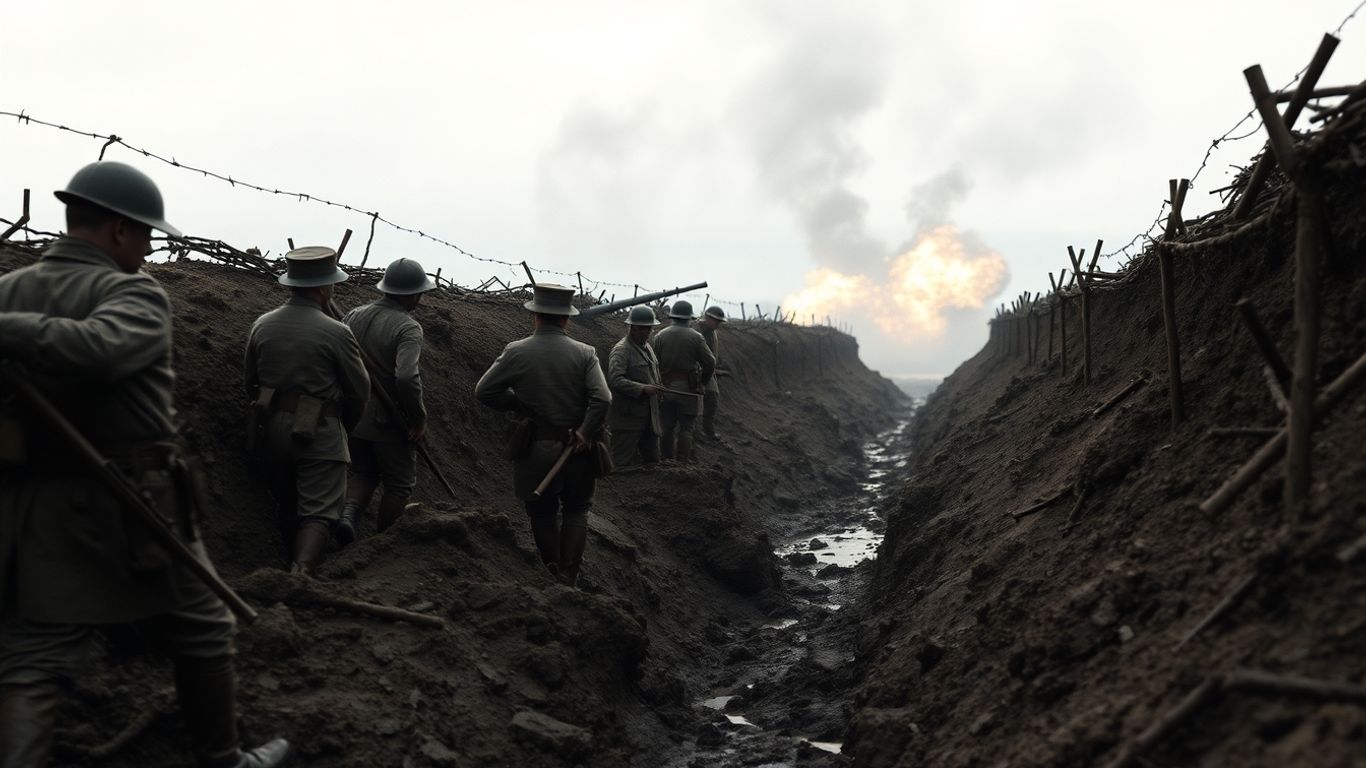
The Battle of Mons in August 1914. It wasn’t exactly a shining moment for the British Expeditionary Force (BEF), more like a desperate scramble. They were up against the massive German army, which was way more prepared for this kind of modern warfare than anyone expected.
The BEF, though outnumbered and outgunned, managed to hold their ground and protect the French flank, which was a pretty big deal. It showed that this new, professional force that had been built up over years could actually stand toe-to-toe with the Germans. It was a fighting retreat, sure, and almost a complete mess, but it proved the BEF’s worth.
Here’s a quick look at the situation:
- British Strength: Around 70,000 soldiers.
- German Strength: Over 150,000 soldiers.
- Outcome: British withdrawal, but they inflicted significant casualties and delayed the German advance.
This battle was a harsh introduction to the realities of World War I. It highlighted the need for better preparation and adaptability in the face of new military technologies and tactics. The BEF’s performance, despite the retreat, was a testament to their training and the vision of those who had worked to build the force.
It really makes you think about how armies prepare for war. The BEF had been reformed to be a quick-deploying, professional force, and Mons was the first real test. They passed, in a way, even though it felt like a loss at the time. It was a critical moment that showed the world what the BEF was capable of, even when things looked bleak.
2. Yom Kippur War
The Yom Kippur War in 1973 was a real eye-opener, showing how different armies can play to their strengths, or sometimes, their weaknesses. On one side, you had Egypt, under Anwar Sadat. He really focused on training his soldiers hard and using a ton of artillery to back them up. They even learned from past Russian tactics about crossing rivers under fire. So, they managed to sneak five divisions across the Suez Canal, where the Israeli defenses were pretty thin – just five battalions. When the Egyptians stormed over, the Israelis kind of panicked.
But then, the Israelis got their nerve back and did something pretty bold: they counterattacked, crossing the canal themselves. Their push into Egypt was tough to stop, but the Egyptians had already dug in on the Sinai side, and they weren’t budging. It basically turned into a slugfest where neither side could really get the upper hand. Eventually, the politicians had to step in and sort things out, leading to a peace deal.
This whole conflict really highlights how armies prepare for specific types of fighting. The Egyptians were ready for a ground assault supported by heavy firepower, and the Israelis were ready for a mobile, aggressive defense. It’s a good reminder that armies tend to fight the kind of war they train for.
The outcome wasn’t a clear victory for either side, but it forced both nations to reconsider their military strategies and paved the way for future diplomatic efforts.
3. 73 Easting
Alright, let’s talk about 73 Easting. This was a battle that happened on February 26, 1991, during Operation Desert Storm. It was a pretty short, but incredibly intense, clash between the U.S. Army’s 2nd Armored Cavalry Regiment and the Iraqi Republican Guard. Think of it as the kind of fast, decisive tank battle the U.S. Army had been training for since World War II.
The main event was a lightning-fast armored engagement in the Kuwaiti desert. Cougar Squadron, part of the 2nd ACR, just swept through the Iraqi lines. It was brutal and efficient. They absolutely wrecked a huge amount of Iraqi equipment – we’re talking over 70 tanks, tons of other armored vehicles, trucks, and even bunkers. It was a real demonstration of American armored superiority at the time.
Here’s a quick look at what happened:
- Objective: Destroy Iraqi forces in the sector and secure the advance.
- Forces Involved: U.S. Army’s 2nd Armored Cavalry Regiment (Cougar Squadron) vs. Iraqi Republican Guard units.
- Outcome: Decisive U.S. victory, heavy Iraqi losses, minimal U.S. casualties.
It’s interesting because even though it was such a stunning tactical victory, it wasn’t strategically decisive in the grand scheme of the war. The coalition forces actually halted their advance shortly after, leaving Saddam Hussein in power. It really highlights how sometimes the battlefield success doesn’t always translate directly into the political goals of a war. It’s a prime example of how the Army prepares for a specific kind of fight, and 73 Easting was that fight for the armored cavalry. You can read more about the legacy of the 2nd Cavalry Regiment and its role in modern warfare.
This battle showed what happens when modern armor meets older tactics. The speed and coordination of the American forces were remarkable, overwhelming the Iraqi defenses before they could really react. It was a moment where decades of doctrine and training paid off in a very visible way on the battlefield.
4. Battle of Shanghai
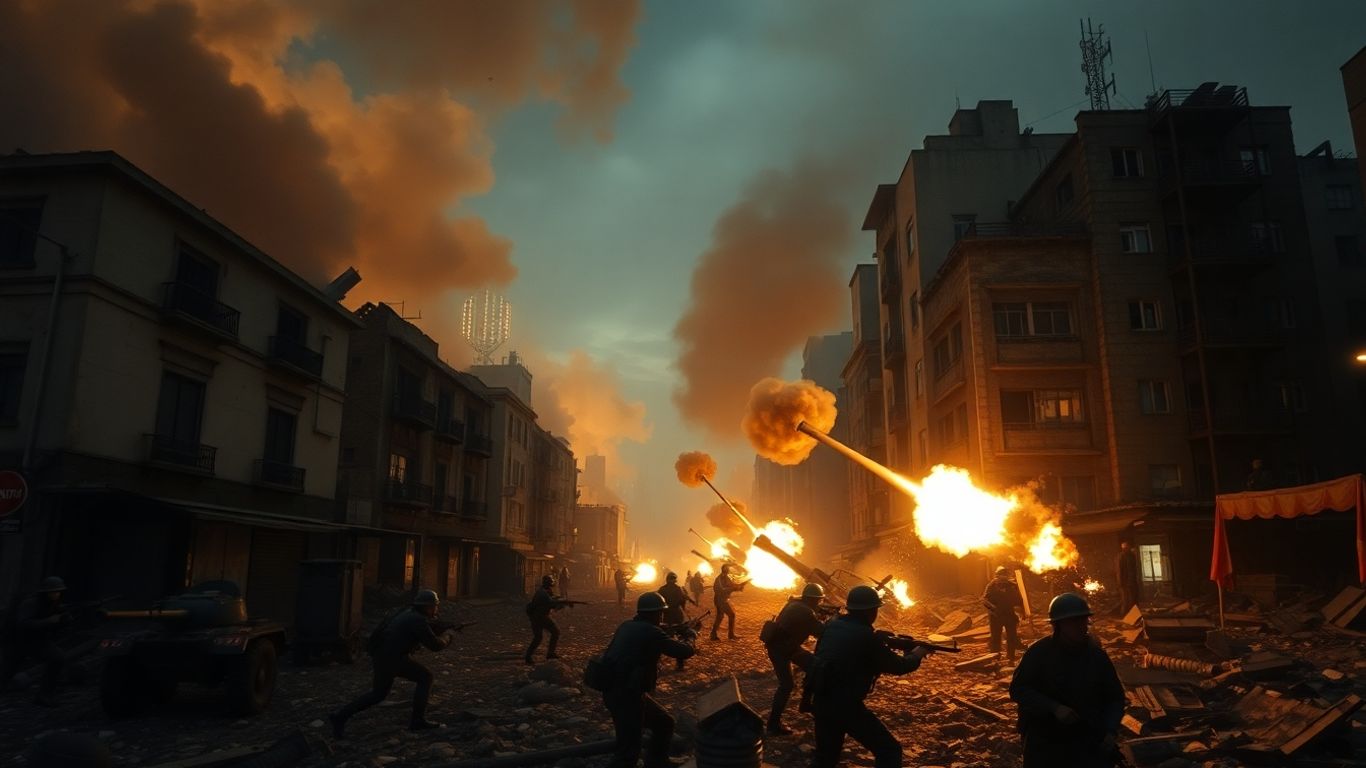
The Battle of Shanghai, kicking off in the fall of 1937, was a messy, unprepared start to a war that neither side was really ready for. It dragged on for four long months. Chiang Kai-shek, the Chinese leader, basically gambled his whole army to try and take control of the city. Even after the element of surprise was gone, they kept throwing wave after wave of troops into the fight, wasting units that had been trained for years by German advisors. The Japanese army, on the other hand, was dealing with its own issues, like budget cuts that left them short on tanks, artillery, and planes, even though they had some. They just didn’t have enough to really seal the deal. Neither side could really overpower the other, leading to a brutal, drawn-out conflict. The Japanese pushed further into China, and the war just got nastier. Ultimately, this battle ended up being a precursor to the destruction of Nanking. It really shows how armies often fight the kind of wars they prepare for, and sometimes that preparation isn’t quite right for the reality of the situation. It’s a stark reminder of the unpredictability of war and how costly unpreparedness can be. The CCP, for instance, has been accused of using parades to push a false narrative about World War II, suggesting their units conserved strength instead of fighting the Japanese directly, which is a different take on China’s role in the war.
5. Byelorussian Campaign
The Byelorussian Campaign of 1944, often called Operation Bagration, was a massive Soviet offensive that pretty much wiped out German Army Group Centre. It’s a prime example of how the Soviets had really figured out this whole ‘deep battle’ concept.
Think about it: the Germans had their Blitzkrieg, which was great for punching holes, but their supply lines were often a mess, relying on horse-drawn carts sometimes. The Soviets, on the other hand, were planning strikes that went way, way deep into enemy territory. They had huge reserves and supply chains ready to go. Plus, their command structure was way more centralized. One Soviet marshal could order hundreds of bombers in minutes, something that took the Allies ages to coordinate.
This campaign wasn’t just about brute force; it was about a sophisticated understanding of logistics and operational art.
Here’s a quick look at the scale:
- Forces Involved: Millions of soldiers on both sides.
- Territory Gained: The Soviets pushed the front line hundreds of miles westward.
- German Losses: Devastating, effectively destroying Army Group Centre.
The sheer scale and success of the Byelorussian Campaign demonstrated a new level of Soviet military capability, fundamentally altering the Eastern Front and paving the way for the eventual defeat of Nazi Germany.
Wrapping It Up
So, we’ve looked at a few big moments in fighting history, from the early days of World War I right up to more recent clashes. What Macgregor seems to be saying is that how you prepare for a fight, and what you expect to happen, really matters. It’s not just about having the latest gear; it’s about understanding how armies work, how they get supplies, and how people make decisions under pressure. These battles show us that war changes, but some basic ideas about planning and fighting stick around. It’s a good reminder that history often has lessons for today, if we’re willing to look.
Frequently Asked Questions
What is the main idea behind Douglas Macgregor’s book?
Douglas Macgregor’s book looks at specific battles to show how they changed the way wars are fought. He believes wars are won or lost based on decisions made long before the fighting starts, not just by new technology or a few brave leaders during a single battle. He stresses the importance of being ready for the next big conflict.
Why is the Battle of Mons considered important?
The Battle of Mons in 1914 showed that the British army, even though it was used to fighting smaller groups, could stand up to a strong, modern German army. It proved that a well-prepared, fast-moving force could hold its ground and protect its allies, which was a big deal at the time.
What did the Yom Kippur War teach us about military strategy?
The Yom Kippur War in 1973 demonstrated how different armies can use their unique strengths. One side focused on careful training and strong defenses, while the other used bold attacks. It shows that even when armies fight to a standstill, it can lead to lasting peace agreements.
How did the Battle of Shanghai differ from other battles mentioned?
The Battle of Shanghai in 1937 was a messy and costly fight where neither side was truly ready. Both armies made big mistakes, throwing troops into battle without a clear plan. It highlights how poorly planned attacks can lead to huge losses and a long, difficult war.
What was significant about the Byelorussian Campaign of 1944?
This campaign showed two different approaches to warfare. The Germans relied on quick attacks but had weak supply lines. The Russians, however, planned for ‘deep battle,’ using large forces and strong support systems to strike deep into enemy territory. Their organized approach and vast resources helped them win.
What was the outcome of the battle at 73 Easting?
The battle at 73 Easting during Operation Desert Storm was a quick and powerful victory for the U.S. Army, destroying many Iraqi tanks and vehicles. However, it wasn’t the end of the war, showing that even a decisive battle doesn’t always mean the overall conflict is over.







Responses