Let Go of Everything and End Your Suffering — The Greatest Lesson of Buddha

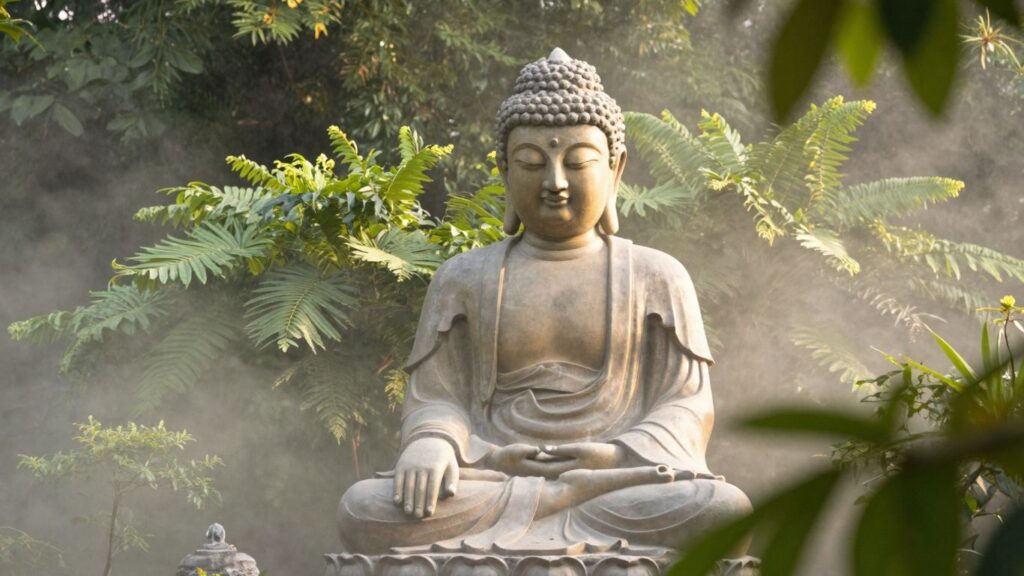
Have you ever felt like you’re holding onto things that are already gone? This video explores Buddha’s profound teaching on letting go, explaining how attachment to what’s impermanent is the root of our suffering and how acceptance can lead to true freedom and inner peace.
The Illusion of Ownership
We often suffer because we believe we own things – people, possessions, even our own bodies. But the truth is, nothing truly belongs to us. Relationships fade, jobs end, and our bodies age. Buddha, along with other wise thinkers like Lao Tzu and Epictetus, taught that this clinging to what is inherently impermanent is the source of our pain. Our suffering doesn’t come from loss itself, but from the mistaken belief that we had something permanent to lose.
Key Takeaways:
- Attachment to impermanent things is the root of suffering.
- True freedom comes from accepting that nothing is permanent.
- Love without possession leads to genuine connection.
- Letting go of the need for control brings inner peace.
Why We Suffer: The Trap of Attachment
We’re taught from a young age to want, desire, and hold onto things. No one teaches us to release or accept endings. But every beginning carries its end, and everything born is already dying. Lao Tzu wisely said, "Hold on to nothing, and nothing can destroy you." This isn’t about becoming cold; it’s about recognizing the illusion of possession. Our pain often explodes when reality clashes with our unspoken expectations – the expectation that things should last, that life should be fair.
Embracing Impermanence for Freedom
Buddha taught that human suffering stems from our desperate need to control the uncontrollable. This craving, or ‘tanha,’ turns every experience into something we want to keep, leading to suffering because the world was never meant to stay static. Everything that comes together will fall apart. The ego wants permanence and security, but reality only recognizes impermanence. Even phrases like "my wife" or "my daughter" reveal an obsession with ownership, when in reality, everyone and everything belongs to the world and has its own destiny.
The Neuroscience of Clinging
Our brains are wired to seek pleasure and repeat good experiences. When something feels good, the brain registers it as something to keep. However, reality doesn’t follow our internal scripts. The more we cling, the more fragile we become, as our peace depends on external, unstable factors. Losing them, or even just their change, causes suffering. This clinging is often mistaken for love, but it’s more akin to imprisonment.
Letting Go: The Path to True Peace
When we accept that nothing belongs to us, we begin to live truly. Epictetus stated, "You begin to live truly only when you accept that nothing belongs to you." This isn’t about being cynical; it’s about being honest. It’s about understanding that possession is a fiction, a myth that collapses when reality intervenes. By letting go of the need to control, we can love more deeply without fear. True peace arises when the need to control ends. The river flows around rocks, the tree bends in the storm – only the human mind suffers by wanting the world to obey its expectations.
The Illusion of Self
We cling not only to external things but also to the idea of ourselves. Our name, our stories, our memories – these are layers, masks built on a self that might not be as solid as we imagine. Buddhist philosopher Nagarjuna called this ‘shunyata,’ or emptiness – not despair, but freedom from a fixed essence. Our suffering often comes not from external events, but from the world contradicting our story about ourselves. When we realize there’s no fixed ‘self’ to protect, there’s nothing to hurt. This is the freedom Nagarjuna spoke of.
The Cycle of Desire
We crave attention, peace, success, love – a constant tug-of-war between desire and exhaustion. We chase satisfaction that vanishes the moment we touch it. As Epicurus said, "Nothing is enough for the man to whom enough is too little." Desire promises relief but delivers dependence. Freedom isn’t found in multiplying possessions but in reducing desires. We are wired to crave, not to be content, which is why the cycle of anticipation, reward, and emptiness repeats endlessly.
Surrendering to Reality
Instead of fighting reality, we can learn to flow with it. Marcus Aurelius advised, "All that is external is smoke blown by the wind." The only fortress is a calm mind, achieved through clarity and wisdom, not apathy. This means caring deeply without clinging, acting fully without expecting. Every disappointment arises from a promise that existed only in our imagination. The world doesn’t owe us fairness or reciprocity. When we stop expecting, we stop suffering. Peace appears when we stop resisting what is.
The Beauty of Impermanence
We spend our lives trying to make things last – love, youth, success. But their impermanence is what makes them beautiful and precious. Endings are not the opposite of beauty; they are part of it. Love is extraordinary because it might not last forever. Moments are cherished because they pass. Loss teaches us how to love without chains. When we understand this, peace comes not from what stays, but from our ability to let go with grace. We learn to dance with change, not fight it.
Living Without Clinging
Detachment isn’t indifference; it’s loving without fear, caring without demand. It means accepting that people, jobs, and possessions are not who we are. Our peace should be rooted in awareness, not in external circumstances. When we stop fighting impermanence, we make peace with existence. We realize that nothing was ever truly ours to defend. This absence of ownership is the presence of freedom. The greatest teachers showed us not how to become gods, but how to become free by refusing to flow against life’s current.
The Power of Letting Go
True peace comes from trust, not control. Life is a river, always flowing. Trying to control it is like trying to hold your breath – eventually, you have to let go. The art of living is about rhythm, about moving with life, not against it. When we stop trying to hold life still, we realize it was never running away; it was waiting for us to stop chasing. Peace is found not in holding on, but in letting go without regret. Every breath, every heartbeat, is all that’s ever been real. When we understand this, we stop fearing loss, change, and even death, realizing they are transformations, not endings.



Responses