Alexandra Breckenridge: Fifteen Years of Craft Before Virgin River

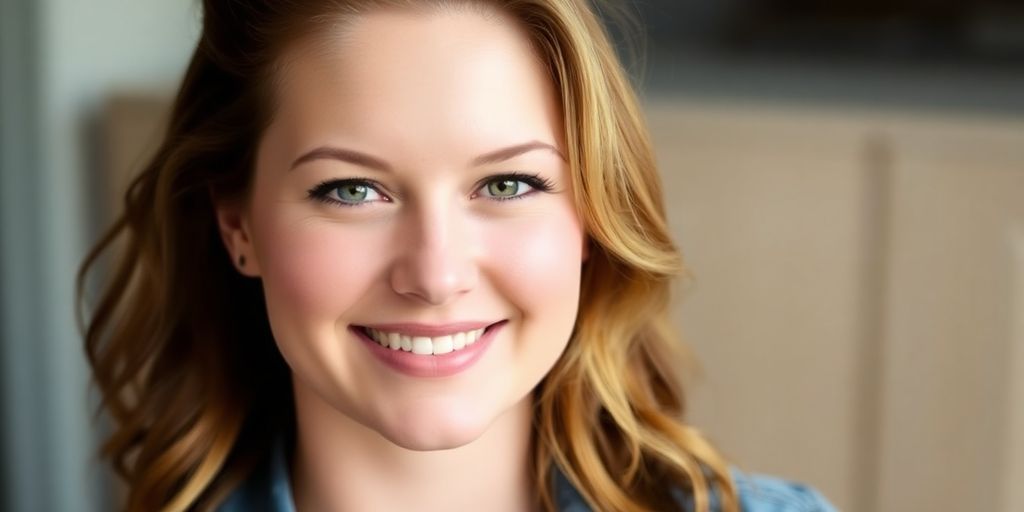
Alexandra Breckenridge built a career through consistent, reliable work across two decades before the role that made her a household name. Born in Darien, Connecticut in 1982 and relocating to California at twelve, she accumulated guest appearances on shows including Dawson’s Creek, Freaks and Geeks, and American Horror Story while developing a parallel career in voice work on Family Guy. The role of Melinda Monroe in Netflix’s Virgin River — now in its sixth season — transformed that solid professional foundation into genuine leading-lady status, demonstrating that careers built on craft rather than overnight stardom tend to arrive at their destination more durably.
- → Breckenridge spent over fifteen years in guest and supporting roles before Virgin River established her as a recognised lead in a major streaming production
- → Her work on American Horror Story across multiple seasons demonstrated a capacity for genre work that distinguishes her from the romantic drama category Virgin River might suggest
- → Voice acting on Family Guy — including character impersonations — added a dimension to her skill set that live-action performance alone would not have developed
- → Virgin River — filmed extensively in British Columbia — became one of Netflix’s most-watched romantic dramas, with Breckenridge’s performance as Mel Monroe central to its sustained audience
- → Her recent move into directing signals an ambition to shape narratives rather than simply inhabit them — a pattern increasingly common among actors who reach career stability
The Foundation: Years of Supporting Work
The trajectory of Breckenridge’s career before Virgin River is instructive. Beginning with independent comedy work in 1999, she accumulated a consistent stream of guest appearances and supporting roles through the 2000s and 2010s — Dawson’s Creek, Freaks and Geeks, She’s the Man, Big Fat Liar. These were not career-defining moments in isolation, but they represented something valuable: continuous professional employment across multiple genres, a growing reputation for reliability and range among casting directors, and the accumulated craft knowledge that only comes from sustained work on set.
The American Horror Story years — she appeared across multiple seasons of Ryan Murphy’s anthology series — added a dimension to her professional profile that would not have been obvious from her earlier work. Horror and psychological drama require a different performance register than romantic comedy: sustained tension, physical commitment, and the ability to maintain character coherence across morally complex material. Her work in that context demonstrated capacities that Virgin River’s genre demands do not fully test, and that continue to make her an interesting performer in a way that a strictly romantic drama career would not.
The careers that sustain themselves through decades tend to be built on this kind of accumulated craft rather than a single breakout moment. The breakout is the recognition; the foundation is what makes it last. Breckenridge spent fifteen years building that foundation before it became visible to the broader audience that Virgin River brought.
Voice Work: A Parallel Discipline
Breckenridge’s voice acting work on Family Guy — where she voiced multiple characters and performed celebrity impersonations including Cybill Shepherd and Christina Aguilera — represents a genuinely separate craft discipline that most actors in her profile category do not develop. Voice performance strips away the physical tools that live-action acting relies on most heavily: expression, gesture, physical presence. What remains is vocal control, comedic timing, and the ability to differentiate characters through sound alone.
The value of this discipline extends into live-action work in ways that are not always immediately visible. Actors with substantial voice work experience tend to develop a more deliberate relationship to vocal rhythm and pitch variation — skills that contribute to the quality of screen dialogue delivery without announcing themselves as a distinct technique. For an actress working across multiple genres and character types, that disciplinary breadth represents a meaningful professional asset.
Virgin River is set in a fictional small Northern California town, but filmed almost entirely in British Columbia — primarily in the Fraser Valley communities of Harrison Mills and Mission. The production generated C$44 million in local economic activity in a single season and became one of the most prominent examples of Hollywood North’s capacity to deliver North American rural settings that California itself cannot provide at comparable cost. For Breckenridge, the production’s multi-season commitment to a single location created the sustained working environment that long-form character development requires — a different professional experience from the guest-appearance years.
Virgin River and What It Represents
The role of Melinda Monroe — a nurse practitioner relocating to rural Northern California after personal loss — gave Breckenridge her first opportunity to develop a character across multiple seasons with a guaranteed audience. The structural difference between guest work and series lead work is significant: a guest role requires immediate establishment and payoff, while a series lead permits gradual development, contradiction, and the kind of nuanced emotional arc that generates genuine audience investment.
Virgin River became one of Netflix’s most consistently watched romantic dramas, and Breckenridge’s performance as its central figure was a primary driver of that retention. The character’s emotional credibility — navigating grief, professional challenge, and romantic complication across six seasons — requires a performance approach more akin to ongoing relationship management than the traditional acting challenge of discrete scenes. That Breckenridge has sustained audience engagement across that duration is a specific professional achievement that her earlier career, however solid, could not have prepared her for in theory — only in practice.
The Move Behind the Camera
Breckenridge’s recent directorial work reflects a pattern common among actors who reach a certain level of career stability: the desire to shape stories rather than simply inhabit them. The shift from performance to direction involves a fundamental reorientation — from embodying a character’s internal experience to managing the totality of a scene’s external construction, including performance, composition, pacing, and the hundred practical decisions that constitute direction.
Her stated interest in stories centred on complex female characters reflects both a personal aesthetic and a market reality: the streaming era has created sustained demand for character-driven drama with strong female leads, and directors who understand that landscape from the inside — as she does, having inhabited it as an actress — have a particular perspective that purely commercial directors lack. Whether that translates into a sustained directorial career remains to be established, but the initial work has been received positively enough to suggest the direction is worth pursuing.
Alexandra Breckenridge’s career is a useful illustration of what sustained professional development across multiple disciplines produces over time: a performer with genuine range, an audience that trusts her across genres, and the craft foundation to hold a major production together across six seasons. Virgin River is the most visible part of that picture, but it is built on fifteen years of work that most of the show’s audience will never investigate. The move into directing suggests she has no intention of limiting herself to the category that current recognition might suggest — which is typically the right instinct at the point in a career where the industry’s definition of an actor and the actor’s own ambitions begin to diverge.







Responses