Description
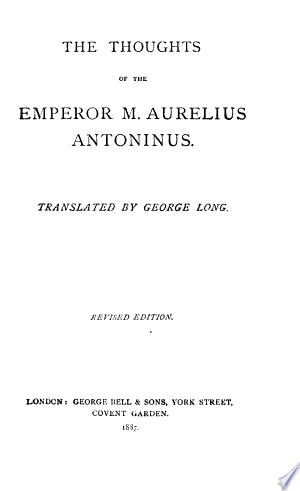
The Thoughts of the Emperor M. Aurelius Antoninus by Marcus Aurelius (Emperor of Rome). Available on Amazon.
- Author: Marcus Aurelius (Emperor of Rome)
- Published: 1887
- Pages: 260
€13.95
The Thoughts of the Emperor M. Aurelius Antoninus by Marcus Aurelius (Emperor of Rome). Available on Amazon.
| Author | Marcus Aurelius (Emperor of Rome) |
|---|
Aggregated insights from reviews and discussions across the web.
Marcus Aurelius's Meditations (also known as 'Thoughts of the Emperor M. Aurelius Antoninus') receives overwhelmingly positive reception across review platforms, with readers praising it as one of the most influential works of spiritual and ethical reflection ever written. The work maintains profound relevance nearly two thousand years after its composition, with reviewers consistently noting its practical wisdom on living meaningfully, developing self-discipline, and maintaining inner peace. On Goodreads, the book holds strong ratings (4.8 out of 5 stars on one edition), with readers appreciating that it was originally a private journal never intended for publication, making its insights feel intimate and authentic.
Reviewers emphasize that this is not abstract philosophy but practical guidance focused on behavior and everyday living. The Roman Stoic approach resonates with modern readers seeking to develop high character, inner strength, and a quiet mind. Multiple reviewers note recurring themes including self-discipline, overcoming fear of death, retreating into rich interior mental life, living according to reason, and avoiding luxury. One Amazon reviewer describes it as a 'common book' for self-reflection following Stoic practices, noting they have read and annotated it multiple times. The work is frequently recommended as essential reading for anyone struggling to reconcile leadership demands with personal integrity and spiritual well-being.
The translation quality significantly impacts reader experience, with Gregory Hays's translation receiving particular praise for its fresh, unencumbered English that vividly conveys the spareness and compression of the original Greek text. Readers appreciate translations that capture Marcus's direct, simple writing style and the personal nature of his philosophical musings. The book's structure as a series of spiritual exercises filled with practical guidance makes it accessible for both ordinary readers and those studying philosophy, with many treating it as a daily companion rather than a one-time read.



Reviews
There are no reviews yet.