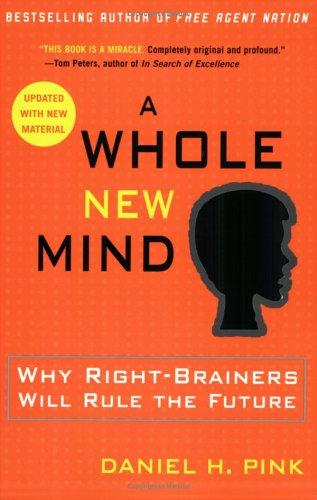
A Whole New Mind

By Daniel H. Pink (2005)

Specs

Category: Tag:

Additional information

Author

Daniel H. Pink

Reviews

There are no reviews yet.

Be the first to review “A Whole New Mind”

Your email address will not be published. Required fields are marked *

Summary

What the internet says

Aggregated insights from reviews and discussions across the web.

Overall reception: Mostly positive

A Whole New Mind by Daniel H. Pink (2005) receives generally positive reception online, with readers appreciating its central thesis about the shift from left-brain analytical thinking to right-brain creative thinking in the modern economy. The book maintains a 4.4/5 rating on Goodreads with over 30,000 ratings and similar scores on Amazon. Reviewers consistently praise Pink's accessible writing style, the book's thought-provoking framework about design, story, symphony, empathy, play, and meaning as essential future skills, and the practical exercises included in each chapter's 'Portfolio' section. Many readers found the book encouraging for creative professionals and those in artistic fields, with some noting it helped validate their career choices.
What readers loved

  • Accessible and engaging writing style that makes complex ideas easy to understand
  • Provides practical exercises and resources at the end of each chapter to develop right-brain skills
  • Thought-provoking framework of six essential aptitudes (Design, Story, Symphony, Empathy, Play, Meaning)
  • Validates the importance of creative and artistic thinking in the modern economy
  • Well-researched with diverse examples and anecdotes that illustrate key points
  • Encouraging message for artists, designers, and creative professionals about their future value
  • Quick, breezy read that maintains reader interest throughout

Common critiques

  • Arguments often lack depth and rely heavily on anecdotes rather than rigorous evidence
  • The left-brain vs right-brain metaphor is oversimplified and not fully supported by neuroscience
  • Fails to address historical precedents when right-brain thinking was valued (Renaissance, various art movements)
  • The 'Asia' section comes across as poorly developed and potentially problematic in framing outsourcing
  • Doesn't adequately explain why creative jobs won't also be outsourced or automated
  • Some readers felt the book was dated even shortly after publication, with ideas becoming 'table stakes' rather than groundbreaking
Last updated April 28, 2026 Summary based on publicly available reviews. May not reflect every reader's experience.