Why the West is Losing the War for Ukraine

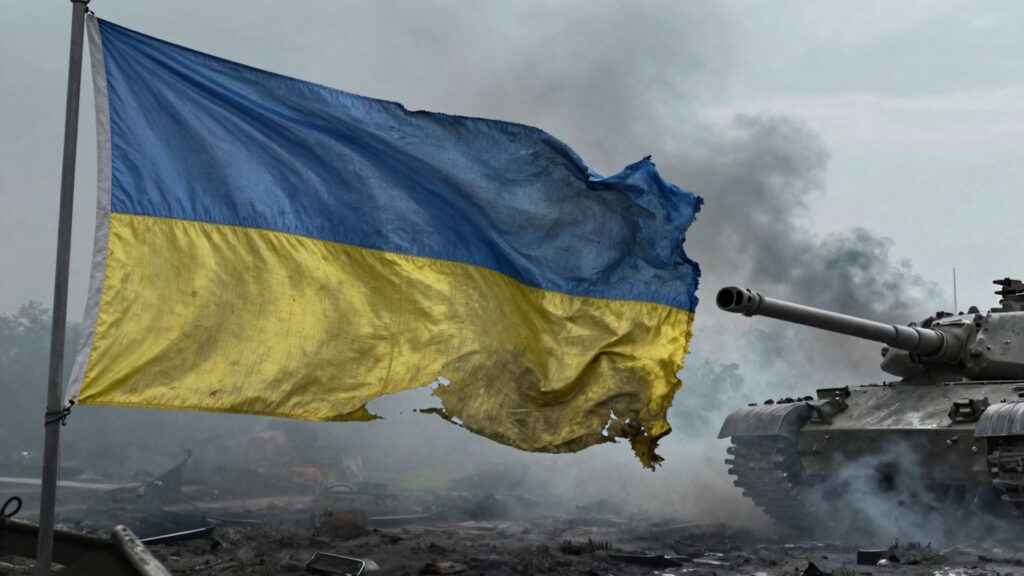
The ongoing conflict in Ukraine is a complex war of attrition, and Russia is betting that time is on their side. They believe Ukraine might "crack" under the pressure of sustained fighting. However, this isn’t the time for the West to back down or seek a quick, unfavorable deal. Pushing for the best possible outcome, rather than settling for a bad one, is the rational approach.
Key Takeaways
- War of Attrition: The conflict is fundamentally a war of attrition, meaning the side with more resources, manpower, and the ability to sustain combat over time is likely to prevail.
- Manpower is Key: While money and equipment are important, they are insufficient without sufficient trained manpower on the ground.
- Russian Industrial Capacity: Russia has significantly increased its military production and can further scale up if needed, viewing the conflict as existential.
- Western Industrial Capacity: Western nations have not mobilized their industrial capacity to the same extent, as the conflict is not perceived as existential by their populations.
- Tactical Successes vs. Strategic Outcome: Ukraine can achieve tactical victories, but these often don’t change the overall strategic direction of the war due to Russia’s superior manpower and resources.
- The "Best Deal" Argument: Advocating for the "best deal" now is flawed because it doesn’t account for the realities of attrition and Russia’s long-term strategy.
The Fundamentals of Attrition Warfare
Many in the West seem to miss a fundamental point: this is a war of attrition. While tactical events are important, the higher-level dynamics of war are what truly matter. Some argue that simply providing more money to Ukraine will change everything, but this overlooks the most critical factor: manpower. You can pour money into Ukraine, but without enough trained soldiers equipped to fight, it won’t make a difference against an opponent with superior numbers and sustained support.
History shows us this time and again. From World War I and II to the Korean and Vietnam Wars, and even the Afghanistan conflict, the side with more men, more supplies, and the greater economic capacity to sustain combat has ultimately prevailed. Political will is also a huge factor. In Vietnam and Afghanistan, the US eventually lacked the will to sustain the fight, even with superior technology, because the cost in casualties and resources became too high relative to the perceived stakes.
Why Western Strategy Falls Short
When figures like John Bolton suggest not taking the "best deal" now, they fail to provide a logical path for how their recommended strategy can succeed. They don’t explain how Ukraine can overcome its manpower limitations or how Western industrial capacity can be ramped up sufficiently and quickly enough to outpace Russia. Russia, viewing this as an existential fight, has already significantly increased its military production and could mobilize even further, shifting its entire economy to wartime production if necessary.
In contrast, Western nations, including the US, do not face an existential threat from this conflict. Their populations are not willing to support the massive industrial overhaul required to match Russia’s potential. While there’s some incremental growth in defense production, it’s not enough to fundamentally alter the war’s trajectory. This incremental approach won’t win a war of attrition; only a significant, conscious decision to scale up production dramatically could, and that’s unlikely without direct Western involvement in the war.
The Dark Side of Prolonging the Conflict
There are those who may even desire the war to expand, pushing the West closer to direct conflict with Russia. This keeps the "gravy train" of military spending rolling for the military-industrial complex. They want to keep the situation tense enough to justify continued spending and involvement, but not so tense that it sparks a direct war with Russia, which could threaten their own businesses and safety. This is a dangerous game, toying with escalation while ordinary people pay the price.
Furthermore, the media often highlights Ukraine’s tactical successes, leading to a false sense of progress. While Ukraine is undoubtedly capable, smart, and skilled, especially with drones, these tactical victories often don’t change the strategic outcome. For instance, a recent drone attack that destroyed Russian vehicles near Pokrovsk was a testament to Ukrainian skill, but it was a tactical success in a battle that Russia is still poised to win. Similarly, Ukraine’s counteroffensive in Kupiansk, while reclaiming some territory, is unlikely to be sustainable. Russia has the manpower to retake lost ground and continue its advance.
Acknowledging Reality for Ukraine's Sake
Pushing for a prolonged conflict based on tactical wins ignores the grim reality of a war of attrition. Ukraine lacks the manpower to sustain these gains or to hold territory long-term. Russia, with its vast reserves, can afford to absorb losses and continue its offensive. The current "ugly deal" on the table, while unappealing, is likely better than what Ukraine might face if the war continues to drag on.
If we truly care about Ukraine and Western security, we must acknowledge the reality on the ground. Continuing down this path will only lead to more pointless sacrifice and the loss of more Ukrainian territory. The only way to avoid a wider conflict, potentially involving nuclear escalation, and to secure a more favorable outcome for Ukraine and the West, is to end this war now. It’s the logical, rational, and moral path forward.




Responses