Europe’s Hegemony Problem: Why the Ukraine War Isn’t Going Away


Recent discussions around ending the Ukraine war highlight a significant roadblock: Europe’s insistence on security guarantees through NATO and the EU, rather than addressing the core issues. This approach, rooted in decades of bloc politics and a desire for hegemony, has led to a persistent conflict. Professor Jeffrey Sachs joins us to break down why Europe seems stuck in a cycle of war and why a different path is needed.
Key Takeaways
- Europe’s current security model is based on bloc politics and a push for hegemony, which has fueled the conflict in Ukraine.
- The US strategy, as outlined by Brzezinski, aimed to integrate Ukraine into Western alliances, a move Russia viewed as an existential threat.
- Internal divisions within Ukraine and a failure to acknowledge Russia’s security concerns have prolonged the war.
- Many European leaders seem disconnected from their publics, pushing a war agenda that doesn’t align with popular desires for peace and stability.
- A genuine European security arrangement requires direct diplomacy with Russia, moving away from bloc politics and Russophobia.
The 30-Year Gambit That Failed
For decades, the West, particularly the US and Europe, has pushed for Ukraine’s integration into NATO and the European Union. This strategy, clearly laid out by Zbigniew Brzezinski in the late 1990s, envisioned a westward expansion that Russia was expected to accept. However, Russia has consistently objected to this, viewing NATO enlargement as a direct threat to its national security. This fundamental disagreement has been a source of tension since Ukraine’s independence in the early 1990s, exacerbated by internal divisions within Ukraine itself.
The US security establishment, initially believing this gambit would be low-cost and painless, has come to realize its failure. The expectation that Russia would back down or collapse has not materialized. Instead, the conflict has escalated, with significant costs for Ukraine. Some in the US, particularly those aligned with Donald Trump, now see the need to cut losses and acknowledge that the Ukraine issue is of existential importance to Russia.
European Leaders' Stance: A Puzzle
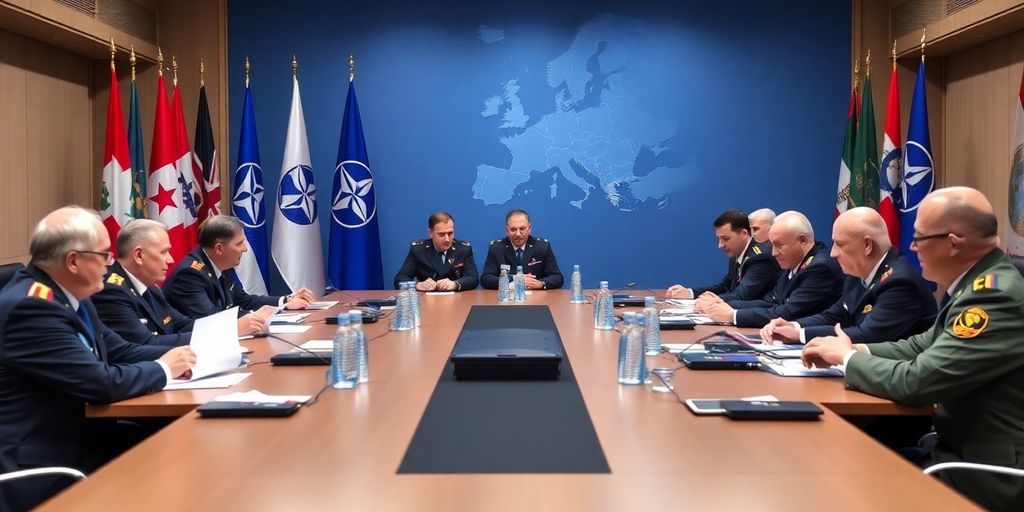
What’s puzzling to many is the continued insistence of certain European leaders – the German, French, and British leadership groups – on prolonging a conflict that has resulted in immense casualties. These leaders often lack strong public backing for their war policies. Their publics, on the other hand, seem more interested in social security, stable living standards, and avoiding further militarization. This disconnect raises questions about the motivations behind the continued push for war.
Is it a matter of political futures tied to a failing project? Are they influenced by the military-industrial complex? Or is there a deeper historical resentment at play, as suggested by some observations about German leadership? Regardless of the reasons, the current path seems to be leading Europe further into a costly and seemingly unwinnable battle.
The Roots of the Conflict: Beyond Ukraine
The conflict in Ukraine is not just about Ukraine; it’s a symptom of a larger issue concerning the European security architecture. The post-Cold War objective of NATO seemed to be establishing collective hegemony in Europe, pushing Russia out of the continent. This unipolar vision, however, is increasingly clashing with the emerging multipolar reality.
Some in the US now believe that these hegemonic aspirations have exhausted the nation and hinder its ability to adapt to a world with multiple power centers. Europe, in this context, is becoming a lower priority for the US, which is looking to focus on other regions like the Western Hemisphere and Asia, particularly in confronting China.
This shift leaves Europe in an uncertain position, without a clear plan for its role in a post-unipolar world. The historical vision of a common European home, based on indivisible security and the end of blocs, has been abandoned. Instead, the continent seems to be drifting towards a security arrangement based on blocks and a growing Russophobia, particularly influenced by some Baltic states.
A Call for Direct Diplomacy
Professor Sachs argues that Europe needs a security arrangement not based on blocs, but on direct diplomacy with Russia. He points out that Russia is an integral part of Europe, geographically, militarily, culturally, and economically. Ignoring this reality and relying on the US to replay Cold War dynamics is a mistake. The US is tired, facing its own economic challenges, and no longer views Russia as a primary global threat.
Europeans need to engage directly with Russia to understand and establish their own indivisible security. This involves moving past prejudices and political posturing to engage in factual diplomacy. The current approach, where European leaders claim to know Russia’s intentions without even attempting dialogue, is a self-fulfilling path to war. As Sachs puts it, if they truly believe Russia poses a threat, the first step should be to sit down with Russian counterparts and ask, "How do we make sure that doesn’t happen?"
The Failure of European Diplomacy
The history of European diplomacy, as highlighted by Professor Sachs, shows a recurring tendency towards conflict and a failure to engage in dialogue. Even when faced with clear risks, there’s a reluctance to confront them realistically. The current situation, where key European figures refuse to engage in direct talks with Russia, is seen as a dangerous path.
Instead of relying on rhetoric and assumptions, Europe needs to actively pursue diplomatic channels. Whether it’s meeting in neutral locations or inviting Russian counterparts to Brussels, the effort to talk and find common ground is paramount. The goal should be to build a security framework based on mutual understanding and respect, rather than on fear and division. This is the only way to achieve lasting peace and security for Europe.


Responses