Can Russia, China, and Iran Really Build a United Eurasian Bloc?

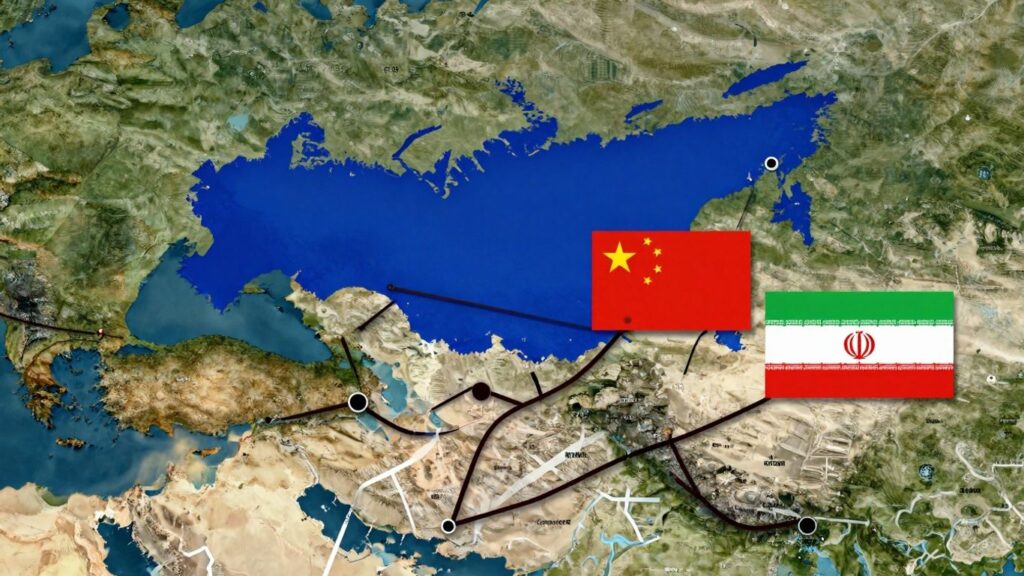
This video explores the potential for Russia, China, and Iran to form a unified Eurasian bloc that could challenge American naval influence and potentially lead to prosperity across the continent. However, it also highlights significant historical and geographical hurdles that might prevent such an alliance.
Key Takeaways
- Historical conflicts and geopolitical tensions between Russia, China, and Iran pose a challenge to forming a unified bloc.
- Each nation has its own distinct trade initiatives (China’s Belt and Road, Russia’s North-South Corridor, Iran’s trade routes), which may not easily align.
- A major question is who would lead this bloc and whose currency would become the standard if they were to succeed.
The Dream of a Eurasian Block
The idea is that Russia and China could team up to create a Eurasian bloc. The thinking is that this could really push back against American naval power. If that happened, the whole Eurasian continent might see some good times and prosper. It sounds like a big deal, right?
History and Geography Get in the Way
But, and this is a pretty big ‘but’, we can’t forget about geography and history. They tend to stick around and cause problems. Russia, China, and Iran have a long history of fighting with each other. There have been lots of tensions between them over the years, both geographically and politically. So, it’s not really clear how easily they could sort out all those old conflicts.
Competing Trade Routes
Think about it: China is putting a ton of money and effort into its Belt and Road Initiative. That’s a massive project. Meanwhile, Russia has its own thing going on with the North-South Corridor. And Iran? They’ve got their own plans for trade routes too. So, you’ve got these three big players, each with their own major trade ideas. It makes you wonder how they’d all fit together.
Who's in Charge?
This brings up the main question. If these three countries actually managed to come together and work as a team, who would be the boss? Who would be the top dog in this new Eurasian bloc? And if they were going to trade and work together on a large scale, whose money would become the main currency? It’s a lot to think about, and the answers aren’t exactly simple.



Responses