Are US/Russian Negotiations a Waste of Time? Dr. Gilbert Doctorow Weighs In

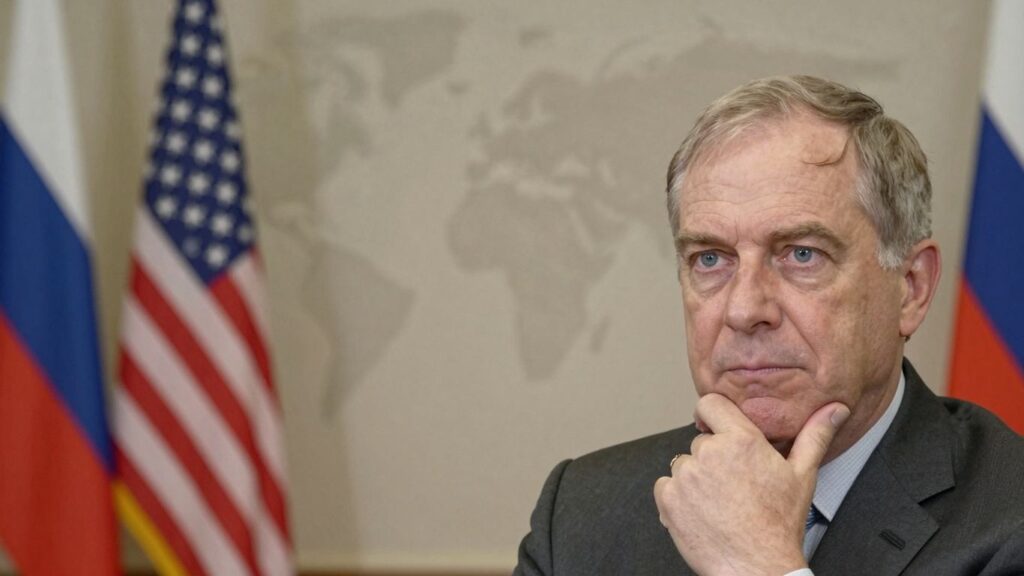
This week, we’re diving into a pressing question: are the ongoing peace talks between the US and Russia actually going anywhere? Dr. Gilbert Doctorow joined us to share his insights on the complex dynamics at play, offering a perspective that challenges conventional thinking.
Key Takeaways
- Trump’s Strategy: President Trump appears to be prioritizing a separation between Russia and China, aiming to prevent their alliance from strengthening.
- Putin’s Hopes: Despite public statements, President Putin may still hold out hope for a personal understanding with Donald Trump.
- Rubio’s Role: Secretary of State Mike Pompeo’s absence from a key NATO meeting signals Trump’s desire to keep him away from potential "conspiracies" that could derail peace efforts with Russia.
- Putin’s Warning: President Putin issued a stark warning to the West, suggesting any conflict initiated by NATO would be swift and decisive, unlike the current situation in Ukraine.
- European Desperation: European leaders are reportedly exploring ways to use frozen Russian assets to fund Ukraine, potentially bypassing taxpayer awareness and facing financial risks.
The Trump-Putin Dynamic
Dr. Doctorow suggests that President Putin might have high hopes for reaching some kind of understanding with Donald Trump. Even though Trump’s public statements might seem to push back against Russia, Putin might believe these are just political maneuvers to appease his domestic and international critics. The core of Trump’s strategy, according to Doctorow, seems to be separating Russia from China. This is seen as a way to prevent their alliance from growing closer, especially given past US sanctions and the placement of missiles and allies around Russia’s borders, which made Russia feel nervous and pushed them toward China.
Trump’s actions regarding Russia are considered a top priority, distinct from his policies in other regions like the Middle East or Latin America, which are described as more aggressive.
Secretary of State Rubio’s Absence
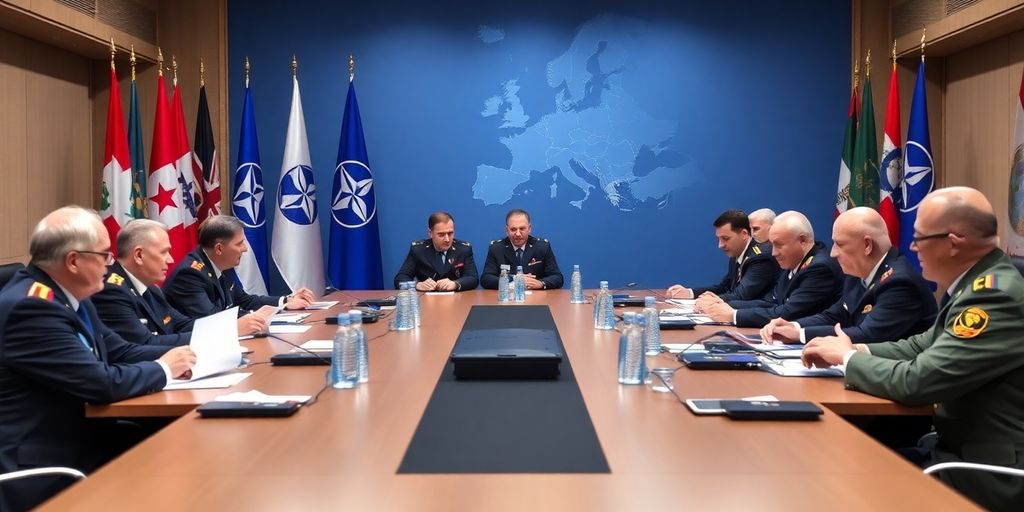
A notable point discussed was the absence of Secretary of State Mike Pompeo from a NATO foreign ministers’ meeting in Brussels. Dr. Doctorow explains that this wasn’t an oversight. It’s believed to be President Trump’s deliberate move to keep Pompeo away from NATO allies, fearing that Pompeo might conspire with them to create further problems for Trump’s peace initiatives with Russia. This situation raises questions about who is truly setting US foreign policy – the confirmed Secretary of State or an informal advisor like Steve Witkoff, a former business partner of Trump.
Witkoff’s role is reportedly focused on the Middle East and Russia, areas considered most important for Trump’s foreign policy. The dynamic suggests that Pompeo might be on his way out, trying not to publicly upset Trump. The presence of Jared Kushner at meetings in Geneva is also seen as a way for Trump to monitor Pompeo’s actions and prevent him from undermining Trump’s plans.
Putin’s Stark Warning to Europe
President Putin’s recent statements have been described as a dramatic shift in tone. He declared that Russia is not planning to go to war with Europe, but if Europe starts one, Russia is ready. He emphasized that such a conflict would not be like the situation in Ukraine, implying a much faster and more decisive outcome. This statement comes amid Russian discussions about a potential military confrontation initiated by NATO countries.
Putin’s warning is seen as a response to the desperate efforts by some European nations to unfreeze Russian assets and use them to finance Ukraine. There are also hints of a potential "Berlin showdown," possibly involving Lithuania halting ground transportation links between mainland Russia and its Kaliningrad enclave. Putin is forewarning the West that Russia will react, and crucially, he stated that any war with NATO would not be a long one and would not be fought in the trenches like in Ukraine. This suggests a more aggressive approach, potentially involving nuclear weapons, if Russia feels directly threatened.
European Financial Maneuvers
The discussion also touched upon Europe’s efforts to find funds for Ukraine, particularly concerning frozen Russian assets. It’s reported that European leaders are trying to use these assets to provide financial aid to Ukraine without directly involving European taxpayers. However, the European Central Bank has stated it will not back these actions, meaning if loans default, European countries would have to cover the costs from their own budgets.
This situation could lead to significant financial strain on European nations, and potentially legal consequences for the leaders involved. The French constitution, which grants President Macron significant power, is mentioned as a factor that might allow him to proceed with such financial decisions without parliamentary approval, even with low approval ratings. The complexity of these financial and political maneuvers highlights the high stakes involved in the ongoing conflict and the international response.


Responses