Overlanding in Sardinia: A Guide to the Island’s Wild Interior

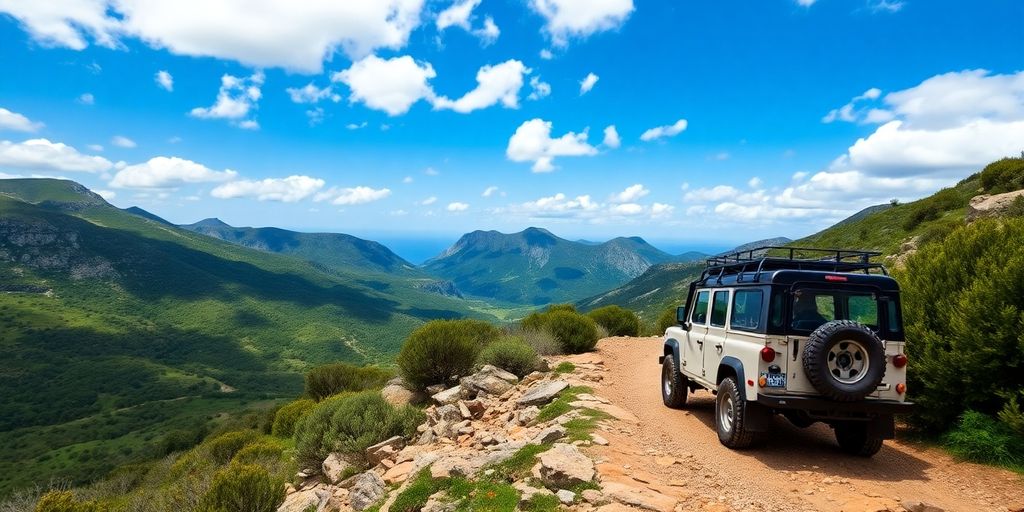
Sardinia is the kind of place that rewards people who come prepared to move slowly and off-road. The island’s tourist infrastructure is oriented toward its famous coastline — the Costa Smeralda, Alghero, the white-sand beaches of the south — but the interior is a different country entirely: high granite plateaus, dense macchia scrubland, Bronze Age stone towers, and mountain villages where Nuragic culture still shapes daily life. For overlanders, the combination of varied terrain, genuine remoteness, relatively developed emergency infrastructure, and exceptional food and wine makes Sardinia one of Europe’s best destinations for vehicle-based adventure travel.
- → May and September are the optimal months — mild temperatures, low crowds, green vegetation, and trails that are passable but not dust-dry
- → The Supramonte and Gennargentu massifs offer the most challenging terrain — limestone gorges, river crossings, and trails requiring high ground clearance
- → Over 7,000 Nuraghe towers are scattered across the island — the highest concentration of Bronze Age megalithic structures in the world
- → Wild camping is technically restricted but widely practiced in designated natural areas — a grey zone that requires judgment and Leave No Trace discipline
- → The island’s cuisine — pecorino, porceddu (roast suckling pig), bottarga, Cannonau wine — is one of Europe’s most distinctive and should be a deliberate part of any itinerary
The Terrain: What to Expect
Sardinia is topographically varied enough to sustain weeks of overlanding without repeating scenery. The island divides roughly into three zones for overland purposes.
The Supramonte and Barbagia interior. The hardest terrain on the island. Limestone karst plateaus, steep-sided gorges (Gorropu, one of Europe’s deepest canyons, is here), dense holm oak forest, and river crossings that are passable in spring and summer but require care. This is where you will encounter the genuine remoteness of Sardinia — villages where Italian is a second language, mouflon sheep on ridge lines, and roads that have not been improved since Roman times. A proper 4×4 with high ground clearance and a recovery kit is not optional here.
The Gennargentu massif. Higher altitude, more exposed, more demanding. The Gennargentu National Park limits some access points but protects an exceptional environment — golden eagles, Sardinian deer, rare endemic plant species. The tracks here require experience and a well-prepared vehicle. The reward is genuine alpine scenery and near-total solitude, even in summer.
The northern granite landscape (Gallura). Lower elevation, more forest, characterised by the dramatic pink granite formations of the Limbara mountains and the approach routes to the Costa Smeralda coast. More accessible terrain, good for a mixed itinerary that combines off-road capability with coastal access. This is where Monti del Limbara sits — dense cork oak and pine forest, cool even in summer, with well-maintained but genuinely off-road tracks.
For the Supramonte and Gennargentu, minimum requirements are: high ground clearance (200mm+), all-terrain tyres, recovery gear (winch or traction boards, tow strap, shovel), extra fuel capacity for 400+ km range, offline GPS maps (iOverlander and Wikiloc have good Sardinia coverage), and a working knowledge of tyre repair. A second vehicle is strongly advised for the most remote sections — mobile coverage disappears entirely in the Barbagia interior.
Timing Your Visit
The optimal window for overlanding Sardinia is May–June and September–October. Spring brings wildflowers, full rivers, green vegetation, and cool mountain temperatures. Early autumn has the same temperance with the added advantage of harvested vineyards and active local food festivals. July and August are manageable on the coast but brutal in the interior — temperatures in the Barbagia regularly exceed 38°C, fire risk is high, and roads that are stone-dry can be dangerously slippery with loose gravel. Winter (November–March) brings rainfall, occasional snow at altitude, and flooded river crossings that close many interior routes.
Overlanding in Sardinia is not just about the terrain — it is about what you find between the difficult sections: a village square where someone presses a glass of local Cannonau into your hand, an unmarked Bronze Age tower visible from a ridge, a shepherd’s track that opens unexpectedly onto a view of the coast. The best routes are the ones that make room for all of it.
The Nuraghe: Sardinia’s Unique Historical Landscape
No overlanding itinerary in Sardinia should ignore the Nuragic civilisation. Over 7,000 Nuraghe towers — conical stone structures built without mortar between 1700 and 900 BC — are distributed across the island, a density of prehistoric architecture found nowhere else on earth. The most famous, Su Nuraxi di Barumini (UNESCO World Heritage Site), is a complex village structure around a central tower. But most Nuraghe are unmarked, untouristy, and accessible only by tracks — making them a natural discovery for overlanders who leave the main roads.
The Sardinian Bronze Age civilisation that built these structures remains poorly understood; their language was never fully deciphered, and the function of many Nuraghe is still debated. What is clear is that the island was densely inhabited, technologically sophisticated, and engaged in Mediterranean trade networks well before Greek and Roman contact. Encountering these structures in the landscape — often on ridgelines with clear sightlines in all directions — is one of overlanding Sardinia’s genuinely rare experiences.
Sustainable Practice on the Island
Sardinia’s natural environments are protected under a combination of national park regulations, regional laws, and EU habitat directives. Wild camping is technically prohibited in most protected areas and on most beaches, but is widely tolerated in practice for low-impact travellers — a grey zone that requires judgment. The practical standard is: no fires (fire risk is existential on this island — thousands of hectares burn every year), no waste left behind, no damage to vegetation, and respectful engagement with any private land boundaries.
The villages of the Barbagia are economically fragile communities that benefit directly from travellers who stop, spend, and engage rather than pass through. Eating at local agriturismi (farm restaurants), buying from village markets, and attending local festivals — the Carnival of Oristano, the horse festivals of the Sartiglia — are contributions to communities that have maintained their culture and traditions under considerable economic pressure.
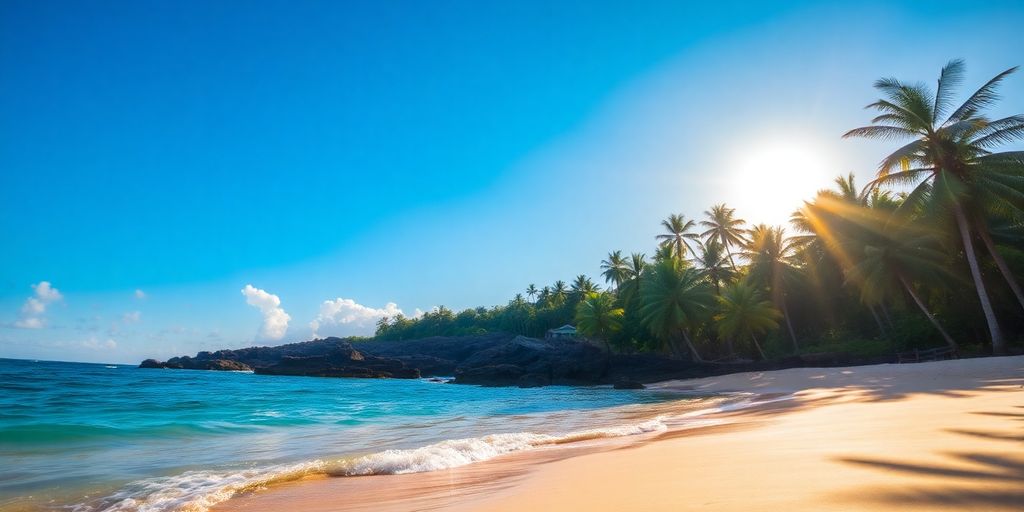
Sardinia punches well above its weight as an overland destination. It has genuine technical terrain in the Supramonte and Gennargentu, a historical landscape of extraordinary density and strangeness, a coastline that remains one of the Mediterranean’s most beautiful despite heavy tourism pressure, and a food and wine culture that makes the evenings as rewarding as the days. The island is small enough to navigate in two weeks but rich enough to reward a month. Come in May or September, bring a properly prepared vehicle, and leave the itinerary loose enough for the inevitable detours — they are almost always the best part.


Responses